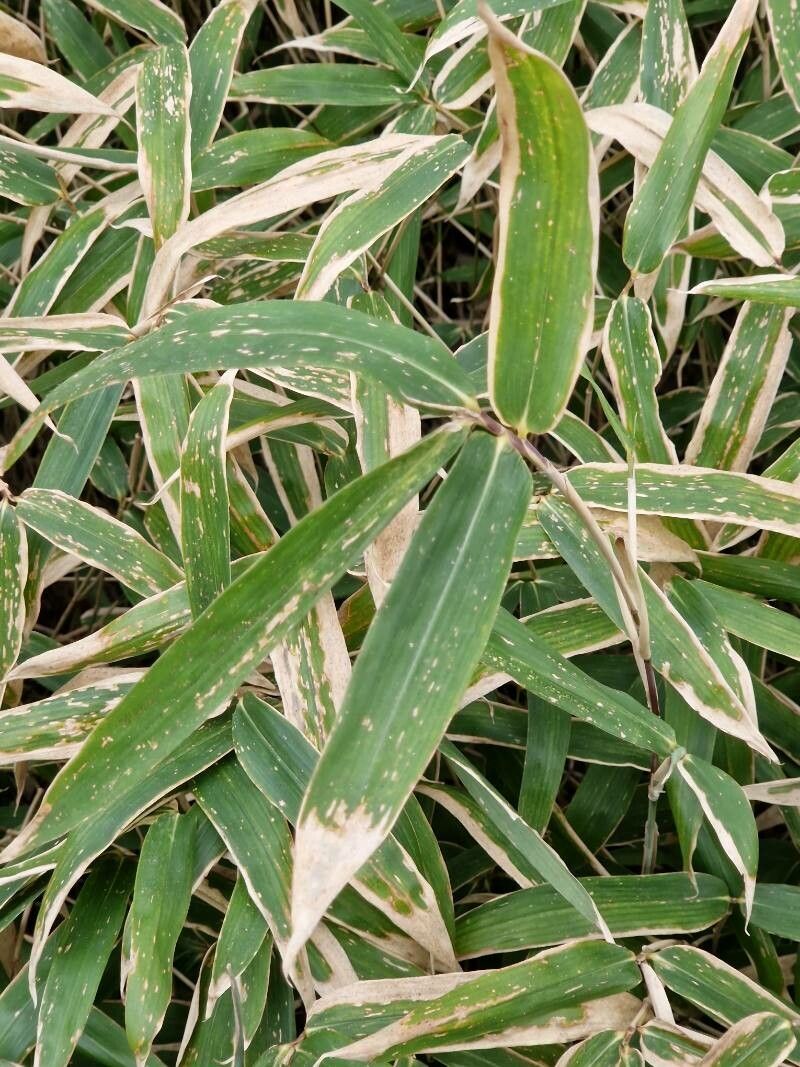
Hello fellow plant lovers! It’s so wonderful to have you join me today for a chat about one of my absolute favorite bamboos: Pleioblastus viridistriatus, often called the “Green Stripe Bamboo.” If you’ve ever admired its vibrant, variegated foliage, with cheerful yellow stripes against a lush green background, you’re in good company. This compact beauty is like a ray of sunshine for any shady corner of your garden or patio. And the best part? Propagating it is not only entirely achievable but incredibly rewarding. For those just dipping their toes into plant propagation, I’m happy to report that Pleioblastus viridistriatus is generally quite forgiving and beginner-friendly. You can absolutely do this!
The Best Time to Start
When it comes to giving your new baby bamboos the best start in life, timing is everything. The sweet spot for propagating Pleioblastus viridistriatus is during its active growing season. I find that late spring or early summer, after the last frost has passed and the plant is really putting on new growth, is ideal. You’re looking for shoots that are at least a few inches long and feel firm, not floppy. This is when the plant has plenty of energy to dedicate to those new roots.
Supplies You’ll Need
Let’s get our toolkit ready! Having the right supplies makes all the difference.
- Sharp Pruning Shears or a Clean Knife: For taking clean cuts.
- Well-Draining Potting Mix: I like a blend of peat moss, perlite, and a bit of compost. You can also find specialized bamboo or general potting mixes that work well.
- Small Pots or Seedling Trays: Clean ones are a must!
- Rooting Hormone (Optional but Recommended): A powdered or gel form helps speed things up.
- Plastic Bag or Clear Dome: To create a humid microclimate.
- Watering Can or Spray Bottle: For gentle watering.
- Gloves (Optional): If you prefer to keep your hands clean!
Propagation Methods
There are a couple of wonderful ways to propagate Pleioblastus viridistriatus, and I personally lean towards division for its simplicity and effectiveness, but stem cuttings are also quite successful.
Method 1: Division (My Go-To!)
This is by far the easiest and most successful method for Pleioblastus viridistriatus. When your bamboo starts to look a bit crowded in its pot, or when you’re transplanting it, you’ve got an opportunity to multiply your plants.
- Gently Remove the Plant: Carefully take your Pleioblastus viridistriatus out of its pot. If it’s in the ground, loosen the soil around the root ball.
- Loosen the Roots: Gently shake off some of the excess soil. You’ll see that bamboos tend to grow in clumps.
- Divide the Clumps: Using your hands or a trowel, carefully pull or cut the root ball into smaller sections. Each section should have healthy roots and at least one or two visible shoots. Don’t worry if you damage a few roots; the plant is tough!
- Pot Up New Divisions: Plant each division in its own pot filled with your well-draining potting mix. Make sure the top of the root ball is just below the soil surface.
- Water Gently: Water thoroughly but gently, ensuring the soil is moist throughout.
Method 2: Stem Cuttings
This method requires a bit more patience but can be very rewarding.
- Take Your Cuttings: Select healthy, vigorous new shoots that are about 6-8 inches long. Use your clean shears to make a cut just below a node (that little bump where a leaf emerges). A node is where the roots will form.
- Prepare the Cuttings: Remove the lower leaves, leaving only a couple of leaves at the very top. This prevents them from rotting in the soil or water. If the remaining leaves are quite large, you can even snip them in half to reduce water loss.
- Apply Rooting Hormone (Optional): Dip the cut end of the stem into the rooting hormone powder or gel according to the product instructions.
- Plant Your Cuttings:
- In Potting Mix: Fill small pots with your damp, well-draining mix. Make a small hole with a pencil and insert the cutting, ensuring at least one node is buried underground. Firm the soil around it.
- In Water: Place your cuttings in a clear jar or vase filled with clean water. Make sure the nodes are submerged, but absolutely no leaves should touch the water.
- Create Humidity: Cover the pots with a plastic bag or a clear dome, or place the jar of cuttings in a humid spot. Ensure there’s some airflow to prevent mold.
The “Secret Sauce” (Pro Tips)
Here are a couple of little tricks I’ve picked up over the years that really boost success rates:
- Use Bottom Heat: For stem cuttings, especially, placing the pots on a seedling heat mat makes a world of difference. Bamboo roots love warmth, and bottom heat encourages faster and more robust root development. You’ll see roots form much quicker this way.
- Don’t Overwater Those Cuttings: It’s a common mistake to think more water means more roots. With stem cuttings, consistently moist soil is key, but not soggy. Soggy conditions are a fast track to rot. If you’re using the water method, change the water every few days to keep it fresh.
Aftercare & Troubleshooting
Once your Pleioblastus viridistriatus has rooted, it’s time to care for your new little bamboo!
- Watering: Once roots have formed (you’ll see new growth or feel resistance when you tug gently), start watering as you would a mature plant. Keep the soil consistently moist but not waterlogged. They love a good drink, especially in dry weather.
- Sunlight: Place your newly propagated plants in bright, indirect light. As they get stronger, you can gradually introduce them to more sun, depending on your climate. Pleioblastus viridistriatus generally prefers partial shade.
- Repotting: Once your divisions or cuttings have established a good root system and are showing vigorous new shoots, you can transplant them into larger pots or their final garden location.
The most common issue you might encounter is rot, especially with stem cuttings. This usually happens from overwatering or poor drainage. If you see your cutting turning mushy and black, it’s likely succumbed to rot. Don’t be discouraged! Just start again, paying close attention to your watering and soil. Another sign of failure might be a cutting that simply refuses to root after a long time – sometimes, they just don’t take, and that’s okay.
A Encouraging Closing
See? Propagating Pleioblastus viridistriatus is really a journey of patience and observation. Whether you’re dividing a clump or nurturing a tiny cutting, each success is a small victory. Enjoy the process, learn from any setbacks, and soon you’ll be surrounded by even more of this delightful green-striped bamboo. Happy propagating!
Resource: