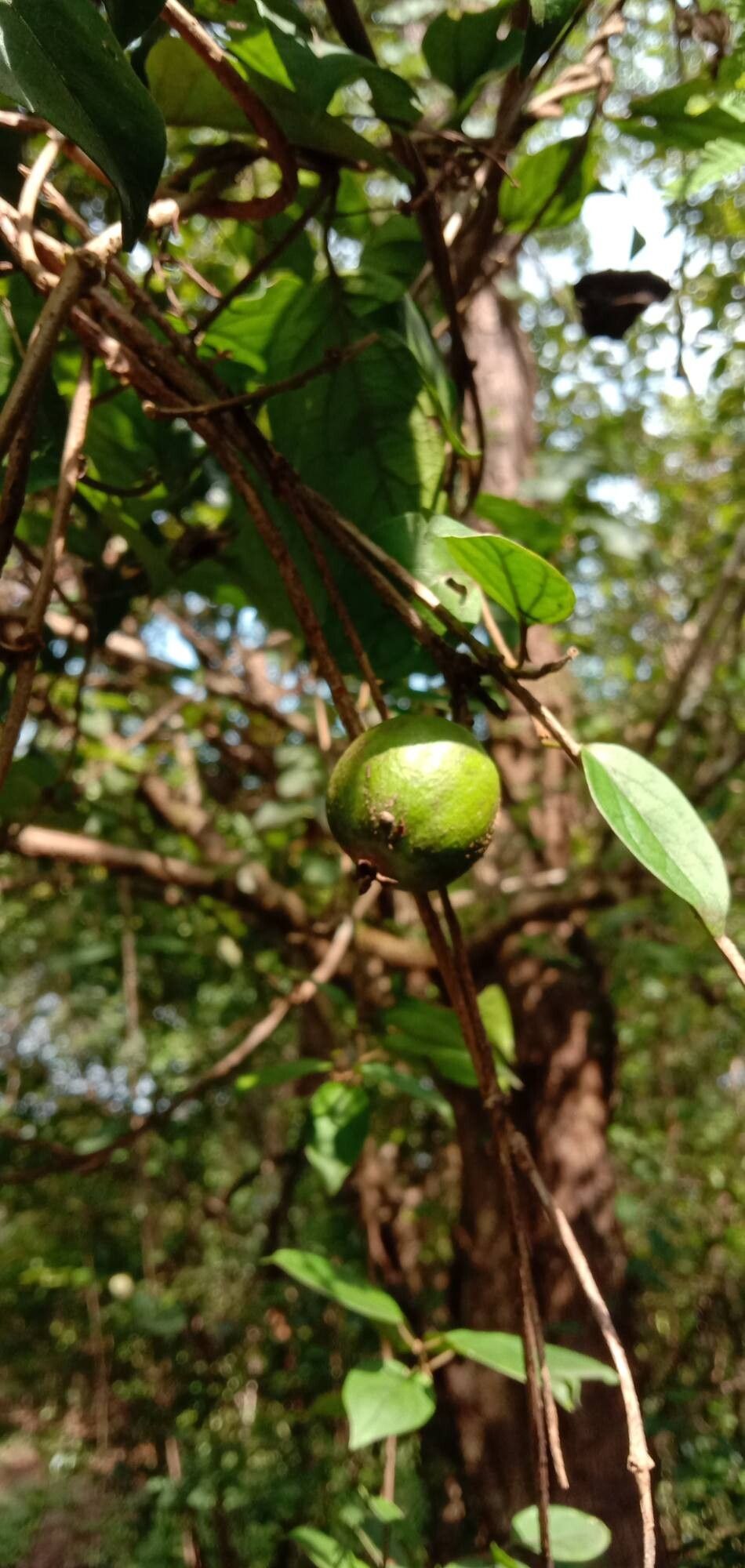
Hello there, fellow plant lovers! Today, we’re diving into the wonderful world of propagating Catunaregam spinosa, also known as the Madras Thorn or Karanda. If you’ve ever admired its delicate white flowers and the promise of sweet, tangy fruit, you’re in luck. Growing more of these beauties from your existing plants is a truly satisfying endeavor. Now, is it a beginner plant? I’d say it’s moderately easy, but with a little know-how, even new gardeners can achieve success.
The Best Time to Start
For the highest success rate, I always like to propagate Catunaregam spinosa during its active growing season. This typically falls in the late spring or early summer. You want to pick healthy, vigorous stems that aren’t too old or woody, but also not brand new, tender shoots. Think of it as hitting that sweet spot where the plant is putting on growth, but the stems have a bit of substance.
Supplies You’ll Need
Here’s what I usually gather before I begin:
- Sharp pruning shears or a clean knife: For taking clean cuts.
- Rooting hormone (optional but highly recommended): I like to use a powder or gel.
- Well-draining potting mix: A blend of equal parts peat moss, perlite, and coarse sand works wonders. You can also buy specialized cactus or succulent mixes.
- Small pots or trays: Clean containers are a must to prevent disease.
- Plastic bags or propagation domes: To create a humid environment.
- Watering can or spray bottle: For gentle watering.
- Labels: For remembering what you’ve propagated and when!
Propagation Methods: Let’s Get Growing!
There are a couple of ways to multiply your Catunaregam spinosa. I find stem cuttings to be the most reliable.
Stem Cuttings:
- Select your stems: Look for healthy, semi-hardwood stems that are about 4-6 inches long. They should be firm but with a little bit of flexibility.
- Make the cut: Using your clean shears or knife, make a clean cut just below a leaf node. This is where new roots are most likely to form. Remove any flowers or developing fruit from the stem.
- Prepare the cutting: Strip off the lower leaves, leaving only 2-3 at the very top. This helps the plant conserve energy and prevents leaves from rotting in the soil.
- Apply rooting hormone: Dip the cut end of the stem into your rooting hormone, tapping off any excess.
- Plant the cutting: Make a hole in your prepared potting mix with a pencil or your finger. Gently insert the cutting, ensuring the leaf nodes are buried in the soil. Firm the soil around the base of the cutting.
- Create humidity: Water the soil gently. Then, cover the pot with a clear plastic bag or a propagation dome. Make sure the plastic doesn’t touch the leaves. You can use stakes to hold it up.
- Place in bright, indirect light: Find a warm spot that gets plenty of bright light but avoids direct sun, which can scorch the young cuttings.
The “Secret Sauce” (Pro Tips!)
Here are a few things I’ve learned over the years that can really boost your success:
- Bottom Heat is Your Friend: Catunaregam spinosa loves warmth. Placing your pots on a heat mat designed for propagation can significantly speed up root development. It mimics the warmth of the soil in their natural environment.
- Don’t Overwater, But Keep it Humid: This is a delicate balance. You want the soil to be consistently moist but not waterlogged. Mist the leaves inside the humidity dome occasionally, but check the soil moisture by finger test before watering.
- Patience is Key with Rooting Hormone: While rooting hormone is great, don’t be tempted to check for roots too early! Give them at least 4-6 weeks before you gently tug on a cutting to see if it’s resisting.
Aftercare & Troubleshooting
Once your cuttings have developed a good root system (you might see them peeking out of the drainage holes or feel resistance when you gently tug), it’s time to treat them like a young plant.
- Acclimate slowly: Gradually remove the plastic bag or dome over a week or so to help the plant adjust to normal humidity.
- Watering: Water when the top inch of soil feels dry. They still appreciate consistent moisture but good drainage.
- Light: Continue to provide bright, indirect light. As they get a bit bigger, they can handle a little more direct sun, but always harden them off first.
Common signs of failure: If your cuttings turn black and mushy, that’s usually a sign of rot, often caused by overwatering or poor drainage. Discard any affected cuttings and ensure your mix is well-draining for future attempts. If a cutting simply shrivels up and doesn’t root, it might not have gotten enough humidity or warmth, or it was simply a weak cutting to begin with.
Finally, Breathe Easy!
Propagating plants is an adventure, and there’s always a learning curve. Don’t get discouraged if your first few attempts aren’t perfect. Celebrate every success, learn from any setbacks, and enjoy the process of creating new life from something you already cherish. Happy growing!
Resource:
https://identify.plantnet.org/k-world-flora/species/Catunaregam%20spinosa%20(Thunb.)%20Tirveng./data