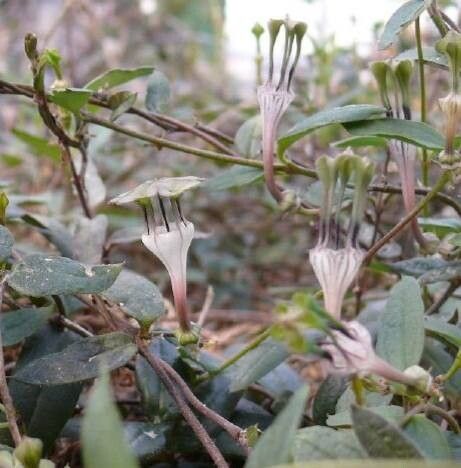
Oh, hello there! Grab a mug, make yourself cozy. Today, we’re diving into the wonderful world of Ceropegia rendallii, sometimes called the String of Hearts. If you’ve ever laid eyes on this beauty, with its charming heart-shaped leaves strung along delicate vines, you already know why it’s so special. It’s like a little botanical jewel, isn’t it?
Propagating it is a truly rewarding experience. Watching a tiny cutting transform into a lush, cascading plant is pure magic. And the good news? Ceropegia rendallii is a pretty forgiving plant when it comes to propagation, making it a joy even for those just dipping their toes into plant parenthood. You’ll be amazed at how easily you can fill your home with these delightful strings.
The Best Time to Start
For the highest success rate with your Ceropegia rendallii cuttings, Spring and early Summer are your best friends. This is when the plant is actively growing and has plenty of energy to put into rooting. You’ll find cuttings taken during this time root much faster and more reliably than those taken when the plant is dormant or stressed. Think of it as giving your new babies the sunniest, most energetic start you possibly can.
Supplies You’ll Need
Here’s a little list of what you’ll want to have on hand to get started:
- Sharp pruning shears or a clean craft knife: For taking clean cuts.
- Well-draining potting mix: A cactus or succulent mix is ideal. You can also create your own by mixing potting soil with perlite or pumice in a 1:1 ratio.
- Small pots or seed trays: For your cuttings to root in. Make sure they have drainage holes!
- Rooting hormone (optional but helpful): This isn’t strictly necessary, but it can give your cuttings an extra boost.
- Watering can or spray bottle: For gently watering your cuttings.
- A clear plastic bag or humidity dome (optional): To create a mini-greenhouse effect.
Propagation Methods
We’ll focus on the two easiest and most successful ways to propagate Ceropegia rendallii:
Stem Cuttings
This is my go-to method for these charming vines.
- Select a healthy stem: Look for a mature stem that has several sets of leaves.
- Make the cut: Using your clean shears or knife, cut a section of stem about 4-6 inches long. Make the cut just below a leaf node (where a leaf attaches to the stem). This node is where roots are most likely to form.
- Remove lower leaves: Gently strip off the leaves from the bottom 2 inches of the cutting. This prevents them from rotting in the soil.
- Let it callous: This is a crucial step! Leave the cutting in a dry, airy place for 2-3 days. This allows the cut end to dry out and form a protective callus. This dramatically reduces the risk of rot.
- Apply rooting hormone (optional): If you’re using it, dip the calloused end into the rooting hormone powder. Tap off any excess.
- Plant the cutting: Fill a small pot with your well-draining mix. Make a small hole in the center and insert the calloused end of the cutting into the soil, ensuring the leaf nodes are buried. Gently firm the soil around the cutting.
- Water gently: Lightly water the soil. You want it to be moist, not soggy.
Water Propagation (for experienced growers!)
While some can get this to work, I find stem cuttings in soil generally more reliable for Ceropegia rendallii. But, if you’re curious:
- Follow steps 1-3 above.
- Place in water: Instead of letting it callous, place the cutting in a small jar or glass of room-temperature water. The key here is to ensure no leaves are submerged. Only the cut stem should be touching the water.
- Change water regularly: Refresh the water every few days to keep it clean and oxygenated.
- Wait for roots: You should start to see tiny white roots forming from the nodes. This can take a few weeks.
- Plant in soil: Once the roots are about an inch long, carefully transplant the cutting into a pot with well-draining soil, just as you would with a stem cutting.
The “Secret Sauce” (Pro Tips)
Here are a few little tricks I’ve picked up over the years that can make a big difference:
- Bottom Heat is Your Friend: If you have a seedling heat mat, placing your pots on it can really speed up root development. It mimics the warmth of spring soil and gives those roots a much-needed cozy environment to grow in.
- Don’t Drown Them: This is the most common mistake with cuttings. Ceropegia rendallii loves to dry out a bit between waterings. Overwatering is the quickest way to invite rot. Feel the soil; if it feels moist an inch down, hold off on watering.
- Patience, Grasshopper: Sometimes, cuttings can look like they’re doing nothing for weeks. Don’t give up! As long as the leaves are still green and firm, there’s hope. I’ve had cuttings take a surprising amount of time to show signs of life.
Aftercare & Troubleshooting
Once you see new growth or feel a gentle tug when you lightly wiggle your cutting, you’ve got roots! This is cause for celebration!
- Continue light watering: Keep the soil lightly moist. As the plant grows, you can gradually increase watering frequency, always allowing the soil to dry out slightly between waterings.
- Bright, indirect light: Place your new plant in a bright spot, but avoid direct, harsh sunlight, which can scorch young leaves. A sunny windowsill that doesn’t get direct sun for most of the day is perfect.
- Repotting: When your cutting outgrows its small pot, usually after a few months, you can repot it into a slightly larger container with fresh, well-draining soil.
Signs of Failure: The most common issue is rot. If your cutting turns mushy, black, or smells funky, it’s likely rotted. This is usually due to overwatering or not allowing the cutting to callous properly. If you see this, unfortunately, it’s best to discard the cutting and start again, keeping these tips in mind. Yellowing leaves that aren’t a sign of natural aging can also indicate stress, often from too much or too little water.
A Encouraging Closing
See? Not so scary, is it? Propagating Ceropegia rendallii is a delightful journey. Embrace the process, be patient, and don’t be afraid to try again if your first attempt isn’t perfect. Every plant is a chance to learn and grow alongside it. Happy propagating, and enjoy watching your new little heartstrings thrive!
Resource:
https://identify.plantnet.org/k-world-flora/species/Ceropegia%20rendallii%20N.E.Br./data