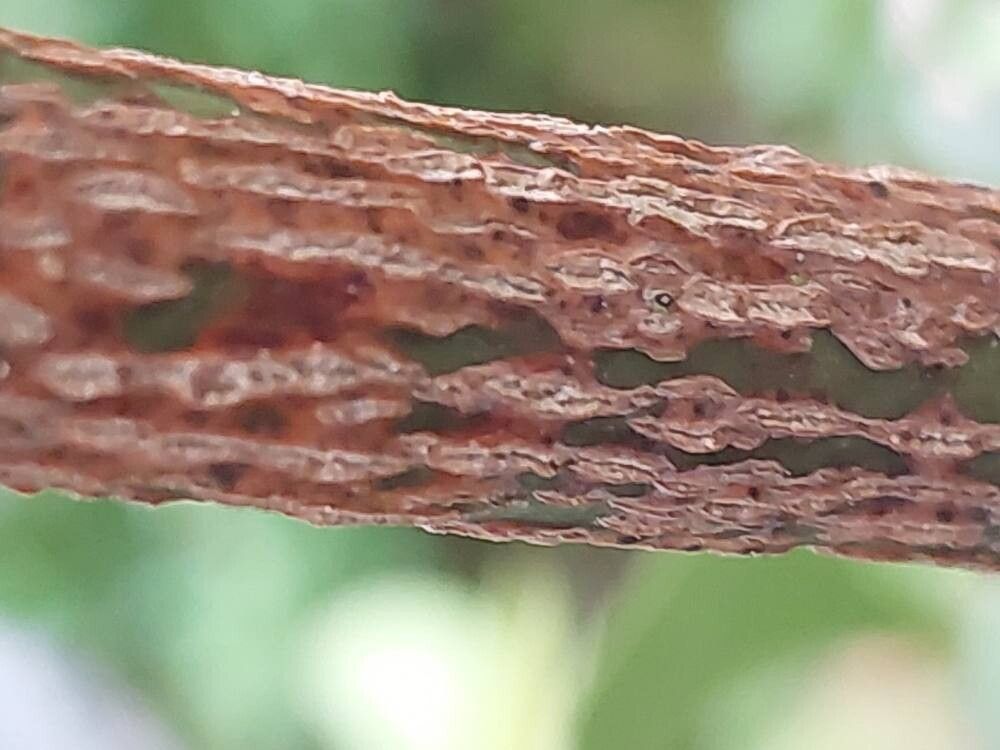
Hello, fellow plant enthusiasts! I’m so excited to talk to you today about a truly special vine: Stauntonia latifolia, also known as the evergreen sweet-Scented Akebia. If you’re looking for a plant that offers beautiful, glossy, hand-shaped leaves, charming spring flowers with a delightful vanilla fragrance, and the bonus of edible fruit (in some varieties!), then Stauntonia is a wonderful choice. And the even better news? Propagating it is incredibly rewarding and, dare I say, quite manageable, not too daunting for even those new to the propagation game. It’s like giving the gift of your favorite plant to yourself, or to a friend!
The Best Time to Start
My experience tells me that late spring to early summer, right after the plant has finished its main flush of growth, is your prime window. You want to catch that vibrant, vigorous energy. By this time, the stems should be firming up but still have a bit of flexibility. Attempting it too early, when everything is still soft and tender, can lead to more failures. Wait for that sweet spot!
Supplies You’ll Need
- Sharp Pruning Shears or a Craft Knife: Cleanliness is key here to prevent disease.
- Rooting Hormone: A powdered or gel form works well. It’s not strictly essential for Stauntonia, but it does give your cuttings a helpful boost.
- Well-Draining Potting Mix: I like a blend of perlite, peat moss, and a little bit of sharp sand. You can also buy a commercial seed-starting or propagation mix.
- Small Pots or Seed Trays: Whatever you have that’s clean and has drainage holes.
- Plastic Bags or a Propagator Lid: To maintain humidity.
- Watering Can or Spray Bottle: For gentle watering.
- Newspaper or a Tray: To catch any stray soil or rooting hormone.
Propagation Methods
Let’s dive into how we can coax new life from your Stauntonia. Stem cuttings are the most reliable method for me.
Stem Cuttings:
- Select Your Cuttings: Look for healthy, semi-ripe stems. These are stems that have grown this season, are no longer floppy and green, but haven’t fully hardened into woody growth. Aim for pieces about 4-6 inches long.
- Make Your Cut: Using your clean shears or knife, take your cuttings from just below a leaf node. A node is where a leaf attaches to the stem. This is where roots tend to form more readily. Remove any lower leaves that might sit below the soil line once you pot them. You can leave a couple of leaves at the top. If these leaves are very large, you can even cut them in half to reduce water loss.
- Apply Rooting Hormone: Dip the cut end of the stem into your rooting hormone. Tap off any excess.
- Plant Your Cuttings: Fill your pots or trays with your prepared potting mix. Make a small hole with your finger or a pencil and gently insert the cutting. Firm the soil gently around the base of the cutting to ensure good contact.
- Water Gently: Water the soil thoroughly until it starts to drain from the bottom.
- Create a Humid Environment: This is crucial! Place a plastic bag over the pots, securing it with a rubber band, or use a propagator lid. Make sure the bag doesn’t touch the leaves too much. You can prop it up with small stakes if needed. Place the pots in a bright spot, but out of direct sunlight.
The “Secret Sauce”
Here are a couple of things I’ve learned that really make a difference:
- Bottom Heat is Your Friend: While not absolutely essential, placing your pots on a heated propagator mat can significantly speed up root development. It mimics the warmth of spring soil and encourages those roots to get going.
- Clean Everything, Always: I cannot stress this enough. Dirty tools can introduce fungal diseases, and diseases love to feast on vulnerable cuttings. A quick wipe with rubbing alcohol on your shears before each use is a good habit.
- Don’t Disturb Too Soon: Resist the urge to pull and tug at your cuttings to see if they’ve rooted. Patience is a virtue here. You’ll know they’re ready when you see new leafy growth appearing, usually a good sign the roots are establishing well.
Aftercare & Troubleshooting
Once you see new growth and feel some gentle resistance when you very carefully tug on a cutting, it’s time to give them a little more air. Gradually remove the plastic bag or propagator lid over a few days to let them acclimate to normal room humidity. Continue to water them, keeping the soil consistently moist but not waterlogged. When they have a good root system and are actively growing, you can pot them up into their own individual, slightly larger pots.
The most common sign of failure is rot, where the cutting turns mushy and black. This is usually due to too much moisture and not enough air circulation. If you see this, unfortunately, that cutting is likely lost. It’s why that well-draining mix and humidity control are so important. Another sign is if the cuttings simply shrivel up and dry out – this means the humidity wasn’t high enough, or they were placed in too much sun. Don’t get discouraged if not every single cutting takes; it’s a numbers game, and you might need to try a few times.
A Encouraging Closing
Remember, gardening is a journey, and propagation is one of its most magical parts. Don’t be afraid to experiment and learn from each attempt. With a little patience and these tips, you’ll soon be enjoying the satisfaction of your own propagated Stauntonia latifolia. Happy planting!
Resource: