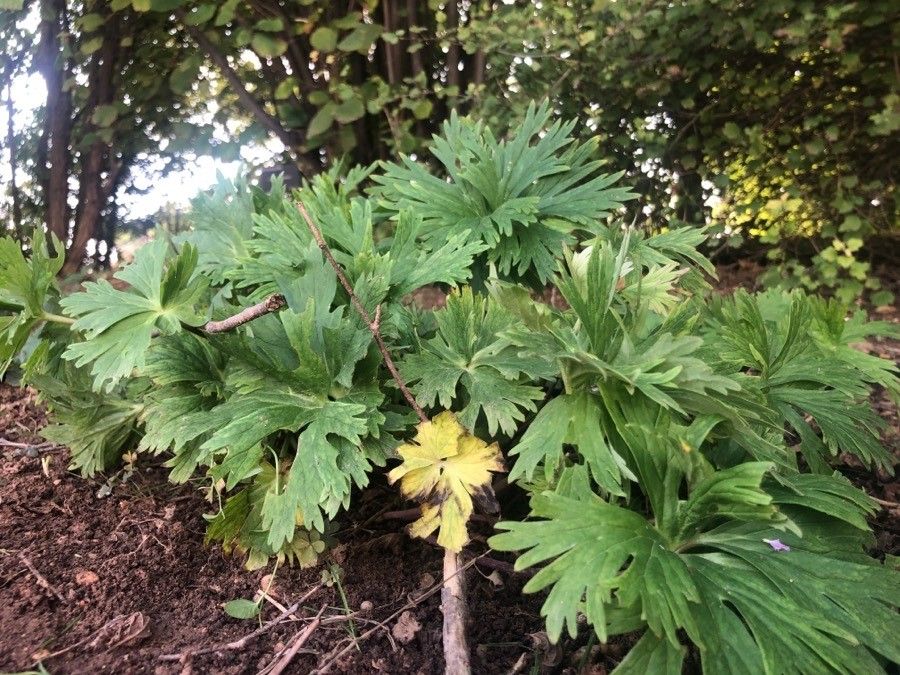
Oh, Delphinium bolosii! If you’ve ever seen those ethereal, sky-blue spires gracing a garden, you know exactly why I’m so passionate about them. They bring this wonderful sense of grace and height, like little pieces of the heavens dropped into our beds. And sharing that beauty by propagating them yourself? Pure garden joy. Now, while Delphinium bolosii might sound a bit fancy, for those of us with a bit of patience, it’s not nearly as daunting as you might think. It’s a lovely way to fill your garden or share these beauties with friends.
The Best Time to Start
The sweet spot for propagating Delphinium bolosii is really early spring. Think of it as when the plant itself is waking up from its winter nap and getting ready to put on a show. This is when the new growth is vigorous and a little more adaptable to taking the leap into a new life. Another good time, though slightly trickier, is in late summer or early autumn, right after the main flowering flush. You’re looking for that strong, healthy growth that hasn’t yet gone into full dormancy.
Supplies You’ll Need
Let’s get our toolkit ready! You won’t need anything too exotic, just the usual suspects you probably have lurking in the shed:
- Sharp Pruning Shears or a Craft Knife: Cleanliness is key here.
- Rooting Hormone: A little boost never hurts! I prefer the powder form, but liquid works too.
- Well-Draining Potting Mix: A mix of perlite, vermiculite, and peat moss is my go-to. About a 1:1:1 ratio works wonders. Or, a good quality seed starting mix will do in a pinch.
- Small Pots or Seed Trays: Ensure they have drainage holes.
- Clear Plastic Bag or Propagator Lid: To create a humid environment.
- Labels and a Marker: Don’t forget to name your little ones!
- Watering Can or Mister: For gentle hydration.
Propagation Methods
I find stem cuttings to be the most reliable method for Delphinium bolosii. It’s like giving a healthy branch a chance to start its own family.
Stem Cuttings:
- Take Your Cuttings: In early spring, locate the new, non-flowering shoots coming from the base of your established plant. They should be about 4-6 inches long and feel firm but not woody. Using your sharp shears, make a clean cut just below a leaf node. This is the little bump where a leaf attaches to the stem – it’s full of growth potential!
- Prepare the Cuttings: Gently remove the lower leaves from the cutting, leaving just a few at the top. If the leaves are quite large, I’ll sometimes cut them in half horizontally to reduce water loss. This helps the cutting conserve energy.
- Dip in Rooting Hormone: Lightly moisten the cut end of the stem and then dip it into your rooting hormone, tapping off any excess.
- Pot Them Up: Fill your small pots with your prepared, moistened potting mix. Make a small hole in the center with your finger or a pencil.
- Insert the Cuttings: Firmly insert the hormone-coated end of the cutting into the hole, ensuring that at least one leaf node is buried beneath the soil surface. Gently firm the soil around the cutting to keep it upright.
- Create a Humid Environment: Water the cuttings gently after potting. Then, cover the pots with a clear plastic bag (making sure it doesn’t touch the leaves) or place them in a propagator with the lid on. This humidity is crucial for them to develop roots.
- Place in a Warm, Bright Spot: Find a location that receives bright, indirect light. Avoid direct sun, which can scorch the little cuttings. A warm spot, perhaps near a radiator, is ideal.
The “Secret Sauce” (Pro Tips)
Here are a couple of things I’ve learned over the years that can really make a difference:
- Bottom Heat is Your Friend: If you have a heated propagator or a gentle heat mat, using bottom heat can significantly speed up root development. It mimics the warmth of the soil on a sunny spring day.
- Don’t Overwater, but Keep it Consistently Moist: This is a tricky balance! The soil should never be soggy, as this is a surefire way to invite rot. However, it shouldn’t dry out completely either. I often check by gently poking a finger into the soil. If it feels dry an inch down, it’s time for a very light watering or misting.
- Patience with the Leaves: When using the baggie method, watch for condensation. If the inside of the bag is dripping heavily, I’ll sometimes lift the bag for an hour to let it air out a bit, just to prevent fungal issues.
Aftercare & Troubleshooting
Once your cuttings have been in their humid homes for a few weeks, you might start to see tiny signs of new growth. Gently tug on a cutting. If you feel a bit of resistance, it means roots are forming! Once you see good root development, you can start to gradually acclimate them to normal conditions. This means taking the plastic bag off for longer periods each day.
The most common gremlin you’ll encounter is rot. If a cutting turns black and mushy, it’s unfortunately a goner. This usually signals that it’s too wet or not enough air circulation. Don’t be discouraged! Simply remove the affected cutting and check your moisture levels. Sometimes, a cutting just won’t take, and that’s okay. It’s a numbers game, and with Delphinium bolosii, a few failures are often part of the learning process.
A Little Encouraging Word
So there you have it! Propagating these stunning delphiniums is a rewarding endeavor. Be patient with your little cuttings. Gardening is a journey, and this is a lovely part of that unfolding process. Happy propagating, and I can’t wait to hear about your beautiful new blooms!
Resource: