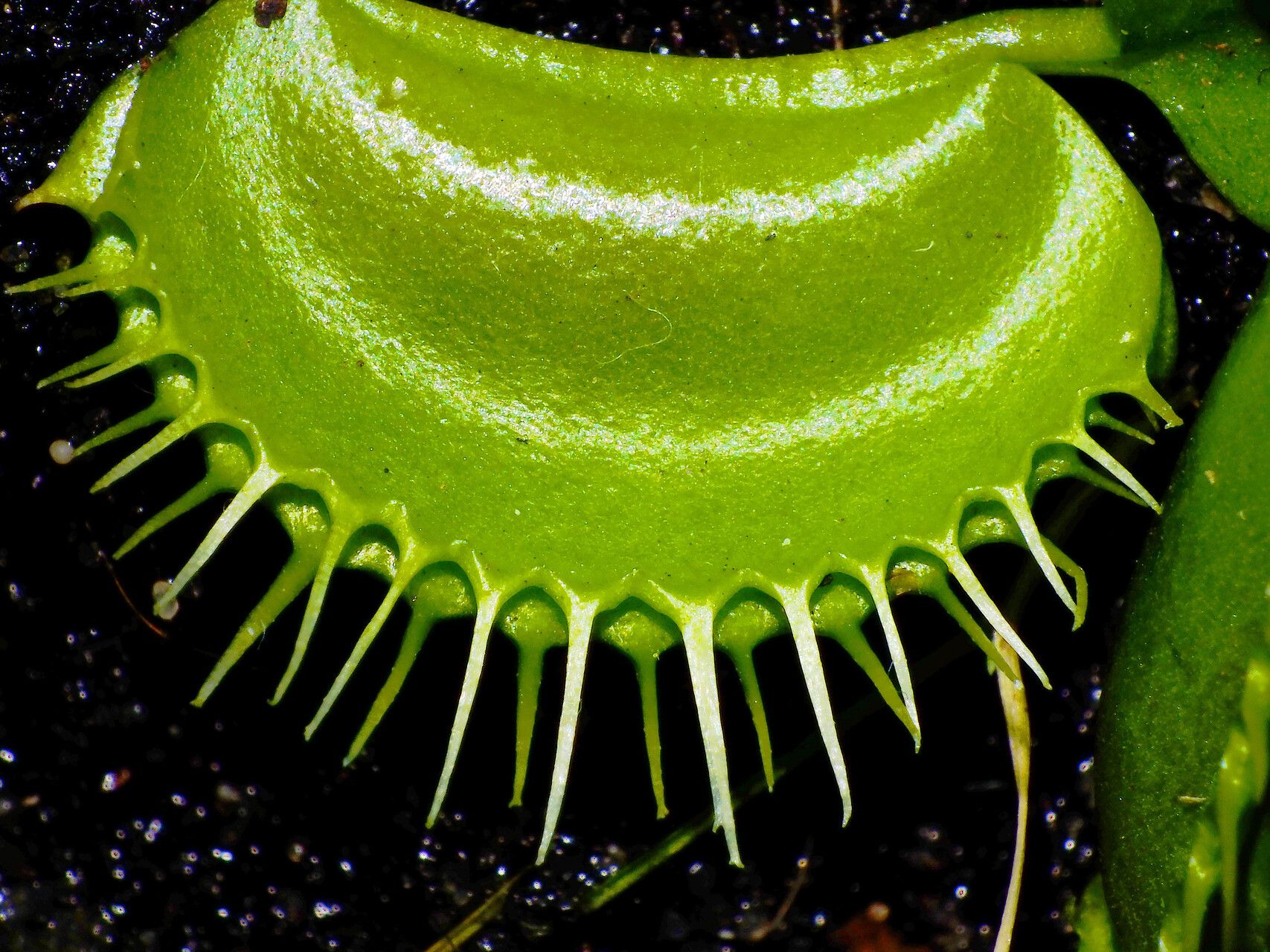
Ah, the Venus flytrap! Isn’t it just the most captivating plant? With those snap-shut traps, it feels like a little piece of prehistoric wonder right there in your home. Plus, who can resist a plant that eats bugs? It’s a thrill to watch them grow, and even more so to create more of them yourself. Propagating Dionaea muscipula, our beloved flytrap, can feel a bit daunting at first, but trust me, it’s absolutely doable. It might not be the easiest plant to start with if you’re brand new to gardening, but with a little care and attention, you’ll be a flytrap propagator in no time.
The Best Time to Start
Hands down, the most successful time to propagate Venus flytraps is when they’re actively growing, usually in late spring or early summer. This is after they’ve come out of their dormancy and are really putting on a show. You’ll see new leaves emerging, and those healthy, robust growth periods are when they have the most energy to dedicate to new ventures. Avoid trying to propagate during their dormant winter months; they need that rest.
Supplies You’ll Need
To give your little flytrap babies the best start, gather these essentials:
- Carnivorous Plant Potting Mix: This is crucial! Regular potting soil will kill them. You want a blend of peat moss and perlite or horticultural sand. Never use soil with added fertilizers. You can often find pre-mixed carnivorous plant soil at garden centers or online.
- Sharp, Clean Pruning Shears or a Craft Knife: For making clean cuts. Sterilize them with rubbing alcohol between uses to prevent any disease transmission.
- Small Pots or Seedling Trays: Clean, shallow containers are best. They don’t need much depth initially.
- Distilled Water or Rainwater: Tap water contains minerals that are harmful to flytraps. Always use pure water.
- Optional: Rooting Hormone Powder: While not strictly necessary for flytraps, it can sometimes give cuttings a little boost.
- Optional: Heating Mat: This can speed up root development.
Propagation Methods
There are a few ways to go about this, but for Venus flytraps, division and leaf cuttings are generally the most reliable.
Division: The Natural Approach
This is probably the easiest and most natural way to get more plants. Flytraps tend to form “offsets” or “pups” – little baby plants that grow off the side of the established mother plant.
- Gently Remove the Plant: Carefully take your mature Venus flytrap out of its pot. Try to disturb the roots as little as possible.
- Locate the Offsets: Look for small, leafy growths attached to the main rhizome (the main body of the plant, usually underground). You might see tiny traps already forming on these.
- Separate Them: Using your clean shears or knife, carefully cut the offset away from the mother plant, making sure to include some of its own tiny roots if possible. If there are no roots yet, don’t worry too much; it can still grow them.
- Pot Them Up: Plant each offset in its own small pot filled with your carnivorous plant mix. Bury the rhizome just under the surface, with the leaves exposed.
- Water Gently: Give them a good watering with your pure water, ensuring the soil is moist but not waterlogged. Keep them in bright, indirect light initially.
Leaf Cuttings: A Bit More Patience
This method involves taking a healthy leaf and getting it to produce a new plant from its base.
- Select a Healthy Leaf: Choose a mature, healthy leaf from the center of your plant. Avoid older, dying leaves.
- Make the Cut: With your clean, sharp shears or knife, carefully cut the leaf off at its base, right where it meets the rhizome. Try to get a tiny bit of the white rhizome tissue attached if you can.
- Prepare the Cutting: Some people choose to gently separate the leaf blade from the petiole (the stalk-like part) to encourage faster rooting, but it’s not always necessary.
- Pot the Cutting: Plant the leaf cutting in a pot filled with your carnivorous plant mix. The cut end should be just below the surface of the soil, or you can lay it on the surface if you prefer. You can plant multiple cuttings in one pot.
- Create a Humid Environment: This is key for leaf cuttings. Cover the pot with a clear plastic bag or dome to create a humid environment. Make sure the leaves don’t touch the sides of the bag if possible.
- Provide Light and Warmth: Place the pot in a bright location with indirect sunlight. A heating mat can significantly speed up the process, as these cuttings often benefit from bottom warmth.
The “Secret Sauce” (Pro Tips)
After years of tinkering, I’ve learned a few things that really make a difference:
- Don’t Skimp on Humidity: Especially for leaf cuttings, high humidity is your best friend. A simple plastic dome or even a small terrarium setup can create that vital moist atmosphere. Make sure to ventilate occasionally to prevent mold.
- Bottom Heat is Your Friend: For leaf cuttings, placing them on a gentle heating mat (around 70-75°F or 21-24°C) can dramatically speed up root and plantlet formation. It mimics the warmth they’d get naturally during their growing season.
- Observe the Rhizome: When dividing, paying attention to where the new growth emerges from the rhizome is important. You can often tease apart sections that have their own nascent roots, giving them a head start.
Aftercare & Troubleshooting
Once you see those tiny roots or new growth emerging, congratulations! You’re on your way.
- Keep Them Moist: Continue to water with distilled or rainwater. They like to sit in a shallow tray of water – the “tray method” – but make sure the soil itself stays consistently moist.
- Gradual Acclimation: If you’ve enclosed your cuttings, gradually introduce them to the open air by opening the dome or bag for increasing periods over a week or two. This prevents shock.
- Watch for Rot: The biggest enemy is usually overwatering and poor air circulation, which can lead to rot. If you see blackened, mushy leaves or stems, sadly, that cutting might be lost. Ensure your mix drains well and you’re not letting them sit in stagnant, soggy conditions constantly.
- Patience is Key: It can take weeks, or even months, for new plants to develop. Don’t give up! Just keep providing consistent, proper care. You might see a tiny plantlet emerge from the soil surface before any visible roots.
A Little Patience Goes a Long Way
Propagating Venus flytraps is a journey, not a race. There will be successes and learning experiences. Enjoy the process of nurturing these unique plants, and soon you’ll have a whole little army of fascinating flytraps to admire! Happy gardening!
Resource:
https://identify.plantnet.org/k-world-flora/species/Dionaea%20muscipula%20J.Ellis/data