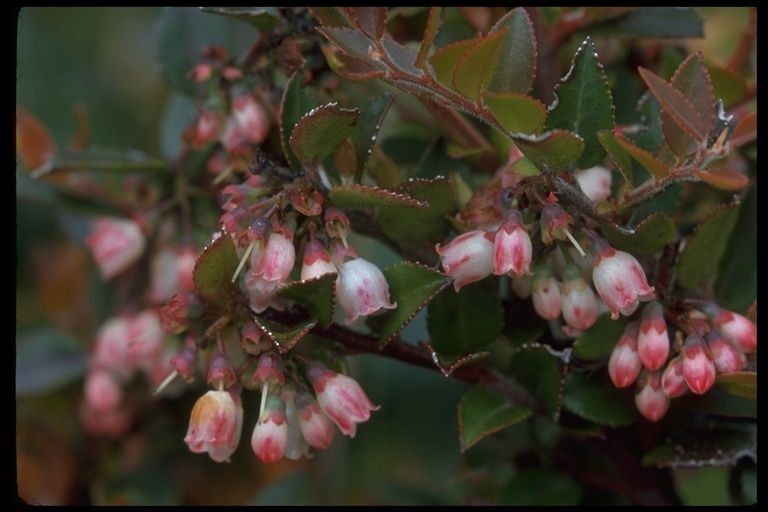
Oh, hello there! Come on in, grab a cup of coffee. Let’s chat about Vaccinium hirsutum, or as I like to call it, our fuzzy friend. If you’ve ever seen this charming native blueberry with its soft, hairy leaves and delightful clusters of small, edible berries, you know why it’s a garden darling. And the absolute joy of coaxing a new plant from an existing one? It’s like a little bit of magic I get to witness every year.
Introduction: A Hug from the Garden
Vaccinium hirsutum has this wonderful, understated charm. Its fuzzy texture makes it unique, and those little berries are a sweet bonus. Propagating it feels like I’m sharing a piece of my garden’s heart with you. Now, is it the easiest thing in the world for a total beginner? Honestly, it can be a bit of a challenge compared to, say, a begonia. But with a little patience and these tips, you’ll be well on your way. It’s a rewarding journey, for sure!
The Best Time to Start
For Vaccinium hirsutum, I find the sweet spot for propagation is late spring to early summer, just as the current year’s growth is starting to firm up but is still quite pliable. Think of it as taking cuttings from shoots that have already put on a bit of a spurt, but aren’t tough and woody yet. This is when the plant has good energy reserves for root development.
Supplies You’ll Need
- Sharp, clean pruning shears or a sharp knife: Essential for making clean cuts.
- Rooting hormone: A good quality powdered or gel rooting hormone can really boost success rates. Look for one formulated for woody plants.
- Well-draining potting mix: A blend of equal parts peat moss or coco coir, perlite, and a bit of compost works wonderfully. You want it to hold moisture but not get waterlogged.
- Small pots or trays: Clean 4-inch pots are usually a good size to start.
- Plastic bags or a propagation dome: To create a humid environment.
- A spray bottle: For misting.
- Labels and a marker: So you don’t forget what you’ve propagated!
- Optional: A heat mat: This can significantly speed up rooting, especially in cooler conditions.
Propagation Methods: Nurturing Your Fuzzy Cuttings
My go-to method for Vaccinium hirsutum is stem cuttings, and here’s how I tackle it:
- Select Your Cuttings: Look for healthy, non-flowering semi-hardwood cuttings. These are shoots that are hardening off, often a lighter brown near the base and still green at the tip. Aim for pieces about 4-6 inches long.
- Make the Cut: Using your clean shears or knife, take a cutting just below a leaf node – that point where a leaf attaches to the stem. This is where roots are most likely to form.
- Prepare the Cutting: Gently remove the leaves from the bottom half of the cutting. You want to expose those nodes so they can make contact with the rooting hormone and soil. Leave 2-3 leaves at the top, and if they’re very large, you can even snip them in half to reduce water loss.
- Apply Rooting Hormone: Dip the cut end of the prepared cutting into your rooting hormone, tapping off any excess.
- Planting: Fill your clean pots with your well-draining potting mix and moisten it thoroughly. Make a small hole in the center of the pot with your finger or a pencil. Insert the rooting hormone-coated end of the cutting into the hole, making sure at least one leaf node is buried. Gently firm the soil around the stem.
- Create Humidity: Place the pot inside a clear plastic bag, zipping it up loosely, or cover it with a propagation dome. If using a bag, you might need a few stakes to keep the plastic from resting directly on the leaves.
- Placement: Put your newly potted cuttings in a bright location, but out of direct sunlight. A spot on a windowsill where the sun is filtered is perfect. If you’re using a heat mat, place the pots on it now.
I’ve also had some success with water propagation, though it’s a bit more hit-or-miss with Vaccinium. The key is to be extra vigilant about keeping the water clean and ensuring the nodes are submerged, but again, with no leaves in the water.
The “Secret Sauce” (Pro Tips)
Here are a few things I’ve learned over the years that seem to make a difference with these fuzzy beauties:
- Keep it Clean, Always: For blueberries, cleanliness is paramount to preventing rot. Sterilize your tools before you start, and use clean pots. And once they’re potted, avoid overwatering. Let the top inch of soil dry out slightly between waterings.
- Bottom Heat is Your Friend: If you can manage a heat mat under your pots, do it! It’s not strictly necessary, but it honestly speeds up the rooting process by a good few weeks and gives those stubborn little roots a much-needed boost.
- Don’t Disturb the Peace (Too Soon!): Resist the urge to pirk and pull at your cuttings to see if they have roots! Wait until you see new leaf growth appearing, which is a good sign that roots are forming. This can take anywhere from 4-8 weeks, sometimes longer.
Aftercare & Troubleshooting
Once you see those little green shoots emerging, it’s a cause for celebration! This means new roots are likely forming.
- Gradually Acclimate: Slowly decrease the humidity over a week or two. Open the plastic bag a bit more each day, or lift the dome for longer periods. This helps the new plant adjust to drier air.
- Water Carefully: Water when the top inch of soil feels dry. Good drainage is still key here.
- Transplant When Ready: Once the roots have filled the pot (you might see them peeking out the bottom), and the plant is growing vigorously, you can transplant it into a slightly larger pot or its final garden spot.
The most common sign of failure is wilting and browning leaves, which can be due to lack of water, too much water (leading to rot), or the cutting drying out before it could root. If a cutting just seems to do nothing, it hasn’t taken. Don’t be discouraged! It happens to all of us. Just try again.
Happy Propagating!
So there you have it! Propagating Vaccinium hirsutum is a lovely way to expand your garden or share these delightful plants with friends. Be patient, keep an eye on your little charges, and enjoy watching them grow. Every tiny sprout is a testament to your green thumb and a little piece of garden joy. Happy growing!
Resource:
https://identify.plantnet.org/k-world-flora/species/Vaccinium%20hirsutum%20Buckley/data