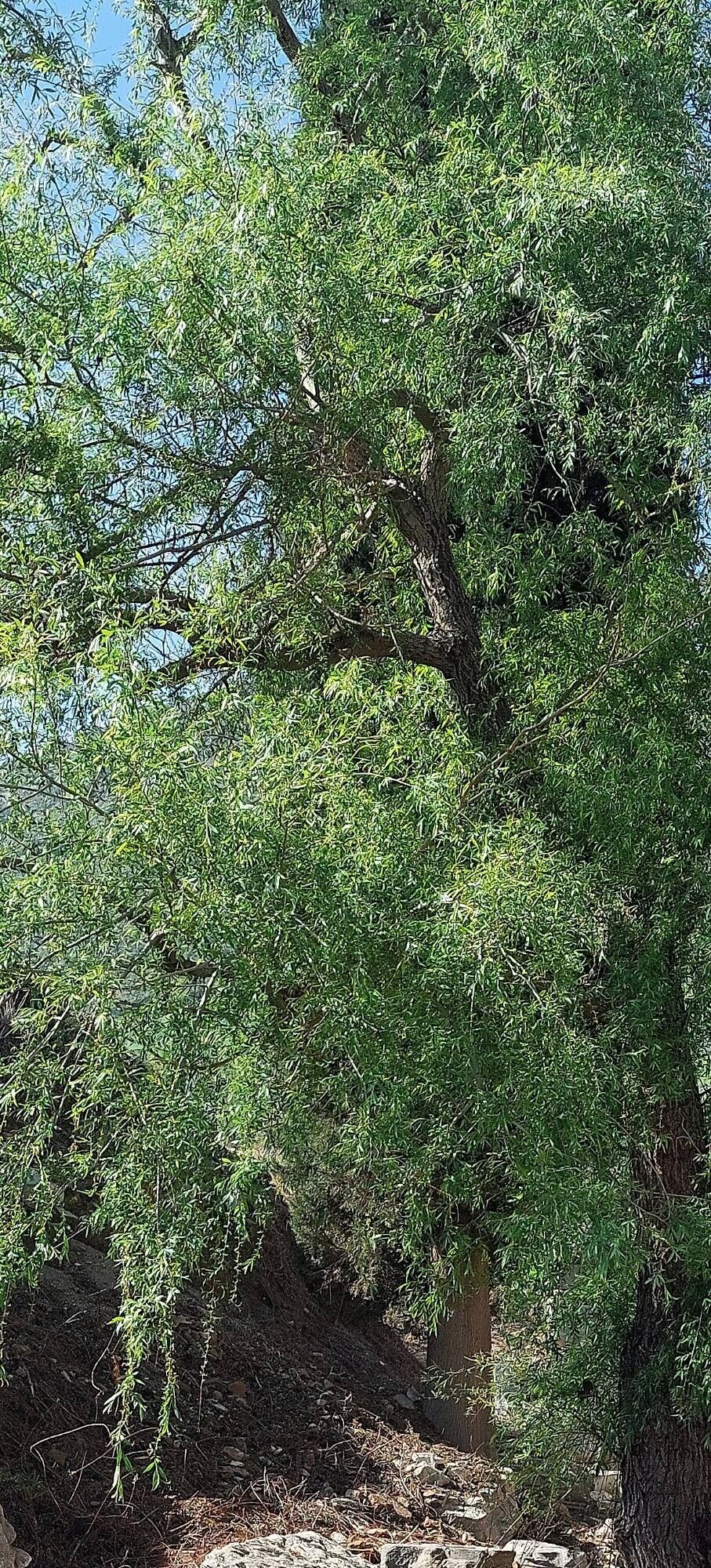
Oh, hello there! Pull up a chair and let’s chat about one of my absolute favorites: Salix euxina, often known as the wonderful Welch Willow or Caspian Willow. This graceful plant brings such a relaxed elegance to any garden with its long, sweeping branches and lovely silver-green leaves. If you’ve ever admired a Salix euxina and thought, “I wish I had more of those!”, you’re in luck. Propagating these beauties is surprisingly accessible, and honestly, it’s a truly rewarding experience. For beginners, I’d say this is a wonderfully encouraging plant to start with. You’ll likely have a lot of success!
The Best Time to Start
My golden rule for propagating willows, including Salix euxina, is to work with softwood cuttings. This means you want to take them when the plant is actively growing, typically in late spring or early summer. The new growth is flexible and full of life, making it much more eager to root. You can also have success with semi-hardwood cuttings in mid to late summer, but spring is usually my go-to for the highest strike rate.
Supplies You’ll Need
Don’t worry, it’s not a trip to a fancy tool shop! Here’s what you’ll want to gather:
- Sharp Pruning Shears or a Knife: Cleanliness is key to prevent disease.
- Rooting Hormone (Optional but Recommended): This little powder or gel gives your cuttings a significant boost.
- Potting Mix: A good quality, well-draining mix is essential. I often blend potting soil with perlite or coarse sand to ensure excellent drainage.
- Small Pots or a Propagation Tray: Make sure they have drainage holes.
- Clear Plastic Bag or Dome: This creates a humid environment for your cuttings.
- Water: For keeping things moist.
- A Sunny, Sheltered Spot: Out of direct, harsh sunlight.
Propagation Methods
There are a couple of ways to go about this, and I find the simplest often yields the best results for Salix euxina.
1. Stem Cuttings (My Favorite!):
- Select Your Wood: Look for healthy, non-flowering shoots from your Salix euxina. You’re aiming for pieces that are about 6-8 inches long.
- Make the Cut: Using your sharp shears, make a clean, angled cut just below a leaf node (that little bump where a leaf emerges). This angled cut increases the surface area for root development.
- Strip the Lower Leaves: Remove the leaves from the bottom two-thirds of your cutting. This prevents them from rotting in the soil or water and directs the plant’s energy towards rooting.
- Dip in Rooting Hormone: If you’re using it, dip the cut end of the stem into the rooting hormone, tapping off any excess.
- Pot Them Up: Fill your pots or tray with your well-draining potting mix. Make a small hole with your finger or a pencil and insert the cutting, ensuring at least one leaf node is buried beneath the soil line. Gently firm the soil around the stem.
- Water Gently: Water the soil thoroughly, but avoid waterlogging.
- Create a Humid Environment: Cover the pots with a clear plastic bag or propagation dome. This traps moisture and keeps the humidity high, preventing the leaves from drying out. Poke a few holes in the bag if it looks like condensation is too heavy.
- Place in a Bright, Indirect Spot: Find a location that gets plenty of light but no direct, hot sun. A shaded greenhouse bench or a bright windowsill out of direct sun is perfect.
2. Water Propagation (Another Easy Option):
- Follow steps 1-3 above for selecting and preparing your cuttings.
- Instead of potting mix, place the cuttings in a jar or vase of clean water.
- Crucially, ensure no leaves are submerged in the water. This is a common mistake that leads to rot. You can gently tie them up or trim them if needed.
- Place the jar in a bright spot out of direct sun. Change the water every few days to keep it fresh. You’ll be able to see the roots developing!
The “Secret Sauce” (Pro Tips)
Now, for a couple of little secrets I’ve picked up over the years that can really make a difference:
- Bottom Heat is Your Friend: If you can, placing your pots on a heated propagation mat can significantly speed up root formation. Willows love a little warmth at their base. It mimics the conditions they’d find in spring soil.
- Don’t Be Afraid to Take More: Willows are generous! Take more cuttings than you think you’ll need. Not every single one will root, and that’s perfectly okay. More starts mean more chances of a robust new plant.
- Mist Regularly: Even with a bag, a light misting of the leaves every few days can help keep your cuttings happy and prevent dehydration while they’re working on establishing roots.
Aftercare & Troubleshooting
Once you start seeing roots pushing out the bottom of your pot or developing nicely in the water, you’re on your way!
- Acclimatize: If your cuttings were in a bag, gradually introduce them to lower humidity by opening the bag a little more each day before removing it entirely.
- Transplant: Once the cuttings have a good root system (you can gently tug on them and feel resistance, or see roots emerging from drainage holes), it’s time to pot them up into slightly larger individual pots with fresh potting mix.
- Keep Them Moist: For the first few weeks after transplanting, keep the soil consistently moist but not soggy.
- Watch for Rot: The most common problem is rot, usually caused by overwatering or a lack of drainage. If your cutting looks mushy or has black, slimy stems, it’s likely succumbed to rot. Discard it and try again with better drainage and less water.
- Wilting: If a cutting wilts dramatically, it could be due to lack of moisture, too much sun, or it simply hasn’t rooted yet. Ensure it has enough water and isn’t in harsh sun. Sometimes they bounce back!
A Little Encouragement
Propagating plants is a journey, and with Salix euxina, it’s a delightful one. Be patient with your little cuttings. Some will take off quickly, while others might be a bit slower. The joy isn’t just in the end result – a beautiful new willow – but in the process of nurturing life from a simple stem. So go ahead, get your hands dirty, and enjoy watching your garden grow!
Resource:
https://identify.plantnet.org/k-world-flora/species/Salix%20euxina%20I.V.Belyaeva/data