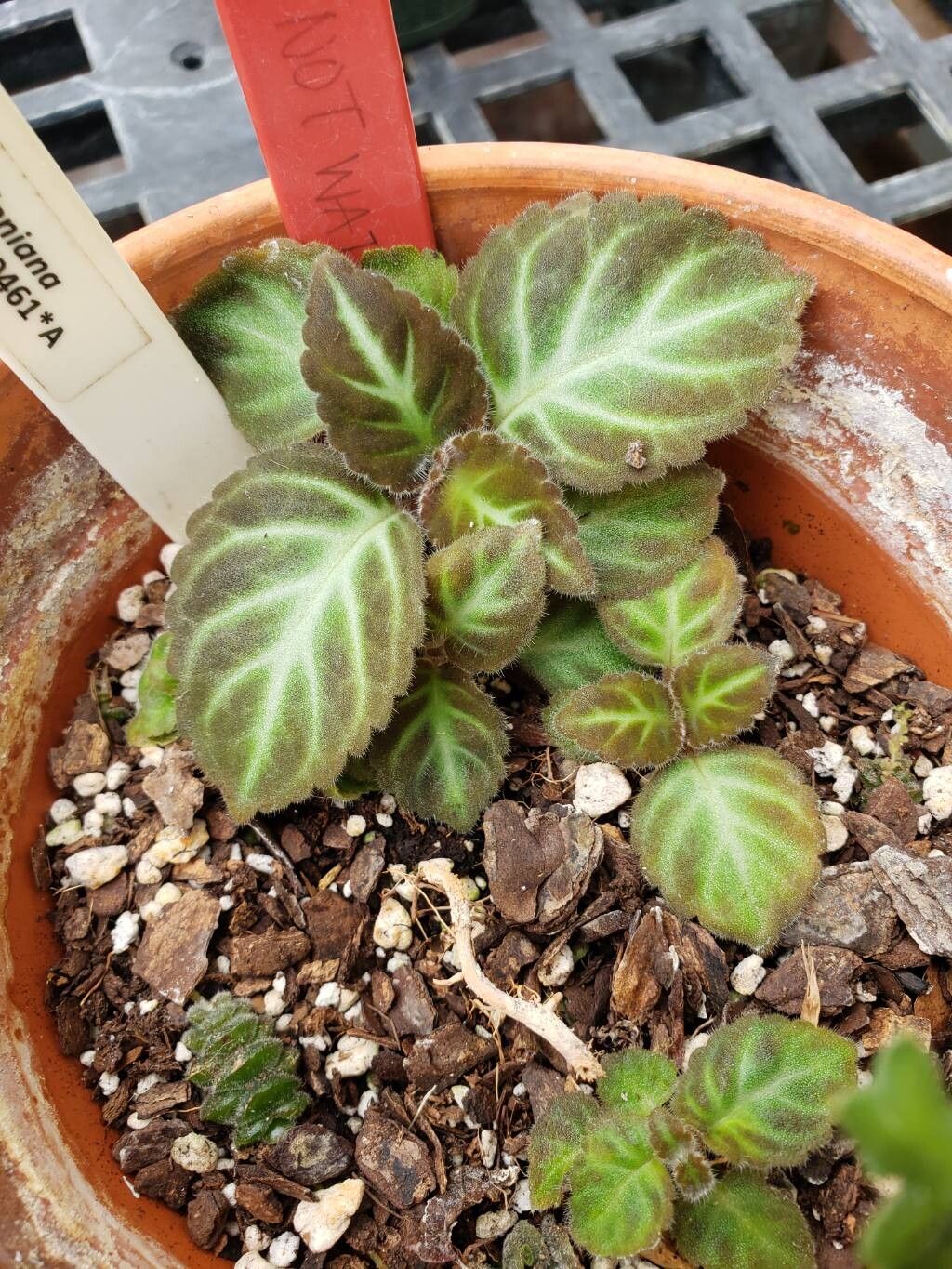
Hello my fellow plant lovers! Today, we’re diving into the wonderful world of propagating Gloxinella lindeniana, also known as the miniature African violet. If you’re like me, you’ve probably fallen head over heels for its delicate, velvety leaves and charming little purple flowers. It’s truly a jewel for any plant collection. And the best part? It’s incredibly rewarding to create new babies from your existing plant. Now, I will say, Gloxinella lindeniana isn’t the absolute easiest plant for a complete beginner to propagate, but with a little patience and a few key tips, you’ll be well on your way to success!
The Best Time to Start
For the highest chance of success with Gloxinella lindeniana, I always recommend starting in the late spring or early summer. This is when the plant is actively growing and has plenty of energy to put into developing new roots. You want to propagate from a healthy, vigorous plant that’s not stressed. Look for stems that are firm and have just begun to lengthen.
Supplies You’ll Need
Here’s what you’ll want to have on hand before you get started:
- Sharp, clean pruning shears or a razor blade: For making clean cuts.
- Small pots or rooting trays: About 3-4 inches in size work well. Make sure they have drainage holes!
- Propagating medium: I prefer a light, airy mix. A good combination is equal parts perlite and peat moss, or a specialized African violet potting mix.
- Rooting hormone (optional but recommended): This helps to encourage faster and stronger root development.
- Clear plastic bags or a propagation dome: To create a humid environment.
- Water mister: For keeping cuttings moist.
- Labels and a marker: So you don’t forget what you’ve planted!
Propagation Methods
The most reliable way I find to propagate Gloxinella lindeniana is through stem cuttings.
- Select your cutting: Choose a healthy stem that has at least two to three sets of leaves. You want a piece that’s about 2-3 inches long. Make a clean cut just below a leaf node. This is the point where a leaf attaches to the stem, and where roots are most likely to form.
- Prepare the cutting: Gently remove the lowest set of leaves from the cutting, exposing the node. If your cutting has large leaves, you can even cut them in half horizontally. This reduces water loss from the leaf surface while the cutting is trying to root.
- Apply rooting hormone (optional): Dip the cut end of the stem into rooting hormone, tapping off any excess.
- Plant your cutting: Fill your small pot with your chosen propagating medium. Make a small hole in the center with your finger or a pencil. Insert the cut end of the stem into the hole, ensuring the leaf node is buried in the medium. Gently firm the medium around the stem.
- Water lightly: Water the medium thoroughly but don’t drench it. You want it to be moist, not soggy.
- Create humidity: Place the pot inside a clear plastic bag, sealing it loosely, or cover it with a propagation dome. This creates a mini-greenhouse effect. Place the pot in a location with bright, indirect light. Avoid direct sun, which can scorch the delicate leaves.
The “Secret Sauce” (Pro Tips)
Here are a couple of things I’ve learned over the years that can really make a difference:
- Don’t let the leaves touch the water (if you are water propagating): While I primarily stick to soil for these, if you do try water propagation, a common mistake is letting the leaves sit in the water. This leads to rot very quickly! Only the stem should be submerged.
- Bottom heat is your friend: If you have a seedling heat mat, placing your pots on it can significantly speed up root development. Gloxinella lindeniana loves a little warmth to get things going.
Aftercare & Troubleshooting
Once your cuttings are potted, keep them in that humid environment and mist the leaves lightly every few days if the medium starts to dry out. You should start to see signs of rooting within 3-6 weeks. You can gently tug on the cutting; if there’s resistance, it means roots are forming.
The most common problem you’ll encounter is rot. This usually happens if the medium is too wet or there’s not enough air circulation. If you see a cutting turning black and mushy, sadly, it’s time to discard it and learn from the experience. If a cutting wilts dramatically, it might not have enough moisture or is too hot. Check your humidity and light levels.
Once roots are well-established, you’ll want to gradually acclimate your new plant to normal humidity levels. You can start by opening the plastic bag a little each day for a week. Then, transplant it into a slightly larger pot with a good quality potting mix. Keep it in bright, indirect light and water when the top inch of soil feels dry.
A Little Patience Goes a Long Way
Propagating plants is a journey, and Gloxinella lindeniana is no exception. There will be times when things don’t go as planned, and that’s perfectly okay! Celebrate every success, learn from every setback, and enjoy the magic of watching new life emerge. Happy propagating!
Resource: