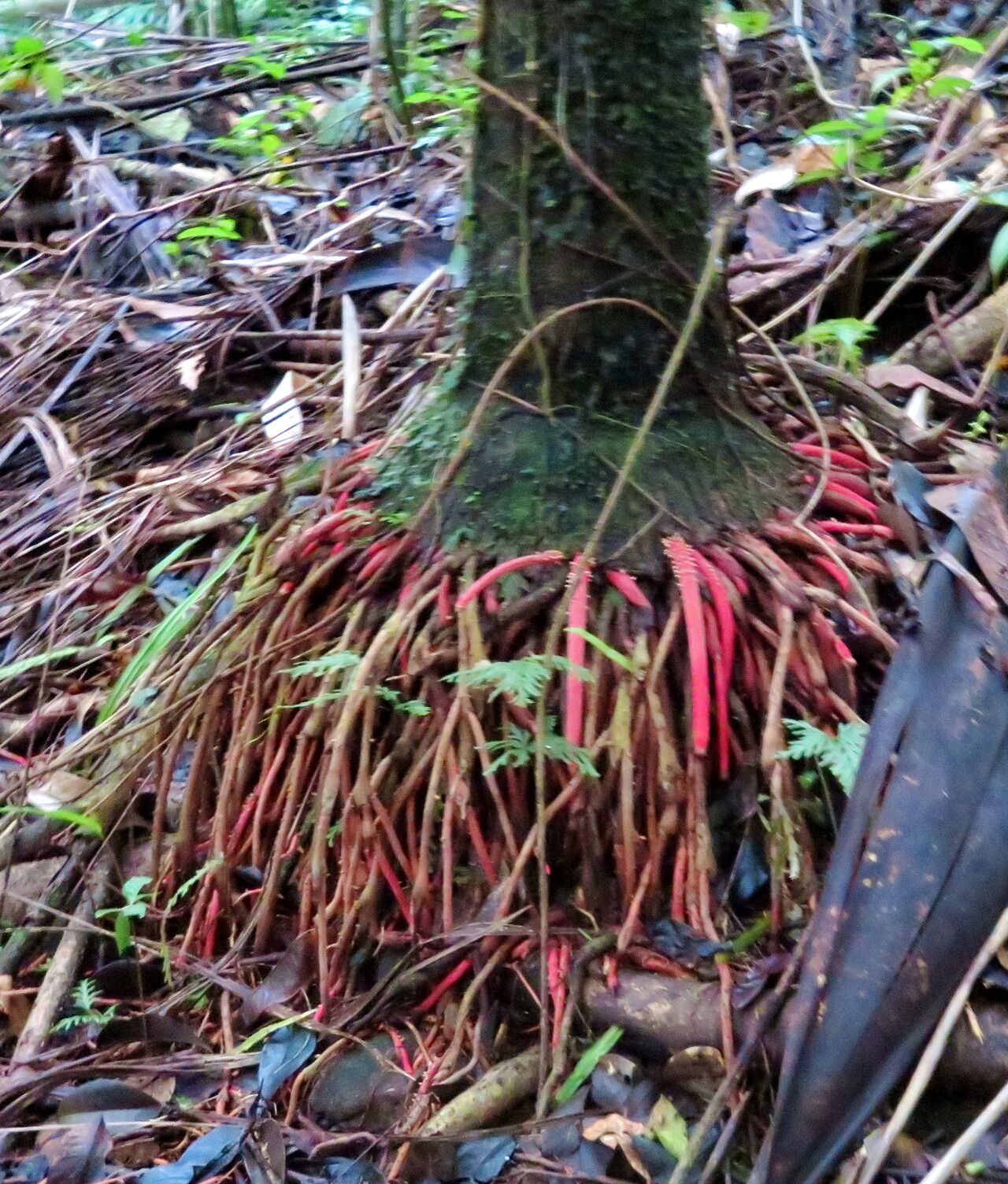
Oh, Euterpe precatoria! What a magnificent palm. I’ve spent countless happy hours admiring its graceful, slender form and the way it can transport you to a tropical paradise, even in your own backyard. If you’ve ever dreamed of growing your own Euterpe precatoria, or even just want to share this beauty with a friend, propagating it yourself is incredibly rewarding. Now, I’ll be honest, this isn’t quite as straightforward as sticking a begonia cutting in a pot. It requires a little more patience and specific attention, but the satisfaction of seeing a tiny sprout emerge is truly immense. Let’s dive in!
The Best Time to Start
When it comes to propagating Euterpe precatoria, spring is your best friend. As the weather warms up and days get longer, the plants are bursting with energy. This is when they’re most likely to put out new growth and have the reserves needed to establish themselves. I always find the highest success rates when I start in late spring, just as the real growing season kicks into high gear.
Supplies You’ll Need
Gathering your supplies beforehand makes the whole process much smoother. Here’s what I usually have on hand:
- Sharp, sterile pruning shears or a very sharp knife: Clean tools are non-negotiable for preventing disease.
- Well-draining potting mix: A good quality mix designed for palms or a blend of equal parts peat moss, perlite, and sand works wonderfully.
- Small pots or trays: Terracotta pots are excellent as they allow the soil to breathe.
- Rooting hormone (optional but helpful): A powdered or liquid form can give your cuttings a boost.
- Clear plastic bags or a propagator lid: To create a humid environment.
- Watering can with a fine rose: For gentle watering.
- Labels: To keep track of what you’re propagating and when!
Propagation Methods
Euterpe precatoria is primarily propagated from seed. While division is sometimes possible for suckering palms, this particular species tends to grow more as a single-trunked specimen. So, let’s focus on getting those seeds to sprout!
Seed Propagation:
This is the most common and reliable way to get more Euterpe precatoria.
- Source Your Seeds: Look for fresh seeds from a reputable supplier, or if you’re lucky enough to have a fruiting Euterpe precatoria, harvest the ripe fruits. The fruits are typically small, round, and dark purple or black when mature.
- Clean the Seeds: Gently remove any pulp from the seeds. You can do this by rubbing them between your hands with a little water or a soft cloth. It’s important to get them clean to prevent mold.
- Soaking (Optional but Recommended): Some gardeners swear by soaking the seeds in lukewarm water for 24-48 hours. This can help to soften the seed coat and encourage germination. Change the water once a day.
- Sowing: Fill your chosen pots or trays with your well-draining potting mix. Make a small divot in the soil for each seed, about half an inch to an inch deep. Place one seed per pot or space them a couple of inches apart in a tray. Cover them lightly with soil.
- Watering: Water the soil gently but thoroughly until it’s evenly moist. Don’t let it become waterlogged.
- Creating Humidity: This is key! Cover the pots or tray with a clear plastic bag or a propagator lid. This traps moisture and creates the warm, humid microclimate that Euterpe seeds love. You can secure the bag with a rubber band.
- Placement: Place the pots in a warm location, ideally with consistent bottom heat. A heat mat designed for seedlings is fantastic for this. Aim for temperatures around 75-85°F (24-29°C). Bright, indirect light is best; direct sun can scorch the delicate seedlings.
- Patience is a Virtue: Germination can take anywhere from 2 to 6 months, and sometimes even longer. Don’t despair if nothing happens immediately! Keep the soil consistently moist (but not wet) and the humidity high.
The “Secret Sauce” (Pro Tips)
Over the years, I’ve picked up a few little tricks that really seem to nudge things along.
- Bottom Heat is Your Best Friend: As I mentioned, Euterpe seeds are tropical babies, and they love consistent warmth from below. A seedling heat mat makes a world of difference compared to just relying on ambient room temperature. It mimics the warmth of the soil in their native habitat.
- Don’t Rush the Transplant: When those first little seedlings emerge, it’s tempting to move them into bigger pots right away. But in my experience, it’s better to let them develop a bit more. Wait until they have at least two or three sets of leaves and are showing good vigor before carefully transplanting them into individual, slightly larger pots.
- Sterilize Everything: I can’t stress this enough. Before you start, make sure your pots, tools, and even your hands are clean. Any little bit of mold or bacteria can be devastating to delicate new sprouts.
Aftercare & Troubleshooting
Once your Euterpe precatoria seedlings have germinated and are showing their first true leaves, it’s time for a little extra care.
- Gradual Acclimation: Gently start to harden them off by opening the plastic bag or propagator lid for increasingly longer periods each day. This helps them adjust to lower humidity levels.
- Light: Continue to provide bright, indirect light.
- Watering: Water when the top inch of soil feels dry to the touch. Avoid overwatering, as this is the most common culprit for rot.
- Fertilizing: Once they’ve developed a bit more and are showing good growth, you can start feeding them a very dilute, balanced liquid fertilizer every 4-6 weeks during the growing season.
- Signs of Failure: The most common issue you’ll encounter is rot. If you see the stem turning mushy and black at the soil line, or if seedlings simply collapse, it’s usually a sign of too much moisture and poor air circulation. Ensure your soil drains exceptionally well and that you’re not overwatering. Sometimes, if you’ve had an issue with mold, it’s best to discard the affected seedlings and start fresh in a cleaner medium.
A Little Encouragement
Propagating Euterpe precatoria is a journey, and like any good gardening adventure, it’s filled with learning and a bit of trial and error. Don’t get discouraged if your first attempt isn’t a runaway success. Each seed, each seedling, teaches you something new. Enjoy the process, celebrate the small victories, and before you know it, you’ll be surrounded by your very own Euterpe forest! Happy planting!
Resource:
https://identify.plantnet.org/k-world-flora/species/Euterpe%20precatoria%20Mart./data