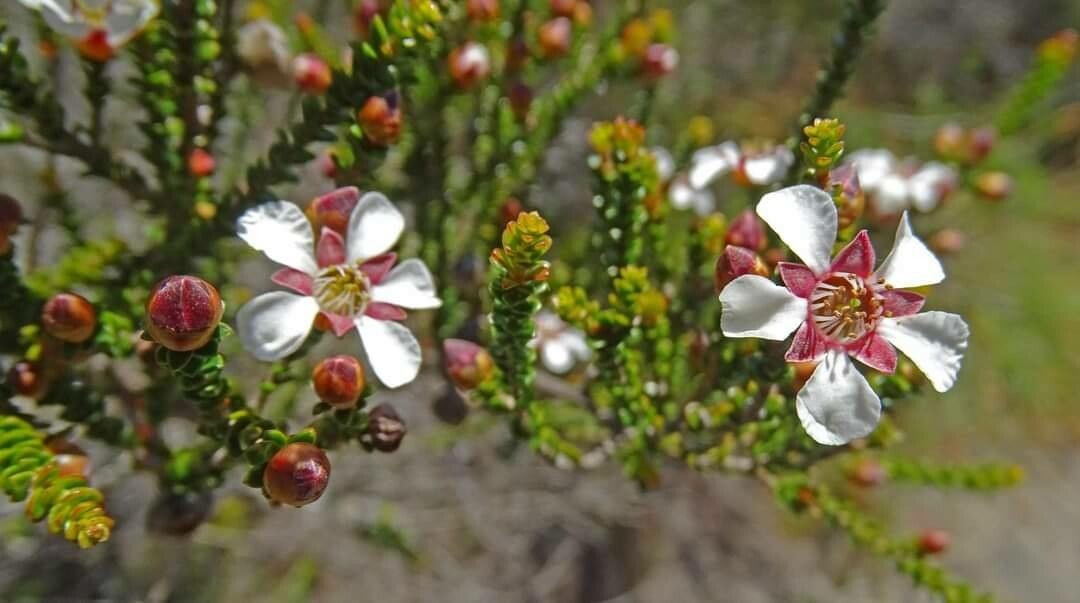
Ah, Baeckea brevifolia! What a little gem. If you’ve ever admired its delicate, papery flowers and graceful, shrubby form, you’re not alone. I’ve grown this beauty for years, and there’s something incredibly satisfying about coaxing new life from a beloved plant. It lets you share its charm with friends, fill new corners of your garden, or simply get more bang for your buck. Now, is it a walk in the park for a complete newbie? I’d say it’s moderately easy. You’ll need a little patience and a few key techniques, but definitely achievable for those with a budding interest in propagation.
The Best Time to Start
For Baeckea brevifolia, spring and early summer are your golden windows. This is when the plant is actively growing, full of youthful vigor, and has the energy to put towards developing new roots. Look for stems that are firm but not yet woody – what we often call “semi-hardwood” cuttings. You want a cutting that will snap cleanly when bent slightly, not bend limply. Avoid taking cuttings from flowering stems, as the plant’s energy will be focused on making seeds instead of roots.
Supplies You’ll Need
Gathering your supplies beforehand makes the whole process smoother. Here’s what I always have on hand:
- Sharp, clean pruning shears or a sharp knife: Essential for making clean cuts that heal well.
- Rooting hormone: While not strictly mandatory, it can give your cuttings a significant boost. I prefer the powdered form.
- A well-draining potting mix: A good blend is crucial. I like to use a mix of perlite, coco coir, and a little bit of fine bark. You can also find commercially available mixes designed for cuttings.
- Small pots or seed trays: Clean pots are a must to prevent disease.
- Plastic bags or a clear plastic dome: To create a humid environment around your cuttings.
- A watering can with a fine rose: For gentle watering without disturbing the cuttings.
- Labels and a marker: Don’t forget to label your cuttings! Trust me, you’ll thank yourself later.
Propagation Methods
Baeckea brevifolia happily takes to stem cuttings. It’s my go-to method for this plant.
- Take Your Cuttings: Using your clean shears or knife, select healthy, non-flowering stems from your parent plant. Cut stems that are about 10-15 cm long. Make your cut just below a leaf node (where a leaf attaches to the stem), as this is where roots tend to emerge.
- Prepare the Cuttings: Gently remove the leaves from the bottom half to two-thirds of the cutting. This prevents them from rotting once in the rooting medium and reduces transpiration – the loss of water through leaves.
- Apply Rooting Hormone: Dip the cut end of each prepared cutting into your rooting hormone, tapping off any excess.
- Plant Your Cuttings: Fill your small pots or seed trays with your well-draining potting mix. Make a pilot hole with a pencil or your finger, then gently insert the cuttings. Firm the soil around the base of each cutting to ensure good contact.
- Water Gently: Water the mix thoroughly until it drains from the bottom of the pot.
The “Secret Sauce” (Pro Tips)
Here are a few little tricks I’ve picked up over the years that can really make a difference:
- Sterilize Everything: I can’t stress this enough. Even a bit of old soil or a dirty tool can introduce disease that will wipe out your precious cuttings. Wipe down your tools with rubbing alcohol and use clean pots. It’s a small step that saves a lot of heartache.
- Bottom Heat is Your Friend: If you can, place your pots on a propagation mat or in a warm spot. Consistent, gentle warmth from below encourages root development much faster than just ambient room temperature. Think of it as giving your plants a cozy, warm bed to grow roots in.
- Don’t Over-Water: It’s a common mistake! Cuttings are prone to rot if the soil stays soggy. Allow the surface of the potting mix to dry slightly between waterings. You’ll get a feel for it. A good indicator is if the pot feels lighter.
Aftercare & Troubleshooting
Once your cuttings are planted, it’s time for gentle nurturing.
- Create Humidity: Cover the pots loosely with a clear plastic bag or place them under a clear dome. This keeps the humidity high around the cuttings, preventing them from drying out before they can develop roots. Ensure the leaves aren’t touching the plastic if possible to prevent fungal issues.
- Provide Bright, Indirect Light: Find a spot that offers bright, filtered light. Avoid direct, harsh sunlight, which can scorch the delicate cuttings.
- Be Patient: This is the biggest part! Rooting can take anywhere from 4 to 12 weeks, sometimes longer. Don’t despair if you don’t see immediate results.
- Check for Roots: You’ll know they’re rooted when you gently tug on a cutting and feel resistance, or when new growth starts to appear. You might even see roots peeking out from the drainage holes.
- Common Problems: The most common issue is rot. If your cuttings turn black and mushy, it’s usually a sign of overwatering and/or lack of air circulation. Discard any rotten cuttings immediately. If you see white mold on the soil surface, it can also indicate too much moisture. You can try scraping it off and letting the soil dry out a bit more.
A Encouraging Closing
Growing your own Baeckea brevifolia is such a rewarding journey. Each new plant is a testament to your care and understanding of nature’s cycles. It takes a little practice, and sometimes things don’t work out as planned, but that’s all part of the learning process. So, get your hands dirty, be patient with your tiny new plants, and most importantly, enjoy the simple magic of coaxing life from a single stem. Happy propagating!
Resource:
https://identify.plantnet.org/k-world-flora/species/Baeckea%20brevifolia%20(Rudge)%20DC./data