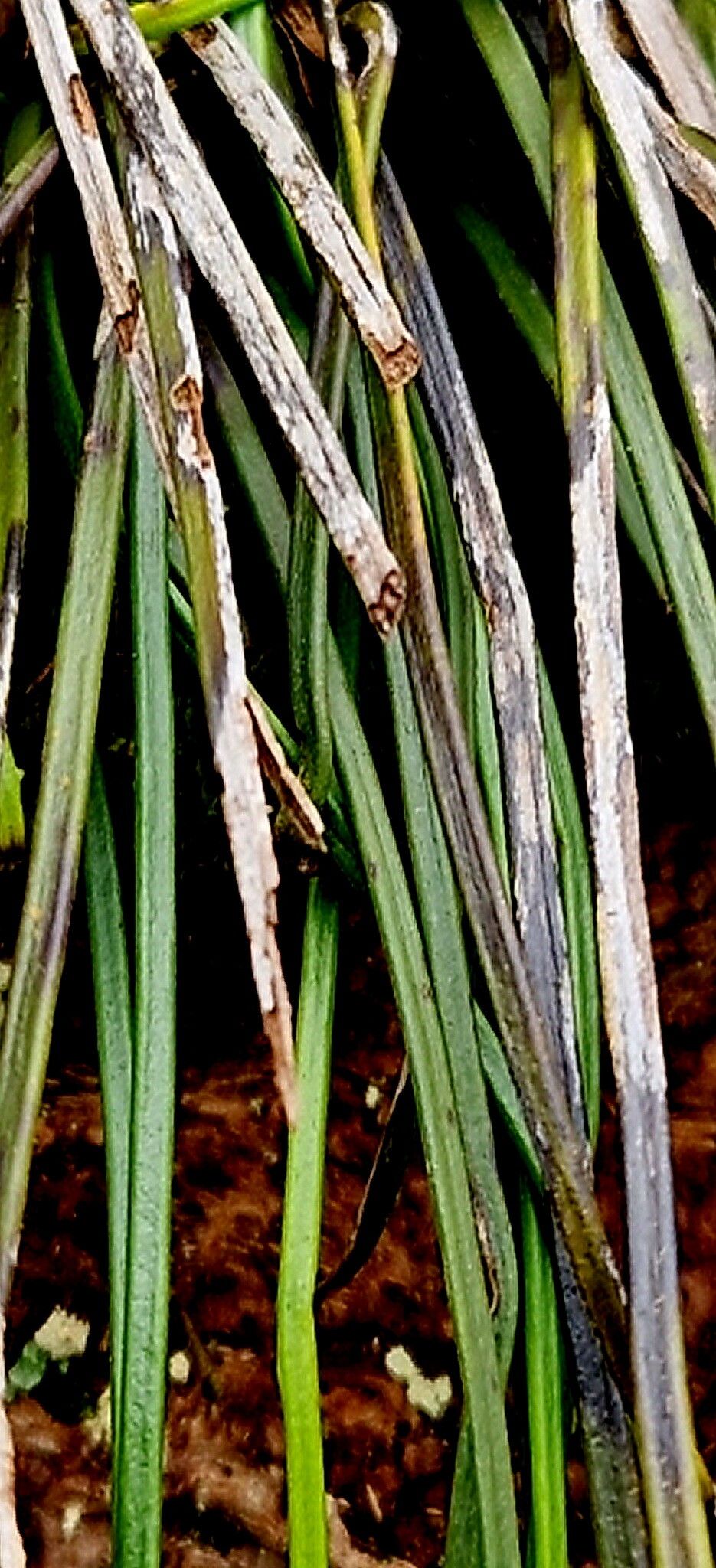
Oh, hello there! Pull up a chair, let’s chat about a truly special plant: Vittaria isoetifolia, or as many of us affectionately call it, the Shoelace Fern. Honestly, there’s something so elegant about its long, slender, grass-like fronds. It has this delicate, almost architectural beauty that just draws you in. And you know what’s even better? Bringing more of that beauty into your home by propagating it yourself. It’s a wonderfully rewarding process, and while it has its quirks, I wouldn’t say it’s out of reach for beginners. A little patience goes a long way here.
The Best Time to Start
For Vittaria isoetifolia, I’ve found the spring and early summer are your golden ticket. This is when the plant is really in its growth spurt, brimming with energy. You’ll be looking for new, healthy growth – those vibrant, bright green fronds are the ones you want to work with. Trying to propagate when it’s less active, say in deep winter, can be a bit of a gamble.
Supplies You’ll Need
You don’t need a whole shed full of fancy gadgets. Here’s what I usually have on hand:
- Sharp Pruning Shears or a Clean Knife: A clean cut is crucial, so no jagged edges.
- Well-Draining Potting Mix: I love a blend of orchid bark, perlite, and a good quality peat moss for this. It needs to breathe!
- Small Pots or Propagation Trays: Whatever holds your baby plants snugly.
- Rooting Hormone (Optional but Recommended): A powder or gel can give your cuttings a little nudge.
- Spray Bottle: For keeping things humid.
- Clear Plastic Bag or Dome: To create a mini greenhouse effect.
- Water: Filtered or distilled is best, as ferns can be sensitive to minerals.
- A Sunny Spot (Indirect Light): Think bright, but no direct sunbeams.
Propagation Methods
Vittaria isoetifolia can be a bit particular, but I’ve found success with a couple of methods. My personal favorite involves a gentle division.
Division: The Gentle Art
This is my go-to for Vittaria isoetifolia, as it’s less stressful for the parent plant and you often get a head start with established small roots.
- Gently Remove from Pot: Carefully take your Shoelace Fern out of its pot. It’s much easier if the soil is slightly moist, not bone dry or soaking wet.
- Inspect the Roots: Look at the root ball. You’re looking for natural breaks where sections of the plant can be carefully separated. You might see distinct clumps of growth.
- Separate with Care: Using your fingers or a clean, sharp knife, gently tease apart the root ball. You want to ensure each section has a good portion of roots attached. Don’t force it; if it feels stuck, work on a different section.
- Pot Up Your Divisions: Pot each new division into its own small pot filled with your well-draining mix. Plant them at the same depth they were previously.
- Water Lightly: Give them a gentle watering to settle the soil.
Stem Cuttings (or Frond Cuttings, really!)
This method is a little trickier with Vittaria isoetifolia because they don’t have traditional woody stems, but you can sometimes get success with a healthy frond.
- Select a Healthy Frond: Choose a mature, healthy frond that’s not too old or too young.
- Make a Clean Cut: Using your sharp shears, cut the frond as close to the base of the plant as possible.
- Prepare the Cutting: You can dip the cut end into rooting hormone powder if you’re using it.
- Planting: Gently insert the cut end into your propagation mix, ensuring it’s upright. You might need to use a small stake to support it if it’s a long frond.
- Create a Humid Environment: Cover the pot with a clear plastic bag or put it inside a propagation dome. This is absolutely vital for cuttings.
The “Secret Sauce” (Pro Tips)
Here are a few things I’ve learned over the years that make a big difference:
- Humidity is King: Ferns, especially Vittaria, absolutely adore high humidity. That plastic bag or dome isn’t just for show; it’s your little incubator. I also like to give the leaves a light misting a couple of times a day in addition to keeping it covered.
- Avoid Direct Sun Like the Plague: Seriously! Even a little direct sunlight can scorch those delicate new cuttings or divisions. Bright, indirect light is perfect. Think a north-facing window or a spot a few feet away from a brighter window.
- Don’t Overwater “Rotters” Beware: This is a big one. While you want the soil to be consistently moist, never let the pot sit in standing water. Soggy soil is the express train to rot, and you don’t want that for your precious new plant. Let the very top of the soil just start to dry out between waterings.
Aftercare & Troubleshooting
Once you see signs of life – and this can take a few weeks to a couple of months – you can slowly start to acclimate your new fern.
- Gradual Exposure: If you used a plastic bag, gradually poke holes in it or lift it for longer periods each day over a week to get it used to the ambient humidity.
- Continue with Gentle Watering: Keep the soil consistently moist but never waterlogged.
- The Dreaded Blackening: If the frond or division turns black and mushy, it’s usually a sign of rot. This often happens from too much water or not enough air circulation. Don’t despair! Sometimes one section fails, but others can thrive. Just remove the rotted part cleanly and continue to care for the rest.
- Lack of Growth: If nothing seems to be happening after several weeks, check your humidity and light levels. Ensure the potting mix is draining well. Patience is your best friend here; sometimes they’re just taking their sweet time.
A Encouraging Closing
See? It’s not as daunting as it might seem. Propagating Vittaria isoetifolia is a journey, and like any good journey, it requires a little patience and a lot of love. Watch your new little ferns unfurl, grow, and flourish. It’s such a deeply satisfying feeling to nurture a plant from a tiny piece into a whole new specimen. So, go on, give it a try! You might just surprise yourself with what you can grow. Happy gardening!
Resource:
https://identify.plantnet.org/k-world-flora/species/Vittaria%20isoetifolia%20Bory/data