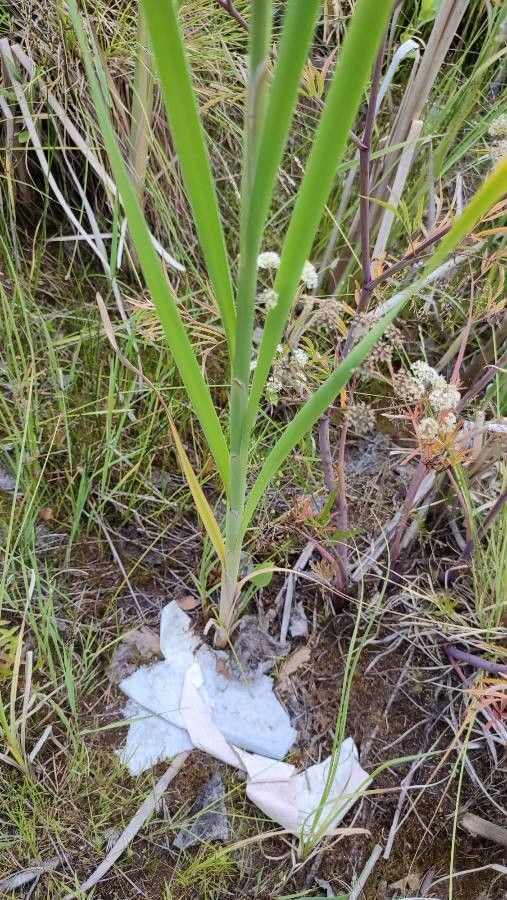
Hello fellow plant lovers! Today, we’re diving into the wonderful world of propagating Typha incana. You know, those beautiful, upright reeds that add such a graceful, architectural touch to any water garden or pond edge? Watching their elegant flower spikes emerge is simply a joy, and there’s something incredibly satisfying about creating new life from an existing plant.
Now, if you’re new to the gardening game, you might be wondering if Typha incana is a good beginner plant for propagation. I’m happy to say, yes! With a little know-how and patience, you’ll find it quite manageable. It’s a rewarding endeavor, watching those tiny bits of greenery transform into fully-fledged plants you can share or expand your own collection with.
The Best Time to Start
For optimal success with Typha incana, I find that the late spring or early summer is your sweet spot. This is when the plant is in its most vigorous growth phase after emerging from its dormancy. You want to catch it when it’s actively putting on new shoots and building energy. Trying to propagate too early in the spring, before the plant has fully woken up, or too late in the fall, as it’s winding down for winter, can lead to slower root development and a higher chance of failure.
Supplies You’ll Need
Here’s a little list of what you’ll want to have on hand:
- Sharp pruning shears or a sharp knife (sterilized, of course!)
- A good quality potting mix, or a mix specifically formulated for water plants or bog gardens. Coarse sand mixed with compost can work well too.
- Small pots or containers for your cuttings or divisions.
- A spray bottle for misting.
- Rooting hormone (optional, but can give an extra boost).
- A tray or saucer to hold your pots.
- Labels to keep track of what you’ve propagated.
Propagation Methods
Typha incana is generally propagated through two main methods: division and stem cuttings.
Division: The Natural Splitting
This is my go-to method for Typha incana, as it’s straightforward and usually very successful.
- Gently excavate: When your plant is actively growing (remember, late spring/early summer!), carefully dig up the entire plant from its container or the pond edge. You don’t need to be overly aggressive; just try to get the whole root ball.
- Cleanse the roots: Gently rinse off some of the excess soil from the roots. This will help you see the rhizomes and emerging shoots more clearly.
- Identify natural divisions: Look for the thick, fleshy underground stems, called rhizomes. You’ll see where the plant is naturally branching. Often, you can gently pull these apart with your hands, or you might need to use a clean, sharp knife or your pruning shears to make a cut. Aim to have at least one or two healthy shoots and a good portion of root with each division.
- Pot them up: Plant each division in its own pot filled with your chosen potting mix. Make sure the rhizome is just below the surface of the soil, and the shoots are pointing upwards.
- Water and rest: Water thoroughly, and then place the pots in a shallow tray of water. Keep them in a bright spot but out of direct, harsh sunlight initially.
Stem Cuttings: Getting Creative
While you can do this, I find division is usually easier and more reliable for Typha incana. However, if you have a particularly vigorous specimen, you can try stem cuttings from new shoots.
- Select a healthy shoot: Look for a young, green shoot that’s at least a few inches long and has not yet flowered.
- Make a clean cut: Using your sterilized pruning shears, make a clean cut just below a node (where a leaf emerges from the stem).
- Prepare the cutting: Remove any lower leaves, leaving just a few at the top. If you’re using rooting hormone, dip the cut end into it now.
- Place in water: Place the cutting in a jar of clean water. Make sure the leaves do not touch the water. This is crucial to prevent rot.
- Find a bright spot: Keep the jar in a bright location, but again, avoid direct, scorching sun. Change the water every few days to keep it fresh.
- Wait for roots: Be patient! It can take several weeks for roots to develop. Once you see about an inch of root growth, you can carefully pot it into soil mix.
The “Secret Sauce” (Pro Tips)
- Don’t crowd your cuttings: If you’re doing water propagation, give each cutting its own space in the jar. Overcrowding can lead to fungal issues.
- Bottom heat is your friend: For divisions, especially if you’re starting them a bit earlier than ideal, placing the pots on a heating mat designed for seedlings can really speed up root development. It mimics the warmth of the soil in summer.
- Think about humidity: Typha incana loves moisture. Once your divisions or cuttings are potted, you can create a mini-greenhouse by placing a clear plastic bag (with a few holes poked in it) over the pot. This helps maintain humidity while the plant establishes itself.
Aftercare & Troubleshooting
Once your Typha incana divisions or cuttings have developed a good root system (you’ll see new growth emerging from the divisions, or roots filling the pot for cuttings), it’s time to nurture them.
- Transplanting: You can now transplant them into larger pots or directly into your water garden or pond edge. Remember, Typha incana likes to have wet feet, so ensure they are positioned in shallow water or boggy soil.
- Water levels: Maintain consistent moisture. If they are in pots, keep them in a tray of water.
- Sunlight: Gradually introduce them to more sunlight.
Troubleshooting: The most common issue you might encounter is rot. If your cuttings are wilting and slimy, or if the rhizome of a division appears mushy and brown, it’s likely rot setting in. This is often caused by poor air circulation, stagnant water, or overwatering without a drainage system. If you catch it early, you might be able to save a healthy part of the division. Discard any clearly rotten material, and ensure good drainage and air flow for the remaining healthy bits. Brown or yellowing leaves that aren’t mushy are usually a sign of transplant shock, and are often not a cause for alarm. Just keep providing consistent moisture and light.
A Encouraging Closing
Propagating plants, especially something as lovely as Typha incana, is a journey. There will be successes, and perhaps a few learning experiences along the way – that’s part of the fun! Be patient with your new plant babies, give them the care they need, and trust in the process. Soon enough, you’ll be rewarded with beautiful new reeds, ready to grace your waterscapes. Happy gardening!
Resource:
https://identify.plantnet.org/k-world-flora/species/Typha%20incana%20Kapit.%20&%20Dyukina/data