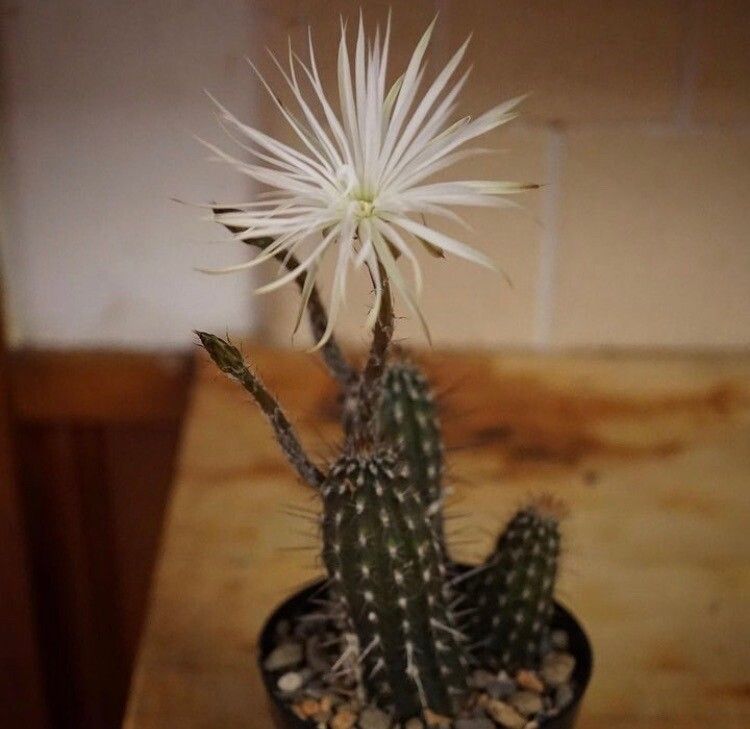
Oh, Setiechinopsis mirabilis! If you’ve ever seen this beauty, you know why it’s so captivating. Its sculptural form and the promise of stunning blooms make it a real treasure in any collection. And the best part? Propagating it is a wonderfully rewarding process, a way to share this magic and expand your own green haven. I’ve been nurturing these for years, and I find it’s a plant that offers a lovely challenge, something that will definitely build your confidence as you go.
The Best Time to Start
For Setiechinopsis mirabilis, the sweet spot for propagation is definitely during its active growing season. Think late spring through summer. This is when the plant is putting on its best growth, and any cuttings or divisions will have the most energy to establish themselves. Starting too late in the fall or during dormancy can mean your new little ones struggle to get going before the cooler weather sets in.
Supplies You’ll Need
Gathering your tools beforehand makes the whole process a breeze. Here’s what I always have on hand:
- Well-Draining Potting Mix: A cactus and succulent mix is usually perfect. You can even boost its drainage with extra perlite or coarse sand.
- Sharp, Clean Pruning Shears or Knife: A clean cut is crucial to prevent disease.
- Rooting Hormone (Optional but Recommended): A dusting of this can give your cuttings a real head start.
- Small Pots or Trays: Whatever you have that allows for good drainage.
- Gloves: Some succulents have fine spines, and it’s always good to protect your hands.
- Watering Can with a Fine Rose: For gentle watering.
Propagation Methods
Setiechinopsis mirabilis is quite amenable to a couple of propagation methods, but my favorite is usually stem cuttings.
Here’s how I tackle it:
- Take Your Cuttings: Select a healthy stem or pup from your mature plant. Using your sharp, clean shears, make a cut at least 3-4 inches long. If you’re taking a pup, you’ll want to gently twist or pull it from the parent plant, ensuring it has a bit of its own base.
- Let It Callus: This is a vital step for succulents! After you take your cutting, resist the urge to plant it immediately. Place it in a dry, shaded spot for a few days to a week. You’ll see the cut end dry out and form a callus. This protective layer prevents rot when you eventually plant it.
- Apply Rooting Hormone (Optional): Once callused, you can dip the cut end into rooting hormone. Just a light dusting is all you need.
- Planting: Fill your small pots with your well-draining mix. Make a small hole in the center with your finger or a pencil. Gently insert the callused end of your cutting into the hole, making sure it’s secure enough to stand upright.
The “Secret Sauce” (Pro Tips)
Over the years, I’ve learned a few little tricks that really make a difference.
- Patience is Key with Callusing: Don’t rush this stage! The better the callus, the less likely you are to encounter rot. I know it feels like forever, but trust me, it’s worth the wait.
- Bottom Heat is Your Friend: If you can, place your pots on a heat mat designed for seedlings. This gentle warmth encourages root development from below, which is especially helpful for succulents. It mimics the natural warmth of spring and summer soil.
- Don’t Overwater, Especially at First: This is probably the most common mistake. When you first plant your cuttings, water very sparingly. You want the soil to be barely moist, not soggy. It’s like giving a dehydrated plant a tiny sip, not a flood.
Aftercare & Troubleshooting
Once your cuttings have been planted and you’ve resisted the urge to drown them, you’ll wait for roots to form. You can gently tug on the cutting after a few weeks. If you feel resistance, congratulations – you have roots!
- Watering: Once roots have established, you can start watering more regularly, but always allow the soil to dry out completely between waterings. Treat it like your mature Setiechinopsis.
- Light: They’ll appreciate bright, indirect sunlight as they root. Once they’re growing vigorously, you can gradually introduce them to more direct sun.
- Troubleshooting: The biggest enemy is rot. If your cutting turns mushy, black, or smells off, it’s likely rotted. This often happens from overwatering or not allowing enough time for callusing. If you catch it early, you might be able to cut away the rotted portion and try again, but often, it’s best to start fresh.
A Encouraging Closing
Growing plants is a journey, and propagating your beloved Setiechinopsis mirabilis is such a joyful part of that. Be patient with your new little ones. They’re working hard to establish themselves, just like we are. Enjoy the process, celebrate the tiny victories, and soon you’ll have a whole new family of these incredible plants to admire. Happy propagating!
Resource: