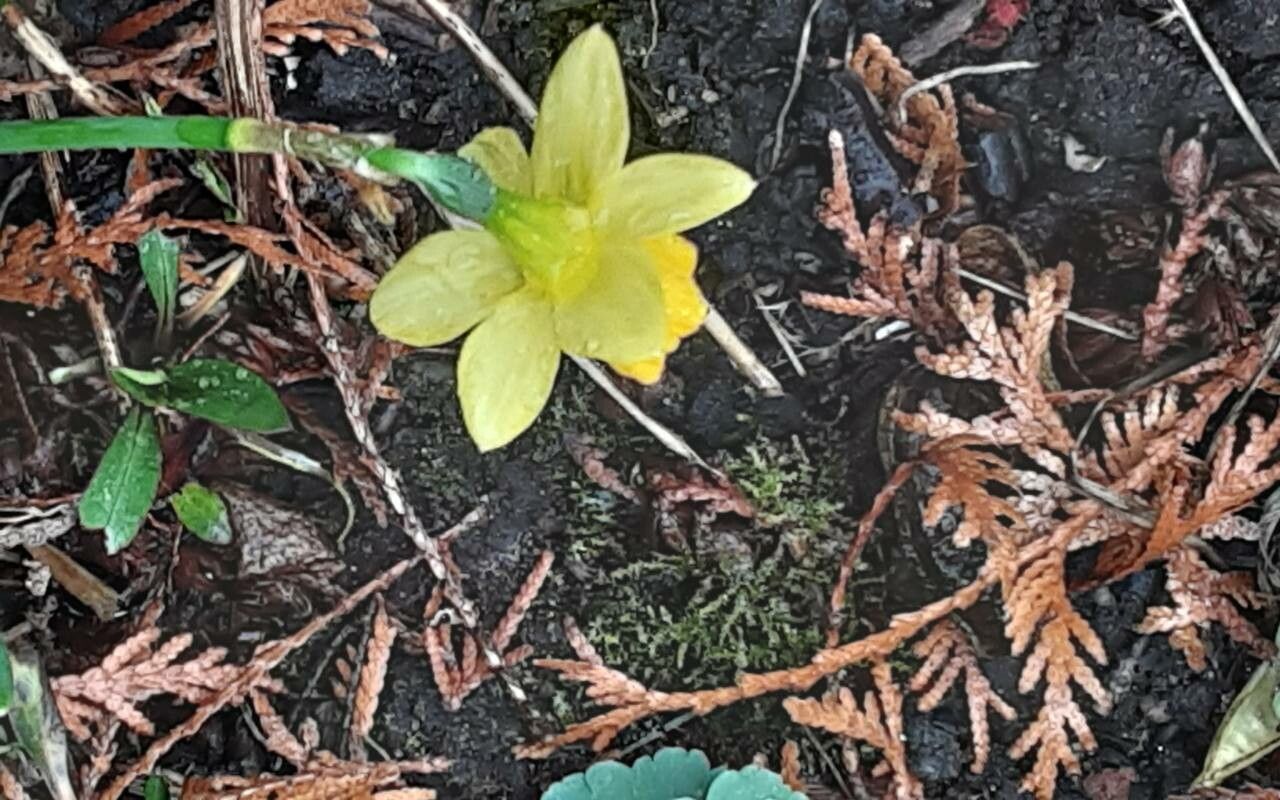
Oh, hello there! Pull up a chair. Let’s chat about something truly special: Narcissus rupicola. You know, those sweet little daffodils that grace rocky outcrops and bring such a delicate charm to early spring. If you’ve ever admired their dainty blooms and thought, “I wish I had more of those!”, then you’ve come to the right place. Propagating them is a wonderfully rewarding way to expand your collection, and I promise, it’s not as daunting as it might seem. While they aren’t as vigorous as some common daffodils, with a little patience and the right approach, you can absolutely succeed with Narcissus rupicola.
The Best Time to Start
For Narcissus rupicola, the magic truly happens after the plant has finished flowering and the foliage has started to die back naturally. This usually happens in late spring or early summer. The energy the bulb has stored during its growth and bloom cycle is now being redirected to bulb development and any new offset bulbs. This is precisely when they are most receptive to being divided and, frankly, the easiest to handle without damaging delicate new growth. Don’t rush it; wait for those leaves to turn yellow and floppy.
Supplies You’ll Need
Don’t worry, we’re not going for anything too fancy here. Here’s what will make your propagation journey smooth sailing:
- A clean trowel or small spade: For gently easing the bulbs out of the soil.
- Sharp pruning shears or an old kitchen knife: Needs to be sterilized to prevent disease transfer between bulbs. A quick wipe with rubbing alcohol works wonders.
- A well-draining potting mix: A good blend for bulbs is key. I often use a mix of sterilized garden soil, coarse sand, and perlite in roughly equal parts. You can also buy specialized bulb compost.
- Small pots or trays: Enough for your new divisions. Make sure they have drainage holes.
- Optional: Rooting hormone powder: While not strictly essential for bulb division, it can sometimes give a little boost.
- Gloves: Especially if you have sensitive skin, or just to keep your hands clean.
Propagation Methods: Division is Key!
For Narcissus rupicola, the most effective and straightforward method is division. Unlike some plants you might take stem cuttings from, daffodils primarily reproduce by splitting their bulbs into offsets.
Here’s how we do it, step-by-step:
- Gently Excavate: With your trowel, carefully dig around the clump of Narcissus rupicola. Try to get under the bulbs and gently lift the entire root ball out of the soil. It’s best to do this when the soil is slightly moist, as it’s less likely to disturb the roots.
- Clean and Inspect: Once the bulb clump is out, gently brush away as much of the old soil as you can, especially around the base of the bulbs. You’ll likely see the main bulb and smaller bulblets attached to its sides or underneath.
- The Gentle Separation: Here’s where your sterilized knife or shears come in. Carefully observe where the smaller bulblets attach to the main bulb. You want to make clean cuts, ensuring each new division has at least one good basal plate (the flat bottom where roots emerge) and a few healthy bud scales. If a bulblet is already well-formed and attached, you can often twist it off gently. If it’s firmly attached, a clean cut is best. Don’t try to force anything apart; a sharp tool is your friend.
- Prepare for Planting: Inspect each division. If you see any signs of rot (mushy, dark areas), carefully trim away the affected parts with your sterilized tool. You can then optionally dip the cut surface or the base of the bulblet in rooting hormone powder. This isn’t a must, but it can help.
- Pot Them Up: Fill your clean pots or trays with your well-draining potting mix. Plant each division so the tip of the bulb is about an inch or two below the soil surface. Make sure they have a little space between them to grow.
- Watering In: Water the pots thoroughly to settle the soil around the bulbs.
The “Secret Sauce” (Pro Tips)
Now, for those little tricks that make a gardener’s life easier and boost success rates:
- The Dusting Technique: If you’re dividing a lot of bulbs and are worried about disease transfer, after cutting and before potting, lightly dust the cut surfaces with sulfur powder. It’s a natural fungicide and can really protect your new divisions from rot.
- Patience with Dormancy: Sometimes, even when we divide, the bulblets might be quite small. Don’t be tempted to keep digging them up to check for roots! Allow them their time to establish. Often, it’s best to let them sit in their pots for a full growing season before planting them out permanently. They’ll build up their reserves and be much stronger.
- Keep Them Cool and Dry (Initially): After potting, it’s a good idea to store your new divisions in a cool, dry, and dark place for a few weeks. This allows them to callous over any minor cuts and encourages root development before they start actively growing. Think of a shaded garden shed or a cool garage.
Aftercare & Troubleshooting
Once your Narcissus rupicola divisions have been potted, there are a few things to keep in mind.
- Watering: Water them thoroughly after potting, as mentioned. Then, keep the soil lightly moist but not soggy. You don’t want them sitting in water. As the weather warms, you might need to water more frequently, but always check the soil moisture first.
- Light: Once you see signs of new growth (a tiny green shoot emerging), gradually introduce them to bright, indirect light. Avoid direct, scorching sun, especially while they are still establishing. They can move to their permanent sunny spot once they look robust.
- Troubleshooting: Rot is the Big One: The most common problem you might encounter is rot. This usually happens from overwatering or if the soil isn’t draining well. Signs include a mushy bulb base, a blackening stem, or a plant that wilts and dies despite being watered. If you suspect rot, gently dig up the bulb. If it’s beyond saving, discard it to prevent it from spreading. If you can salvage part of it by trimming away the rot and allowing it to dry completely before repotting in fresh, dry soil, you might get lucky.
- Little to No Growth: If a division doesn’t show any signs of growth after a few months, it might just be a very shy bulblet, or it might not have had enough stored energy. Don’t despair! Often, these will surprise you the following spring.
A Little Patience Goes a Long Way
Propagating Narcissus rupicola is a journey, not a race. There’s a beautiful quiet anticipation in nurturing these tiny divisions. Be patient, observe them, and celebrate every tiny shoot that emerges. The reward of seeing more of these delicate beauties grace your garden will be so worth it. Happy propagating!
Resource:
https://identify.plantnet.org/k-world-flora/species/Narcissus%20rupicola%20Dufour/data