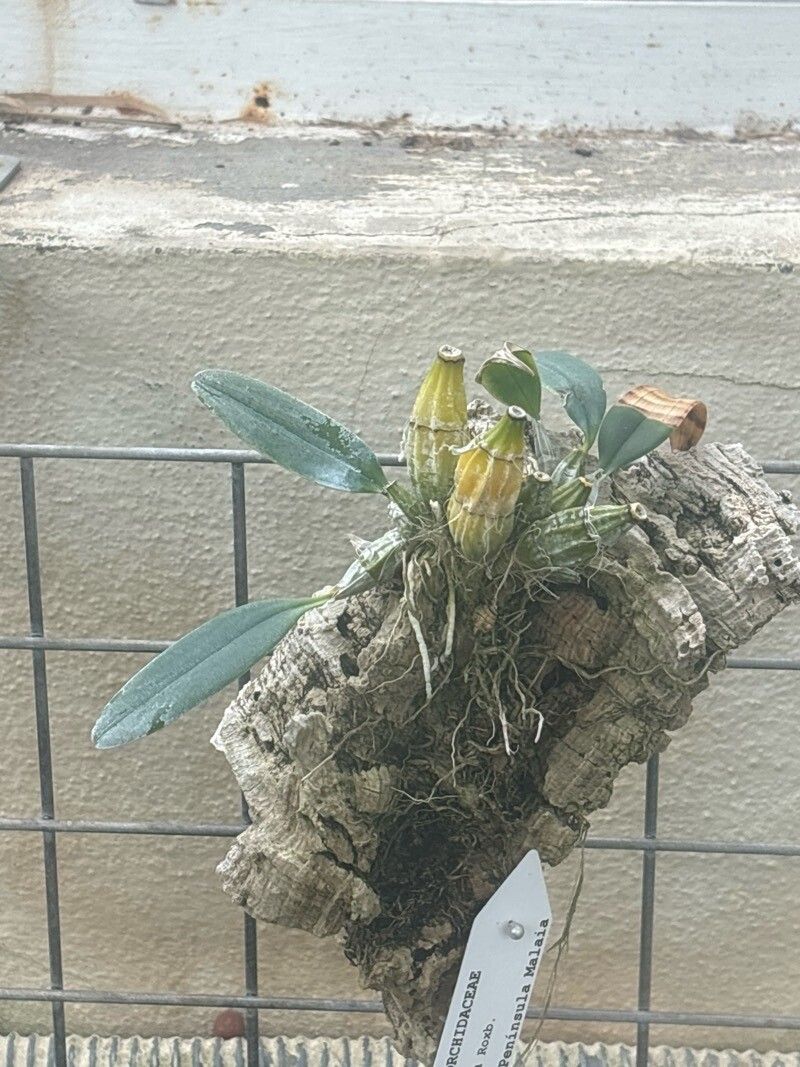
Oh, hello there! So, you’ve fallen for the charm of Maxillaria aggregata? I don’t blame you one bit. Those lovely little pseudobulbs, often crowned with a single, gorgeous bloom, have a way of stealing your heart. And the best part? You can easily multiply that joy. Propagating these beauties is incredibly rewarding. It’s how I’ve filled my own greenhouse over the years, and I’m thrilled to share the secrets with you. Now, for the big question: is it easy for beginners? I’d say it’s moderately easy. With a little patience and the right approach, you’ll be a pro in no time.
The Best Time to Start
When’s the magic window for propagating Maxillaria aggregata? Generally, I find the spring is absolutely the best time. As the plant starts its active growth phase after winter, it’s full of energy and ready to push out new roots. Think of it as its natural time for expansion. Waiting until you see new growth appearing on the pseudobulbs is also a great indicator. This signals that the plant is healthy and has the resources to dedicate to new life.
Supplies You’ll Need
Before we get our hands dirty, let’s gather our tools. This will make the whole process smoother:
- Sharp pruning shears or a clean, sharp knife: For making precise cuts.
- Potting medium: I like a mix of good quality orchid bark, perlite, and a bit of sphagnum moss. For Maxillaria aggregata, something that drains really well is key.
- Small pots or seedling trays: Whatever you have on hand will work, as long as they have drainage holes.
- Cinnamon or a fungicide (optional but recommended): To help prevent rot, especially if you’re a bit heavy-handed with the watering.
- Rooting hormone (optional): Not strictly necessary for this plant, but it can give new cuttings a little boost.
- Watering can with a fine rose or mister: Gentle watering is your friend.
- Clear plastic bag or propagation dome (optional): To create a humid environment for cuttings.
Propagation Methods
Now, for the exciting part – making more Maxillarias! For Maxillaria aggregata, the most successful method I’ve found is division. It’s straightforward and gives you the best chance of success.
Division
This is the star of the show for Maxillaria aggregata. It’s essentially splitting your established plant into smaller, manageable sections.
- Gently remove the plant from its pot. You want to disturb the roots as little as possible. If it’s really stuck, a small knife around the edge can help.
- Carefully tease apart the root ball. You’re looking for natural divisions, usually groups of pseudobulbs that are connected by rhizomes. Don’t force it! If a section doesn’t pull apart easily, it’s not ready.
- Identify your division points. Each section you create should ideally have at least two or three healthy pseudobulbs and a good amount of attached root system. This ensures it has enough stored energy to recover and grow.
- Use your clean shears or knife to make the separation. Make a clean cut through the rhizome if needed. If you’re worried about rot, you can sprinkle a little cinnamon powder on the cut surface. It’s a natural antifungal that works wonders.
- Pot up your new divisions. Plant each section into its own pot using your well-draining orchid mix. Ensure the pseudobulbs are sitting on top of the mix, not buried.
- Water lightly. Just to settle the potting mix around the roots.
The “Secret Sauce” (Pro Tips)
Here are a few things I’ve learned over the years that make a real difference:
- Don’t rush the roots during division. If you see a section that’s just one pseudobulb, it’s unlikely to survive on its own. Wait until it’s got more backing. Those older pseudobulbs are like little powerhouses for the new growth.
- Consider bottom heat. If you have a heat mat designed for seedlings, placing your newly divided plants on it can significantly speed up root development. It mimics those warmer substrate temperatures that orchids love.
- Let them dry slightly between waterings. While they need moisture, Maxillaria aggregata dislikes sitting in soggy conditions. Once the potting medium feels dry to the touch about an inch down, then water thoroughly. This cycle encourages strong root growth.
Aftercare & Troubleshooting
So, your babies are potted! Now what?
Keep them in a bright spot with indirect light. Avoid direct sun, which can scorch those delicate new leaves. Water sparingly at first. You want the potting mix to be moist but not waterlogged. A light misting can also be beneficial, especially if you don’t have a humid environment.
The most common thing you’ll see is rot. If a pseudobulb starts to shrivel rapidly and turns mushy and black, it’s likely rot. This is often due to overwatering or poor air circulation. If you catch it early, you might be able to cut away the rotted part with a clean knife and repot it in fresh, dry mix. If it’s widespread, unfortunately, that division might be lost. Another sign of struggle is wilting leaves, which can also be due to insufficient roots or inconsistent watering.
A Encouraging Closing
Don’t be discouraged if your first attempt isn’t perfect. Gardening is all about learning and observing. Be patient with your new Maxillaria aggregata divisions; they need a little time to settle in and establish themselves. Soon enough, you’ll have the joy of seeing them grow and, eventually, bloom. Happy propagating!
Resource:
https://identify.plantnet.org/k-world-flora/species/Maxillaria%20aggregata%20(Kunth)%20Lindl./data