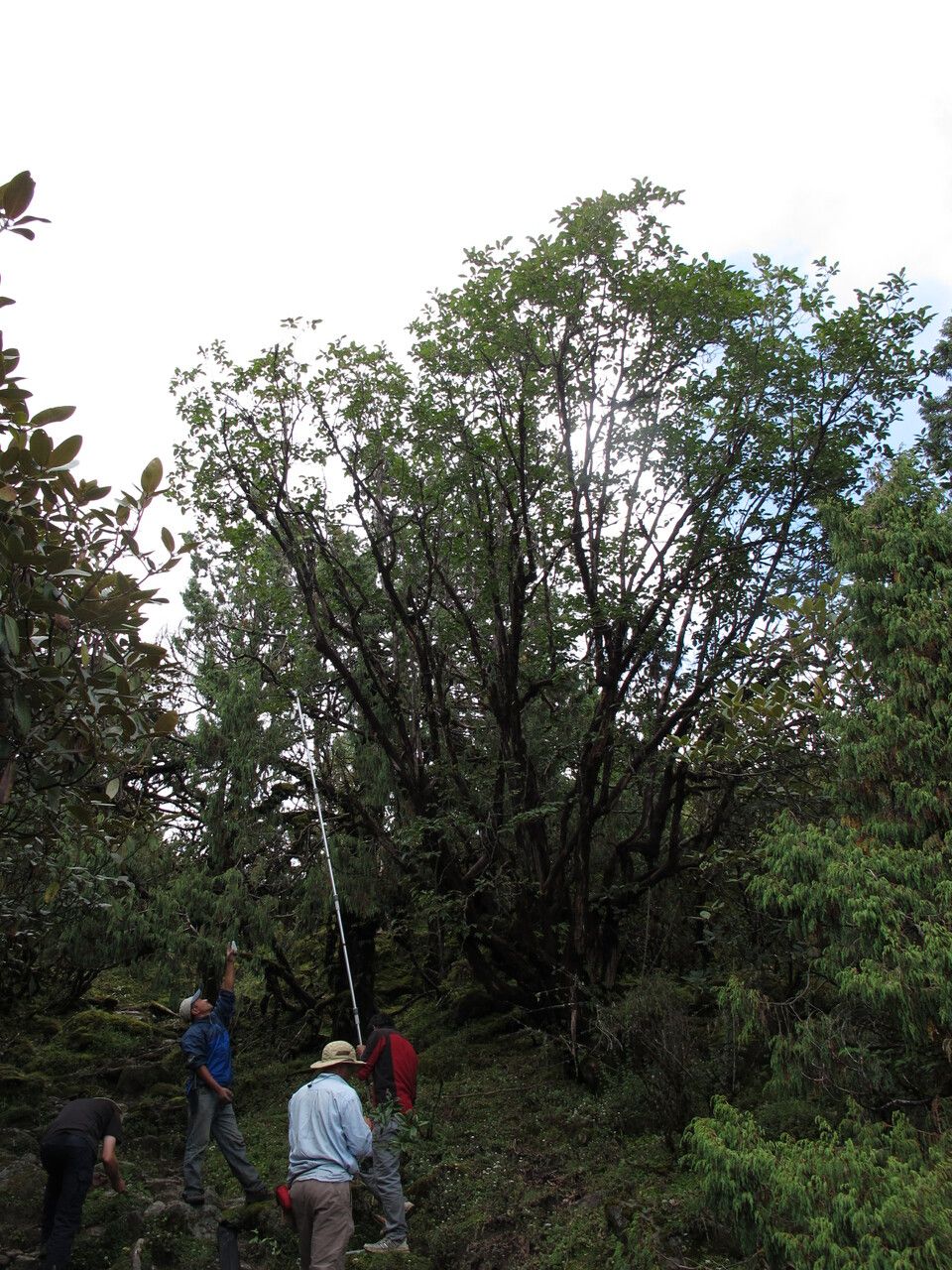
Oh, Lyonia villosa! What a beauty. If you’re looking for a shrub that brings a touch of wild elegance to your garden, with those fabulous bell-shaped flowers and wonderful autumn color, you’ve found it. And the joy of nurturing a brand new plant from a small piece of its parent? Truly special. Now, straight talk from your garden friend: Lyonia villosa can be a little bit of a diva when it comes to propagation. It’s not the easiest plant for a complete beginner, but with a bit of know-how and patience, you can absolutely succeed. Think of it as a delightful challenge that will make your success all the sweeter!
The Best Time to Start
For Lyonia villosa, I’ve found the sweet spot for taking cuttings is late spring to early summer. This is when the plant is actively growing, and you’re looking for new, soft growth. These are often called “softwood cuttings.” Avoid taking cuttings from woody, old stems, or from flowering stems if you can help it. You want vibrant energy, not a plant that’s focused on putting on a show or resting.
Supplies You’ll Need
Gathering your supplies before you start will make the whole process much smoother. Here’s what I usually have on hand:
- Sharp Pruning Shears or a Knife: Cleanliness is key here! A dull tool can crush stems, making them more prone to disease.
- Rooting Hormone (Powder or Gel): This is your best friend here. It significantly boosts your chances of success.
- A Well-Draining Potting Mix: I like a blend of perlite, peat moss, and a bit of coarse sand. You want something airy that won’t hold too much moisture. You can also buy specialized seed starting or propagation mixes.
- Small Pots or a Propagation Tray: Clean, clear pots are great for seeing root development, but any clean container will do.
- Plastic Bags or a propagator lid: To create a humid environment.
- Labels and a Marker: Don’t laugh, but you will forget which plant is which!
- A Watering Can with a Fine Rose: Gently watering is crucial.
Propagation Methods
For Lyonia villosa, stem cuttings are definitely the way to go. It’s reliable and generally gives the best results.
Taking Stem Cuttings
- Select Your Parent Plant: Find a healthy, vigorous Lyonia villosa. Look for stems that have new growth but aren’t flowering or developing seed pods.
- Make Your Cut: Using your sterilized pruning shears or knife, take cuttings that are about 4-6 inches long. Make the cut just below a leaf node (the point where a leaf attaches to the stem). This is where a lot of root hormones naturally occur.
- Prepare the Cutting: Gently remove the lower leaves. You want to expose the stem where roots will form. Leave 2-3 sets of leaves at the top. If the top leaves are very large, you can cut them in half horizontally – this reduces water loss through transpiration.
- Dip in Rooting Hormone: Lightly moisten the cut end of the stem, then dip it into your rooting hormone powder or gel, coating the bottom inch or so. Tap off any excess.
- Plant Your Cuttings: Fill your small pots or tray with your well-draining potting mix, and water it thoroughly until it’s evenly moist but not waterlogged. Make a hole in the soil with a pencil or your finger, and insert the cutting, pressing the soil gently around it to ensure good contact.
The “Secret Sauce” (Pro Tips)
Here are a couple of tricks I’ve learned over the years that really make a difference with fussy plants like Lyonia:
- Think “Humid, Not Wet”: Those leaves shouldn’t be touching the water if you’re using a clear container. If they do, they’ll rot. I often trim leaves that are too close to the soil line. And when you cover your cuttings with a plastic bag or propagator lid, make sure the leaves aren’t touching the plastic either. You’re aiming for a humid microclimate, not a swamp!
- The Magic of Bottom Heat: Lyonia villosa really appreciates a bit of warmth from below. Placing your pots or tray on a heating mat specifically designed for plants can significantly speed up root development. It mimics the warmth of the soil in the growing season. Just make sure it’s not too hot – aim for a gentle warmth, not baking.
Aftercare & Troubleshooting
Once your cuttings are planted, it’s all about consistent care and observation.
- Keep it Humid: Mist your cuttings occasionally (especially if you don’t have a propagator lid) and ensure the soil stays consistently moist but not soggy. The plastic bag or lid will help maintain humidity, but you’ll still need to check the soil moisture.
- Provide Bright, Indirect Light: Find a spot that gets plenty of light but no direct, harsh sun. A bright windowsill is usually perfect.
- Be Patient! This is where patience really comes into play. Rooting can take anywhere from 4-8 weeks, sometimes even longer.
- Checking for Roots: The best way to tell if your cuttings have rooted is to give them a gentle tug. If you feel resistance, that’s a good sign! You can also peek at the drainage holes if you used clear pots – tiny white root tips are a wonderful sight.
- Watch for Rot: The biggest nemesis is overwatering, which leads to rot. If your cuttings look limp, soggy, or are turning black and mushy, it’s likely rot. Often, it’s too late at that point, but in the very early stages, you might try letting them dry out slightly more and improving air circulation. Prevention is key here!
A Encouraging Closing
Propagating Lyonia villosa is a beautiful act of faith in the life cycle of plants. It takes patience, a keen eye, and maybe a little bit of luck, but the reward of watching a new plant unfurl its first true leaves and grow into its own is simply unmatched. Don’t get discouraged if your first few attempts aren’t a roaring success. Every gardener has had their share of fallen soldiers. Just keep learning, keep trying, and most importantly, enjoy the process of nurturing new life. Happy gardening!
Resource: