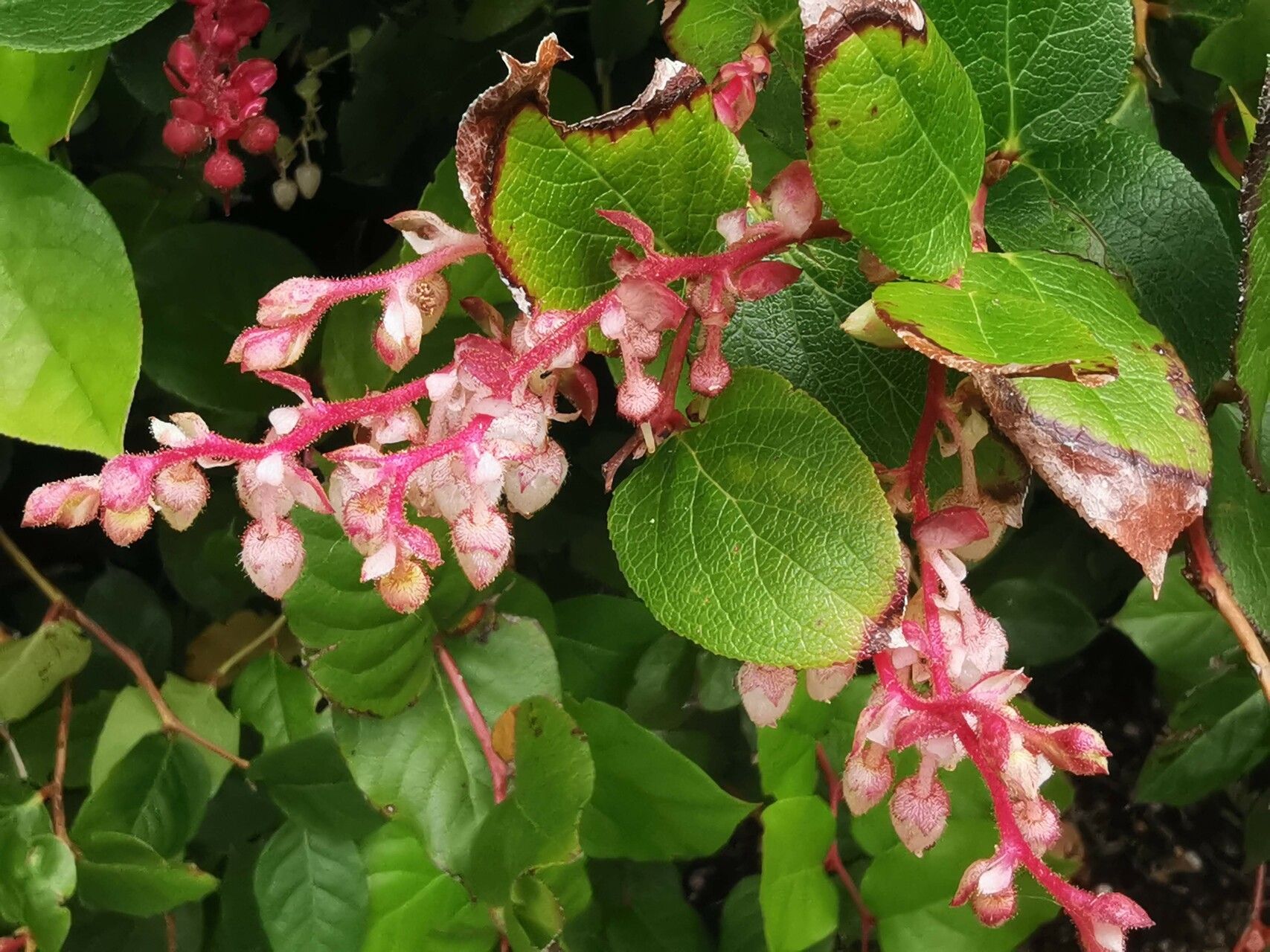
Hello there, fellow plant lovers! It’s wonderful to have you join me today. I want to chat about a real gem in the garden, Gaultheria shallon, often called Salal or Shallon. This beautiful evergreen shrub, with its glossy leaves and charming clusters of bell-shaped flowers followed by tasty berries, brings a touch of wild Pacific Northwest elegance to any landscape. And the best part? You can easily bring more of this beauty into your life by propagating it yourself! I’ve been growing and sharing Salal for two decades, and while it’s not the absolute easiest plant to get started for a complete beginner, it’s certainly very rewarding and quite manageable once you understand a few key things.
The Best Time to Start
For Salal, the magic happens in late spring to early summer. This is when the plant is actively growing, and the stems have matured just enough to have a good chance of rooting. We’re looking for new growth that has started to firm up a bit, not the super soft, floppy new shoots, but also not the old, woody stems from last year. Think of it as the “just right” stage.
Supplies You’ll Need
To get your Salal propagation underway, you’ll want to have these handy:
- Sharp pruning shears or a clean, sharp knife: For making clean cuts. Dull tools can damage the stems.
- Perlite and peat moss or coco coir: A good, well-draining potting mix is crucial. I like a 50/50 blend, or even leaning more towards perlite for excellent aeration.
- Rooting hormone (optional but recommended): This really gives your cuttings a boost. Look for one formulated for woody plants.
- Small pots or propagation trays: Clean containers are a must to prevent disease.
- Plastic bags or a clear propagation dome: To create a humid environment.
- A spray bottle: For misting.
- Gravel or small stones (optional): For the bottom of pots if you’re concerned about drainage.
- A label and marker: To keep track of what you’ve planted and when.
Propagation Methods
Salal is best propagated from stem cuttings. It’s quite straightforward once you get the hang of it.
-
Take Your Cuttings: Head out to your Salal plant in late spring or early summer. Select healthy, semi-hardwood stems that are about 4-6 inches long. Using your sharp shears, make a clean cut just below a leaf node (where a leaf attaches to the stem). Remove the bottom leaves, leaving just a couple of leaves at the very top. This reduces moisture loss and prevents leaves from rotting in the soil. If your cutting is very long, you can gently pinch off the tip to encourage bushier growth later.
-
Prepare the Cuttings: Dip the cut end of each stem into your rooting hormone, tapping off any excess. This step really helps accelerate root development.
-
Plant Your Cuttings: Fill your small pots or trays with your prepared, moistened potting mix. Make a small hole in the center of each pot with a pencil or your finger. Insert the hormone-dipped end of the cutting into the hole, making sure it’s snug. Gently firm the soil around the base of the stem. You can usually fit several cuttings in a larger tray, giving them a little space.
-
Create a Humid Environment: Water the soil lightly, just enough to settle it around the cuttings. Then, cover the pots with a clear plastic bag (making sure the leaves don’t touch the plastic) or place them under a propagation dome. This traps moisture and creates the humid microclimate young cuttings need.
-
Provide the Right Conditions: Place your propagation setup in a bright, indirect light location. Avoid direct sun, which can scorch the delicate cuttings and dry out the humidity dome too quickly. A warm spot is ideal, but you don’t need anything fancy.
The “Secret Sauce” (Pro Tips)
Here are a few tricks I’ve learned over the years that can really make a difference:
- The “Firmness Test”: When you’re selecting your stems, give them a gentle bend. You want a stem that bends slightly but doesn’t snap or feel completely floppy. That “semi-hardwood” stage is key!
- Bottom Heat is Your Friend: If you have the option, placing your propagation tray on a gentle heat mat can significantly speed up root formation. Salal loves a bit of warmth at its base. Just aim for a mild temperature, not scorching hot.
- Don’t Overwater: While humidity is vital, waterlogged soil is the enemy of cuttings. Ensure your mix is well-draining, and only water when the top inch of soil feels slightly dry. It’s better to mist the leaves and the air inside the dome than to drench the soil.
Aftercare & Troubleshooting
Once your cuttings have been planted, check them regularly. You’ll want to mist the leaves and the inside of the dome every few days to maintain humidity. Patience is key here; it can take 6-12 weeks for Salal cuttings to root.
How do you know they’ve rooted? You’ll see some new leaf growth, and importantly, if you very gently tug on a cutting, you’ll feel resistance. Don’t pull them out to check too often though – that can undo all your hard work!
If you see yellowing leaves or mushy stems, it’s a sign of too much moisture and potential rot. Remove any affected cuttings immediately and try to improve air circulation. Sometimes, unfortunately, not all cuttings will make it, and that’s perfectly normal.
Once roots have developed well, you can gradually acclimate your new Salal plants to normal conditions. This means slowly opening the plastic bag or dome for longer periods over a week or two. Then, you can pot them up into slightly larger pots with their permanent potting mix and treat them as young shrubs.
A Encouraging Closing
Watching a tiny cutting transform into a healthy, thriving plant is one of the most satisfying experiences a gardener can have. Propagating Gaultheria shallon is a wonderful way to expand your garden and share the beauty of this incredible plant. Be patient with the process, celebrate every little success, and remember, every experienced gardener started right where you are. Happy propagating!
Resource:
https://identify.plantnet.org/k-world-flora/species/Gaultheria%20shallon%20Pursh/data