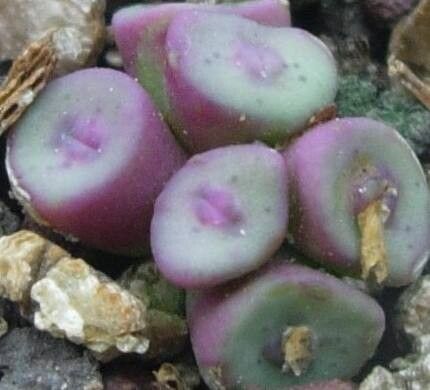
Oh, hello there, fellow plant enthusiast! Pull up a chair and let’s chat about something truly special: propagating Conophytum chrisocruxum. If you’ve ever seen this little gem, with its jewel-like bodies and intricate patterns, you know its charm. It’s like owning tiny living sculptures! Propagating them is a beautiful way to share that charm and, if I’m honest, a little bit of a victory when you see those first tiny roots. Now, for beginners, I’d say Conophytum can be a tad finicky. They aren’t the easiest “chuck it in a pot and forget about it” kind of plant, but the rewards are absolutely worth the extra attention.
The Best Time to Start
Timing is everything with these little guys, just like with most succulents. The absolute sweetest spot for propagating Conophytum chrisocruxum is during its active growing season, which is typically in the fall and winter for many species. This is when they’re drawing in energy, and any new growth or roots will take hold more readily. Avoid doing any major divisions or taking cuttings when they are dormant or about to go into their summer rest.
Supplies You’ll Need
Before we dive in, let’s get our arsenal ready. Here’s what you’ll want to have on hand:
- Well-draining soil mix: I swear by a gritty mix. Think about 50% pumice or perlite mixed with 50% coarse sand or coco coir. You want water to zip through like lightning!
- Sharp, sterilized pruning shears or a clean knife: For making those crucial cuts. Sterilize with rubbing alcohol between each cut to prevent disease.
- Rooting hormone (optional but recommended): A little dip in rooting powder can give those new roots a helpful nudge. Look for one specifically for succulents.
- A clean propagation tray or small pots: Something shallow is often best.
- Watering can with a fine rose or a spray bottle: For gentle watering.
- Labels and a marker: To keep track of what you’ve propagated and when!
Propagation Methods
The most successful way to propagate Conophytum chrisocruxum is through division. These plants naturally form little clumps, and separating them carefully is like giving them more room to flourish.
Division:
- Gently unpot your parent plant. Be kind to those delicate roots!
- Carefully tease apart the clump. You might need to use your fingers or a small, blunt tool to help separate the individual bodies (or “heads”). You’re looking to find natural separation points where roots are already present on each piece.
- Inspect each division. Make sure each piece has at least a few roots attached. If a piece has no roots, it’s still possible to propagate, but it will take longer.
- Allow the cut surfaces to callus. This is SUPER important. Let the divided pieces sit out in a dry, shaded spot for a day or two until the cut ends are completely dry and ‘healed’ over. This prevents rot.
- Pot up your divisions. Place each rooted piece into its own small pot filled with your gritty mix. Don’t plant them too deep – just enough to anchor them.
- Wait to water. Hold off on watering for at least a week. This encourages those existing roots to seek out moisture and for any minor nicks to heal completely.
The “Secret Sauce” (Pro Tips)
Now, for those little nuggets of wisdom that make all the difference:
- Gentle touch is key. When dividing, resist the urge to pull or yank. If a piece isn’t coming away easily, it’s usually not ready. Patience here will save you heartache later.
- Bottom heat is your friend. If you’re propagating in cooler conditions, a seedling heat mat can dramatically speed up root development. Just place your propagation tray or pots on top of it.
- Less is more with water. When you do start watering, water sparingly. It’s far better to err on the side of underwatering than overwatering with these sensitive succulents.
Aftercare & Troubleshooting
Once your divisions are potted up and you’ve waited that crucial week to water, you can start watering very lightly. Give them a gentle drink every couple of weeks during their active growth period, allowing the soil to dry out completely between waterings. You’ll know they’re establishing when you see new growth or the plant plumps up nicely.
Now, what to watch out for? The most common enemy is rot. If you see a division starting to look mushy, discolored, or completely soft, it’s likely rot setting in. This usually happens from overwatering or not allowing those calluses to form properly. Sadly, if rot takes hold, it’s very difficult to save the affected piece. Prevention is truly the best cure here. Another sign that things aren’t going well is if the plant just continues to shrivel and dry out without any sign of new growth for an extended period, which could indicate a lack of moisture or poor root development.
A Encouraging Closing
Propagating Conophytum chrisocruxum is a journey of observation and a little bit of faith. Don’t get discouraged if your first attempt isn’t perfect. Each little plant you nurture into new life is a testament to your growing skills and your love for these miniature treasures. Be patient, enjoy the process, and soon you’ll have a whole collection of these delightful little succulents to admire! Happy growing!
Resource:
https://identify.plantnet.org/k-world-flora/species/Conophytum%20chrisocruxum%20S.A.Hammer/data