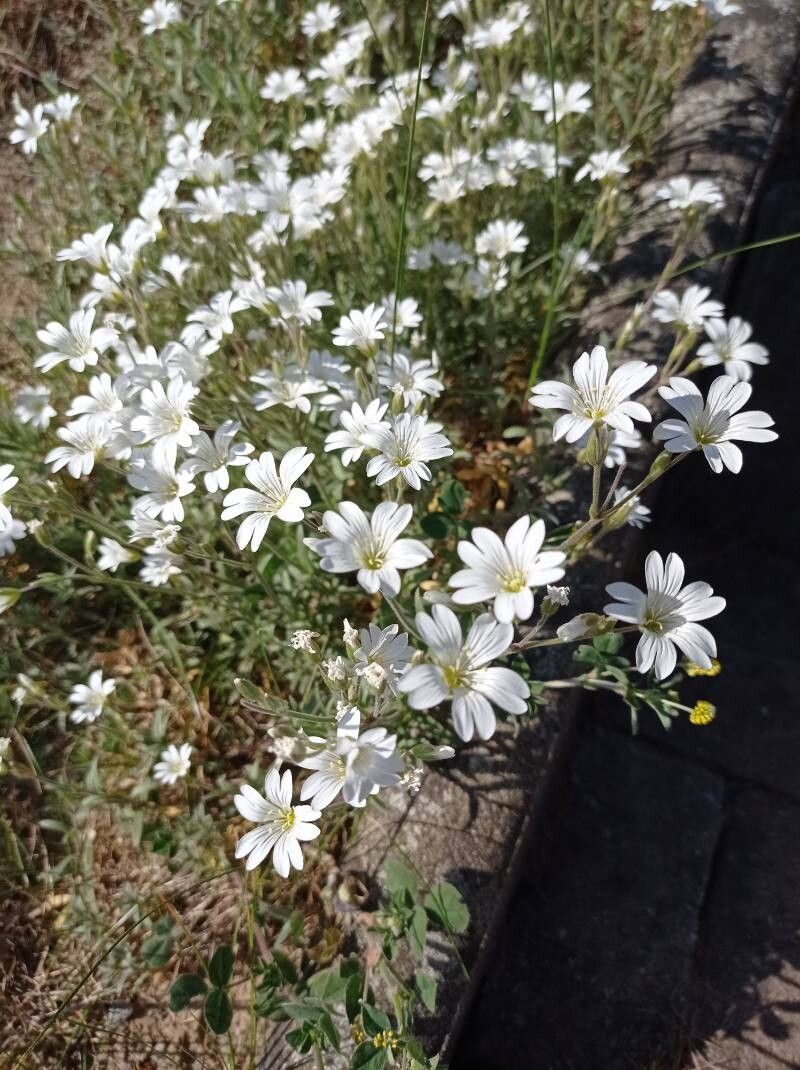
Oh, Cerastium soleirolii! What a delightful plant to have gracing your garden paths or spilling over a rock wall. Also known as the Corsican sandwort, it’s that lovely, low-growing carpet of tiny, silver-green leaves, punctuated by delicate white star-shaped flowers in late spring and early summer. It brings such a sweet, soft texture to the garden, almost like a living moss, but it’s so much more resilient.
If you’ve fallen for this beauty, I have good news for you. Propagating it is surprisingly straightforward, making it a fantastic project for even those of you just starting out with plant propagation. There’s a unique satisfaction in seeing your own cuttings take root and become new plants, isn’t there? It’s like creating little pieces of your garden to share or to fill in those bare spots.
The Best Time to Start
For Cerastium soleirolii, the sweet spot for propagation is generally late spring through early summer. This is when the plant is actively growing and has plenty of fresh, healthy material to work with. You’ll want to take cuttings from stems that are semi-hardwood – they’re not the brand-new, soft, floppy growth, but they’re also not tough and woody. Think of it as that moment when a stem is firm enough to snap cleanly but still has some flexibility.
Supplies You’ll Need
Gathering your supplies beforehand makes the whole process much smoother. Here’s what I usually have on hand:
- Sharp pruning shears or a clean, sharp knife: For making clean cuts, which helps prevent disease.
- Small pots or seed trays: Clean ones are essential!
- A lightweight, well-draining potting mix: I like a mix of equal parts perlite and peat moss or coco coir. This ensures good aeration and prevents waterlogging, which is a common pitfall. You can also buy a seed-starting mix.
- Rooting hormone (optional but recommended): This can give your cuttings a little boost and increase your success rate. I prefer ones with a good amount of IBA.
- A watering can or spray bottle: For gentle watering.
- Clear plastic bags or domes: To create a humid environment around your cuttings.
- Labels: So you don’t forget what you’ve propagated!
Propagation Methods
It’s nice to have options, and Cerastium soleirolii is amenable to a couple of easy methods.
Stem Cuttings
This is my go-to for this plant. It’s reliable and yields multiple new plants from a single mother specimen.
- Take your cuttings: Look for healthy stems and make cuttings that are about 3-4 inches long. Using your sharp shears, make a clean cut just below a leaf node (where a leaf attaches to the stem). Remove any lower leaves, leaving just a couple of leaves at the top.
- Prepare the cuttings: If you’re using rooting hormone, lightly dip the cut end into the powder, tapping off any excess.
- Plant the cuttings: Fill your small pots with the prepared potting mix and gently water it so it’s evenly moist but not soggy. Make a small hole with your finger or a pencil and insert the cutting, ensuring the leaf nodes are buried as much as possible. Gently firm the soil around the stem.
- Create humidity: Water the soil lightly again. Then, cover the pot with a clear plastic bag, propping it up with a few small sticks so it doesn’t touch the leaves, or place it under a clear plastic dome.
- Place and wait: Put the pots in a bright spot that doesn’t get direct, harsh sunlight. Keep the soil consistently moist.
Division
This is a great way to rejuvenate an existing clump and get new plants all at once. If you have a mature, slightly sprawling plant, division is perfect.
- Gently unearth the plant: In the spring or early fall, carefully dig up your Cerastium soleirolii.
- Separate the root ball: You can do this by hand or with a clean spade. Look for natural breaks in the root system where you can gently pull or cut apart sections of the plant, ensuring each new division has a healthy root system and some foliage.
- Replant immediately: Plant each division as you would a new plant, into your well-prepared, well-draining soil. Water them in well.
The “Secret Sauce” (Pro Tips)
Here are a few little tricks I’ve picked up over the years that can really make a difference:
- Don’t let the leaves touch the water: If you’re doing water propagation (though I find stem cuttings in soil more successful for this one), make sure the leaves are above the waterline. Rotting leaves will contaminate the water and harm your cuttings. For soil cuttings, it’s about preventing the leaves from sitting on saturated soil, which leads to rot.
- Bottom heat is a game-changer: For stem cuttings, placing your pots on a gentle heat mat can significantly speed up root development. This mimics the warmth of spring soil and really encourages those roots to form. Just make sure the heat isn’t too intense; you don’t want to cook your cuttings!
Aftercare & Troubleshooting
Once your cuttings have started to grow – you’ll see new leaves appearing, which is a good sign of root development – you can start to gradually acclimate them to lower humidity. This means opening the plastic bags a little bit each day, or removing the dome for longer periods. Once they look robust, you can remove the cover entirely. You can then also carefully transplant them into slightly larger pots if they’ve outgrown their starter pots.
The most common issue you’ll encounter is rot. If your cuttings turn black and mushy, or the soil seems constantly waterlogged, you’ve likely got too much moisture and not enough airflow. Always err on the side of slightly too dry rather than too wet. If you see signs of rot, try to remove the affected cutting immediately and ensure the remaining soil has better drainage. Also, watch out for wilting. This can be a sign of stress or insufficient roots, but sometimes it’s just the plant adjusting. Consistent moisture and humidity help with this.
A Gentle Encouraging Closing
So there you have it! Cerastium soleirolii is a charming plant that’s quite forgiving when it comes to propagation. Be patient with your cuttings; they have their own timeline. Enjoy the process, the little wins, and soon you’ll have little gardens of Corsican sandwort to admire and perhaps even share with fellow plant lovers. Happy gardening!
Resource:
https://identify.plantnet.org/k-world-flora/species/Cerastium%20soleirolii%20Ser.%20ex%20Duby/data