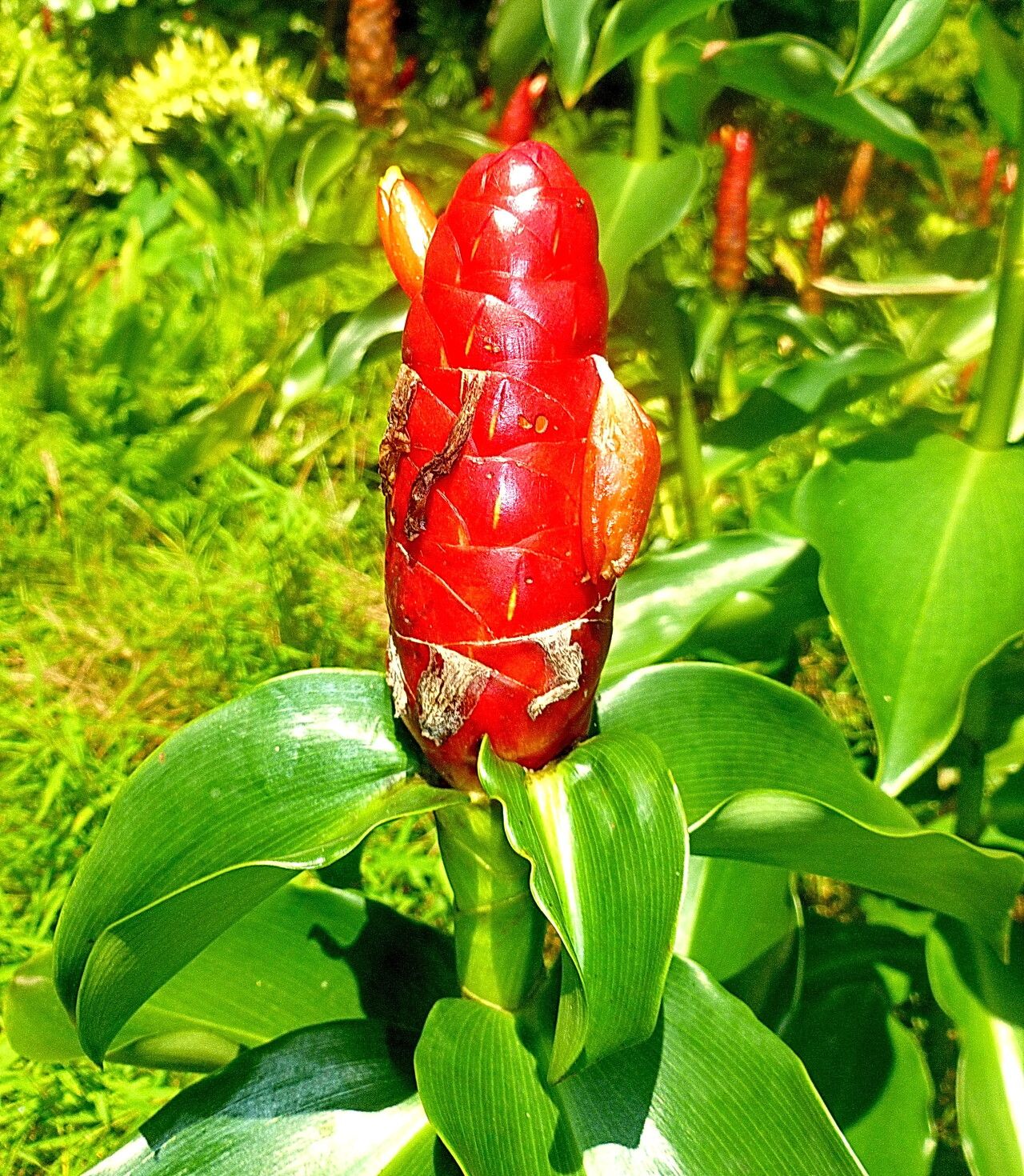
Oh, hello there! It’s so lovely you’re looking to dive into the wonderful world of propagating Zingiber zerumbet, or as many of us lovingly call it, the shampoo ginger. I’ve spent years growing this beauty in my own garden, and let me tell you, there’s a special kind of magic in watching a new plant emerge from a piece of an old one.
The shampoo ginger is just fascinating. Those gorgeous, cone-shaped bracts that emerge in late summer or fall? They’re filled with a clear, fragrant liquid that smells just like natural shampoo. It’s a real showstopper and brings such a tropical feel. Propagating it is not only rewarding because you get more of this delightful plant (perfect for sharing with friends!), but it’s also a fantastic way to understand its growth cycle. And for beginners? I’d say Zingiber zerumbet is quite welcoming. It’s not overly fussy, which is always a good sign for newcomers to propagation.
The Best Time to Start
The absolute sweet spot for propagating Zingiber zerumbet is during its active growing season. This typically means late spring through early summer. You want the plant to have plenty of energy to push out new roots and shoots. Waiting until after the initial flush of growth, when the plant is strong and vigorous, gives you the best chance of success.
Supplies You’ll Need
Here’s a little toolkit to get you started. Don’t feel like you need the fanciest items; good quality basics will do the trick:
- Sharp Pruning Shears or a Clean Knife: For making clean cuts.
- Potting Mix: A well-draining mix is essential. I like a blend of peat moss, perlite, and a bit of compost. You can also use a specific seed starting mix or a cactus/succulent mix thinned out with perlite.
- Pots or Trays: Small pots for individual cuttings, or shallow trays if you’re doing multiple divisions. Ensure they have drainage holes.
- Rooting Hormone (Optional but Recommended): A powdered or liquid hormone can really give your cuttings a boost.
- Watering Can or Spray Bottle: For gentle watering.
- Labels and a Marker: To keep track of what you’ve planted and when.
- Warm Location or Heat Mat (Optional): Some warmth from below can speed things up significantly.
Propagation Methods
The most common and easiest way to propagate Zingiber zerumbet is through division. This plant grows from rhizomes, which are like underground stems. As the plant matures, these rhizomes will spread and produce new shoots.
Method: Rhizome Division
- Gently Excavate: With your hands or a trowel, carefully dig around the base of your mature shampoo ginger plant. You’re aiming to expose the rhizomes without damaging them too much.
- Identify Nodes and Eyes: Look for the fleshy rhizomes. You’ll see thickened areas where roots attach and smaller bumps that are dormant buds, often called “eyes.” Each piece you cut needs to have at least one of these nodes and ideally an eye.
- Make the Cut: Using your clean pruning shears or knife, separate healthy sections of rhizome. Aim for pieces that are at least 3-4 inches long and have at least one good “eye” and some attached roots. If the rhizome is particularly thick, you might need to use a bit more force, but try to cut cleanly.
- Allow to Slightly Dry (Optional): Some gardeners like to let the cuts callus over for a day or two in a dry, shaded spot. This helps prevent rot when you plant them. It’s not strictly necessary for Zingiber zerumbet, but it doesn’t hurt.
- Planting: Fill your pots or trays with your well-draining potting mix. Make a hole in the soil. Plant the rhizome piece horizontally or slightly angled with the “eyes” pointing upwards. Ensure the roots are covered with soil. The top of the rhizome should be just barely covered, or even slightly exposed in some cases.
- Water Gently: Water the potting mix thoroughly but gently. You don’t want to wash away the soil.
The “Secret Sauce” (Pro Tips)
Here are a couple of things I’ve learned over the years that make a real difference:
- Don’t Drown Your Divisions: While they need moisture, soggy soil is the enemy of rhizomes. The cuttings can rot before they even think about rooting. Allowing the mix to dry out slightly between waterings is key. I tend to water when the top inch of soil feels dry to the touch.
- Bottom Heat is Your Friend: Zingiber zerumbet loves warmth to encourage root development. Placing your pots on a gentle heat mat (the kind used for seedlings) can significantly speed up the process and increase your success rate. You don’t want it hot, just a nice, cozy warmth.
Aftercare & Troubleshooting
Once your rhizomes are planted, be patient!
- Initial Watering: Water well after planting. Then, water sparingly until you see signs of new growth. The rhizome has stored energy.
- Warmth and Light: Keep the pots in a warm location with bright, indirect light. Avoid direct, scorching sun, especially while they’re establishing.
- Signs of Success: You’ll know it’s working when you start to see new shoots emerging from the soil. This can take anywhere from a few weeks to a couple of months, depending on the conditions.
- Troubleshooting – Rot: The most common problem you’ll encounter is rot. If your rhizome looks mushy, smells bad, or has turned black and slimy, it’s likely rotted. This is usually due to overwatering or poor drainage. If you catch it early, you might be able to cut away the rotten parts and try again, but often, it’s best to start over with a fresh cutting.
- Troubleshooting – No Growth: If you don’t see any growth after a couple of months, don’t despair entirely. Check the rhizome if you can without disturbing it too much. Is it still firm? If so, it might just be slow to wake up. Consistent warmth and just enough moisture are the best bets.
A Little Encouragement
Propagating plants is a journey, and sometimes there are a few bumps in the road. But don’t let that deter you. Watching those first tiny leaves unfurl from your own division is such a wonderfully fulfilling experience. Be patient, enjoy the process, and soon you’ll have more lovely shampoo ginger to brighten your space and share with others. Happy growing!
Resource: