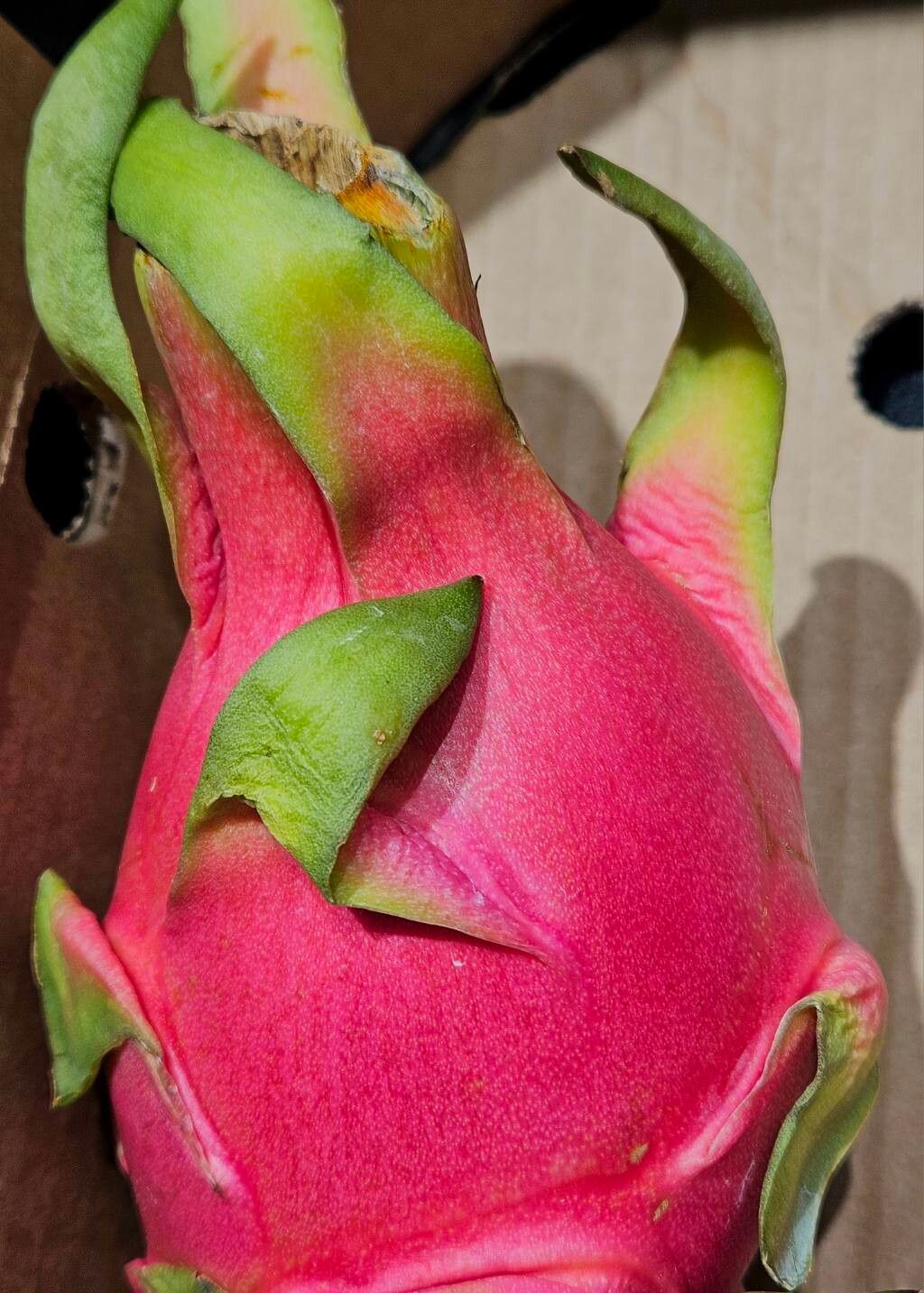
Hello there, fellow plant enthusiasts! Today, we’re diving into the fascinating world of Selenicereus undatus, more commonly known as the Dragon Fruit cactus or Queen of the Night. I’ve spent years with these beauties, and let me tell you, there’s a special kind of joy in watching a tiny cutting transform into a magnificent plant that might even grace you with its stunning, ephemeral night-blooming flowers and, if you’re lucky, delicious fruit.
If you’re new to the propagation game, you’ll be happy to hear that Selenicereus undatus is generally quite forgiving. It’s a rewarding plant to get started with, and I always encourage beginners to give it a go. There’s a real sense of accomplishment when you successfully multiply your green collection.
The Best Time to Start
For the best results, aim to propagate your Selenicereus undatus during its active growing season. This typically falls in late spring through early summer. The plant is energized and has more reserves to put into root development. You’ll want to take cuttings from healthy, mature stems that aren’t actively flowering or fruiting.
Supplies You’ll Need
Here’s a handy list of what you’ll want to have on hand:
- Sharp Pruning Shears or a Clean Knife: For making clean cuts.
- Rooting Hormone (Optional but Recommended): A powder or gel that encourages faster root formation.
- Well-Draining Potting Mix: A cactus/succulent mix is perfect. You can also make your own by combining equal parts potting soil, perlite, and coarse sand.
- Pots or Containers: Small pots (4-6 inch) with drainage holes are ideal.
- Watering Can or Spray Bottle: For gentle watering.
- Gloves (Optional): While not thorny, the stems can be a bit unwieldy.
Propagation Methods
The easiest and most common way to propagate Selenicereus undatus is through stem cuttings. It’s quite straightforward, really!
-
Take Your Cuttings: Using your sharp pruning shears or knife, select a healthy piece of stem that’s at least 6-12 inches long. Make a clean cut. You can take multiple cuttings from a single healthy stem.
-
Allow to Callus: This is a crucial step! Lay your cuttings on a dry, clean surface in a well-ventilated area for 2-5 days, or until the cut end has completely dried and formed a callus. This prevents rot when you plant them.
-
Apply Rooting Hormone (Optional): Once callused, dip the cut end into your rooting hormone powder or gel. Tap off any excess.
-
Plant Your Cuttings: Fill your pots with your well-draining potting mix. Make a small hole in the center of the soil with your finger or a pencil. Insert the callused end of the cutting into the hole, about 1-2 inches deep, and gently firm the soil around it. If you have multiple cuttings, plant them in separate pots or space them a few inches apart in a larger container.
-
Water Sparingly: Give the soil a light watering to settle it around the cutting. Don’t drench it. You want the soil to be barely moist.
The “Secret Sauce” (Pro Tips)
I’ve learned a few things over the years that really make a difference:
- Don’t Rush the Callusing: I cannot stress this enough. A well-callused cutting is a happy cutting. If you plant it too soon, especially in moist soil, you’re practically inviting rot to take hold.
- Bottom Heat is Your Friend: If your climate tends to be cooler, consider using a heat mat placed under your pots. This warmth from below encourages root development much faster. Just ensure the heat isn’t so intense that it dries out the soil too quickly.
- Patience with Watering: It’s so tempting to water frequently, but Selenicereus undatus cuttings prefer to be on the drier side until they establish roots. Water only when the top inch of soil feels dry to the touch. Overwatering is the most common killer of new cuttings.
Aftercare & Troubleshooting
Once your cuttings have been in the soil for a few weeks, you can check for roots by gently tugging on the stem. If there’s resistance, congratulations, you have roots!
Continue to water sparingly, allowing the soil to dry out between waterings. As the plant grows, you can gradually increase watering frequency, but always ensure excellent drainage.
The biggest challenge you might face is rot. If you notice your cutting becoming mushy, blackening, or collapsing, it’s likely due to overwatering or not allowing it to callus properly. If you catch it early, you might be able to salvage it by cutting away the rotten parts and re-callusing the healthy stem before trying again. Don’t be discouraged if your first attempt isn’t perfect; it happens to all of us!
A Gentle Encouragement
Propagating Selenicereus undatus is a wonderful journey. It teaches you about patience and observation. So take a deep breath, enjoy the process, and remember that every little green shoot is a testament to nature’s resilience and your growing gardening prowess. Happy propagating!
Resource:
https://identify.plantnet.org/k-world-flora/species/Selenicereus%20undatus%20(Haw.)%20D.R.Hunt/data