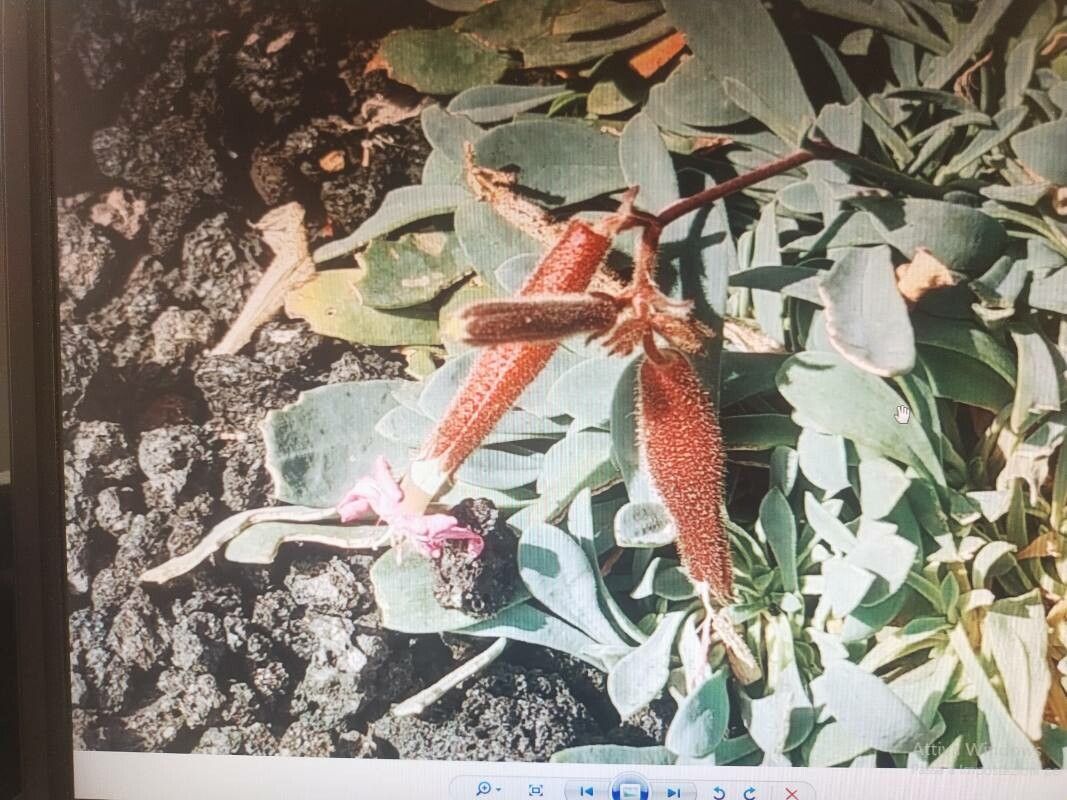
Oh, hello there! I’m so glad you stopped by. Today, we’re going to talk about a real garden gem, Saponaria sicula. If you’re looking for a plant that brings a lovely splash of color and isn’t too fussy, this is it. It’s a fantastic, low-growing perennial that carpets the ground with sweet, delicate pink flowers, often for a good long stretch of the summer. Best of all, propagating it is a joy, and I think even beginner gardeners will find this a really rewarding experience. It’s genuinely quite straightforward!
The Best Time to Start
For Saponaria sicula, the absolute sweet spot for propagation is in late spring to early summer. This is when the plant is in its active growing phase, which means cuttings will be full of vigor and much more likely to root successfully. You’re basically working with a plant that’s brimming with energy at this time.
Supplies You’ll Need
Gathering your supplies beforehand makes the whole process so much smoother. Here’s what I usually grab:
- Sharp pruning shears or a clean knife: Accuracy is key here.
- A good quality potting mix: I often use a mix of peat moss and perlite for excellent drainage. Some people like to add a bit of sand too.
- Small pots or seed trays: Whatever you have on hand will likely work. Ensure they have drainage holes!
- Rooting hormone (optional but recommended): This gives your cuttings a little extra boost.
- A misting bottle: For keeping things consistently humid.
- A small trowel or dibber: For making little planting holes.
- Labels: So you don’t forget what you planted where!
Propagation Methods
Saponaria sicula is wonderfully amenable to propagation, and I find stem cuttings to be the most reliable and easiest method.
Stem Cuttings:
- Select your parent plant: Find a healthy, non-flowering stem on your Saponaria sicula.
- Take your cuttings: Using your clean shears or knife, snip off a piece of stem about 4-6 inches long. Make the cut just below a leaf node (that little bump where leaves emerge).
- Prepare the cuttings: Gently remove the lower leaves from the bottom half of the cutting. You want to leave just a couple of leaves at the top. This prevents the leaves from rotting when they’re in the soil.
- Apply rooting hormone (optional): Dip the cut end of the stem into your rooting hormone powder. Tap off any excess.
- Plant the cuttings: Fill your small pots with your potting mix. Use your dibber or trowel to make a hole in the center. Carefully insert the cut end of your Saponaria sicula cutting into the hole, ensuring the leaf nodes you removed are below the soil line. Gently firm the soil around the cutting.
- Water and cover: Water the soil thoroughly but gently. Then, I like to cover the pot loosely with a clear plastic bag or place it inside a propagator. This creates a mini-greenhouse effect, keeping humidity high.
The “Secret Sauce” (Pro Tips)
Now for a couple of little tricks I’ve learned over the years that make a difference:
- Don’t overcrowd your cuttings: Give each cutting a bit of breathing room in its pot. Too much crowding means less air circulation, which can invite fungal issues.
- Bottom heat is your friend: If you have a heated propagator or can place your pots on a sunny windowsill that also has a bit of warmth radiating from below (like near a radiator, but not on it!), this will significantly speed up root development. That gentle warmth encourages those roots to reach out.
Aftercare & Troubleshooting
Once your cuttings are planted, the waiting game begins!
- Keep them moist: Check the soil regularly. It should be consistently moist but not waterlogged. Mist the cuttings if they look dry.
- Provide bright, indirect light: Keep them out of harsh, direct sun, which can scorch delicate new growth. A bright windowsill is usually perfect.
- Check for roots: After about 3-4 weeks, you can gently tug on a cutting. If it offers resistance, you’ve got roots! You’ll also start to see new little leaves emerging.
- Signs of trouble: The most common problem is rot. If your cuttings turn mushy or black, it’s usually a sign of too much moisture and not enough air circulation. If you see this happening, pull out the affected cutting immediately. Sometimes, a bit of damping off can occur, which is why good drainage and avoiding overwatering are so vital.
A Encouraging Closing
Propagating Saponaria sicula is such a satisfying way to expand your garden or share these lovely plants with friends. Be patient with the process – nature has its own rhythm. Enjoy the journey of nurturing these little plants, and before you know it, you’ll have a whole collection blooming for you. Happy gardening!
Resource:
https://identify.plantnet.org/k-world-flora/species/Saponaria%20sicula%20Raf./data