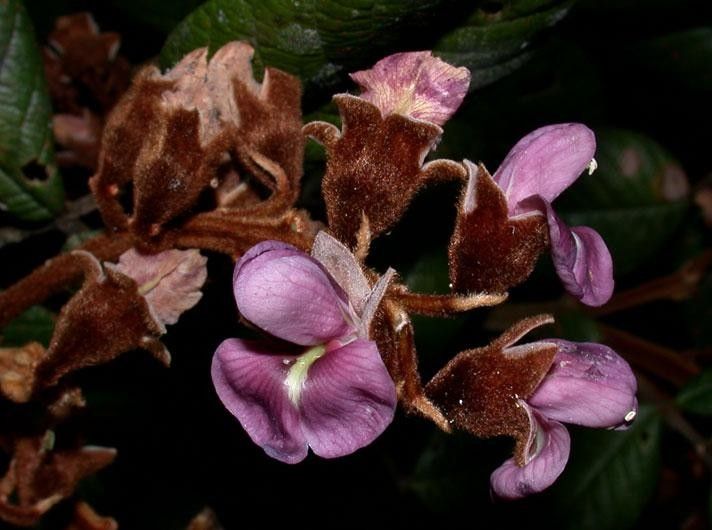
Hey there, fellow plant enthusiasts! I’m so excited to chat with you today about a truly special plant: Ormosia velutina. You know that feeling when you see a plant with lush, velvety leaves and a gorgeous, almost architectural form? That’s Ormosia velutina for you. It’s a real stunner, and honestly, propagating it yourself is incredibly rewarding. You get to witness that tiny bit of magic turning into a whole new plant. Now, I won’t lie, Ormosia velutina can be a tad bit fussy compared to, say, a pothos. It’s not necessarily beginner-level, but with a little care and attention, you can absolutely succeed.
The Best Time to Start
For the highest chance of success with Ormosia velutina, I always aim to propagate in the late spring or early summer. This is when the plant is in its active growing phase. New growth is plump and full of energy, which translates to a better chance of rooting. Think of it as giving your cuttings the best possible start on their new journey.
Supplies You’ll Need
Before we get our hands dirty, let’s gather our trusty tools:
- Sharp Pruning Shears or a Clean Knife: For making clean cuts.
- Rooting Hormone (Optional but Recommended): A powder or gel that helps cuttings develop roots faster.
- Potting Mix: A well-draining blend is crucial. I like to use a mix of perlite and peat moss (about a 50/50 ratio) or a good quality seedling mix.
- Small Pots or Containers: Clean ones, of course! Yogurt cups with drainage holes poked in work just fine.
- Plastic Bag or Propagation Dome: To create a humid microclimate.
- Watering Can with a Fine Rose: For gentle watering.
- Labeling Stakes: To keep track of what you’ve planted where.
Propagation Methods
Ormosia velutina is best propagated from stem cuttings. It’s the most reliable method I’ve found for this particular beauty.
- Select Your Cuttings: Gently inspect your Ormosia velutina and look for healthy, semi-hardwood stems. These are stems that are no longer bright green and floppy, but not yet woody and hard. Aim for cuttings that are about 4-6 inches long and have at least two sets of leaves.
- Make the Cut: Using your sharp shears or knife, make a clean, angled cut just below a leaf node. A leaf node is where a leaf emerges from the stem. This is where the plant will likely sprout roots.
- Prepare the Cutting: Remove the lower leaves from the cutting, leaving only the top two to four leaves. If any of the remaining leaves are very large, you can cut them in half to reduce water loss.
- Apply Rooting Hormone (Optional): Dip the cut end of the stem into your rooting hormone, tapping off any excess. This is like giving your cutting a little boost of encouragement for root development.
- Plant Your Cuttings: Fill your small pots with your prepared potting mix. Gently insert the cutting into the mix, making sure the leaf node where you made the cut is buried. You can plant several cuttings in one pot, but give them a little space.
- Water Gently: Use your watering can with a fine rose to lightly water the potting mix until it’s evenly moist but not waterlogged. You don’t want to wash away that rooting hormone!
- Create Humidity: Now, this is key! Cover the pot loosely with a plastic bag or place it under a propagation dome. This creates a humid environment, which is crucial for stem cuttings to root. Make sure the leaves don’t touch the plastic if possible.
The “Secret Sauce” (Pro Tips)
Here are a couple of things I’ve learned over the years that can really make a difference:
- Bottom Heat is Your Friend: If you have a heat mat, placing your potted cuttings on it can significantly speed up the rooting process. It mimics the warmth of the soil the plant would naturally grow in. Just make sure the heat isn’t too intense.
- Don’t Drown Your Dreams: While humidity is important, overwatering is the kiss of death for cuttings. The potting mix should feel consistently moist, not soggy. Too much water can lead to rot before roots even have a chance to form. Check the moisture level regularly.
Aftercare & Troubleshooting
Once your cuttings are happily potted, find them a spot that receives bright, indirect light. Avoid direct sun, as it can scorch those delicate new leaves. Keep the humidity up by misting occasionally, especially if you’re not using a dome.
You’ll know your cuttings are rooting when you see new leaf growth emerge. You can also give them a gentle tug – if there’s resistance, roots have formed! This can take anywhere from 4 to 8 weeks, sometimes longer. Be patient!
The most common problem you might encounter is rot. If you see your cuttings turning mushy, black, and smelling unpleasant, it’s usually a sign of too much moisture and a lack of air circulation. If this happens, unfortunately, it’s best to discard the affected cuttings and start again, ensuring your potting mix is well-draining and you’re not overwatering. Sometimes, a cutting just doesn’t take, and that’s part of the learning curve. Don’t get discouraged!
Happy Propagating!
Taking cuttings from your beloved Ormosia velutina is a wonderful way to multiply your collection and share the beauty of this plant. It requires a little bit of patience and attention to detail, but the satisfaction of watching those roots develop and new growth emerge is truly immense. So grab your shears, embrace the process, and happy propagating!
Resource:
https://identify.plantnet.org/k-world-flora/species/Ormosia%20velutina%20Rudol/data