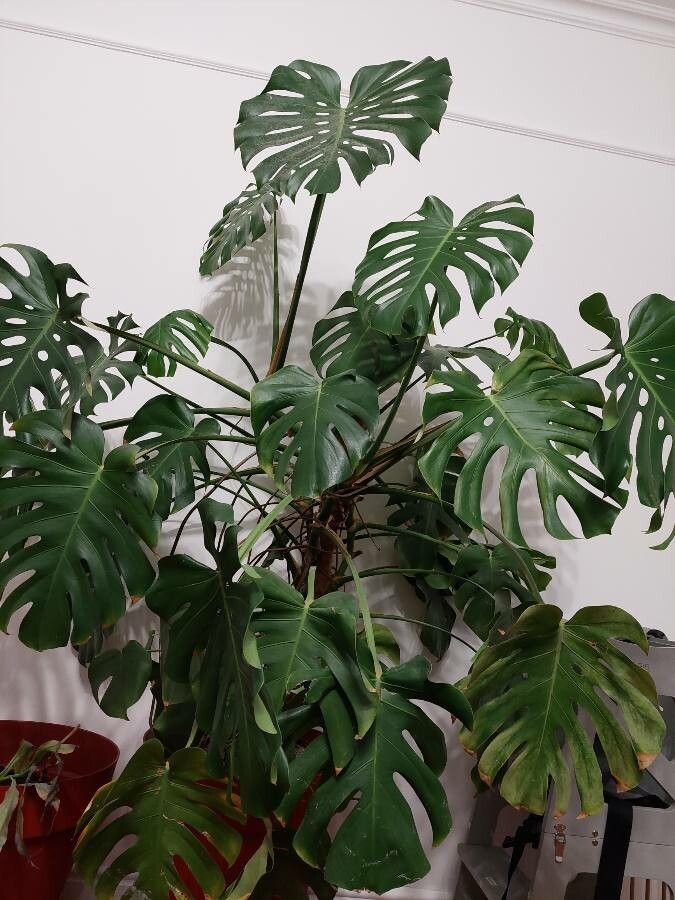
Hey there, fellow plant lovers! I’m so excited to chat with you today about one of my absolute favorite houseplants: the Monstera deliciosa. You know, the one with those incredible, split leaves that just scream “tropical paradise”?
There’s something incredibly satisfying about watching a new plant come to life from a piece of an existing one. It’s like magic! And the good news is, propagating Monstera deliciosa is actually quite beginner-friendly. So, if you’ve been admiring these beauties and wishing you had more, or perhaps want to share the green love with a friend, you’ve come to the right place. Let’s get growing!
The Best Time to Start
Honestly, I find that spring and early summer are your best bets for propagating Monstera. The plant is bursting with energy and actively growing during these warmer months. This means your cuttings will be more motivated to sprout roots. You can try it at other times, but you might find things move a little slower.
Supplies You’ll Need
Gathering your tools beforehand makes the whole process a breeze. Here’s what I always have on hand:
- Sharp Pruning Shears or a Clean Knife: For making clean cuts. This is super important to avoid damaging the plant.
- Pest Paper Towels or a Clean Cloth: To wipe down your tools and the plant if needed.
- A Small Jar or Vase: For water propagation.
- Potting Mix: A well-draining mix is key. I like to use a blend of peat moss, perlite, and orchid bark. You can buy pre-made “houseplant” mixes too, just make sure they’re not too dense.
- Small Pots or Propagation Pots: For when your cuttings are ready to be potted up.
- Rooting Hormone (Optional, but helpful): A little boost can encourage roots to form faster.
- A Spray Bottle: For misting.
Propagation Methods
There are a couple of fantastic ways to get more Monsteras. I’ve had great success with both of these:
1. Stem Cuttings (The Classic Method)
This is probably the most common and easiest method.
- Find a Healthy Stem: Look for a mature Monstera stem that has at least one leaf and one node. The node is that little bumpy bit on the stem, usually just above where a leaf attaches. This is where the magic will happen, and roots will emerge.
- Make Your Cut: Using your clean shears or knife, make a clean cut about 1-2 inches below the node. I like to angle my cut slightly.
- Prepare Your Cutting: If your cutting has any aerial roots (those stringy things that grow from the stem), that’s a good sign! You can either leave them as they are or carefully trim back any that are excessively long. If there are lower leaves that will be submerged in water or soil, go ahead and gently remove them.
- Rooting Hormone (Optional): Dip the cut end of the stem into your rooting hormone powder, tapping off any excess.
- Choose Your Path:
- Water Propagation: Place your cutting in a jar or vase filled with lukewarm water. Make sure the node(s) are submerged, but try to keep the leaves out of the water. They’ll just get slimy and rot. Place it in a bright spot with indirect light. Change the water every few days to keep it fresh.
- Soil Propagation: Plant your cutting directly into your prepared potting mix. Make sure the node is buried in the soil. Water it thoroughly and then keep the soil consistently moist, but not waterlogged. You can cover the pot with a clear plastic bag or dome to create a mini-greenhouse effect, which helps retain humidity.
2. Division (For Mature Plants)
If you have a larger, established Monstera, you might be able to divide it.
- Remove from Pot: Gently slide your Monstera out of its pot.
- Examine the Root Ball: You’re looking for sections of the plant that have their own roots and at least one healthy stem and leaf.
- Gently Separate: Using your hands, or carefully with a clean knife if necessary, gently tease apart the root ball into smaller sections. Be patient here; you don’t want to rip or damage the roots aggressively.
- Pot Them Up: Pot each new division into its own small pot with well-draining soil. Water them in and treat them like you would a freshly purchased Monstera.
The “Secret Sauce” (Pro Tips)
Here are a few things I’ve learned over the years that really make a difference:
- Don’t Let the Leaves Touch the Water (in water propagation): I know I said it before, but it’s worth repeating! Submerged leaves are a one-way ticket to rot. Use a jar where the stem reaches the water but the leaves stay dry and airy.
- Bottom Heat is Your Friend: If you’re soil propagating and want to speed things up, placing your pots on a heat mat designed for seedlings can really encourage root development. It mimics the warmth of the soil during spring.
- Be Patient with Aerial Roots: If your cutting already has an aerial root, that’s fantastic! These are basically pre-made roots ready to go.
Aftercare & Troubleshooting
Once you see those new white roots emerging (in water) or feel a gentle tug when you lightly pull on the stem (in soil), your cutting is well on its way!
- For Water Cuttings: Once the roots are an inch or two long, you can transplant them into soil. Treat them gently as you would any new plant. Keep the soil consistently moist for the first few weeks.
- For Soil Cuttings: Continue to keep the soil lightly moist. Mist the leaves occasionally if you haven’t got a humidity dome.
- Common Signs of Failure: The most common issue is rot. If your stem turns mushy and black, it’s likely rotted. This usually happens due to too much moisture, lack of air circulation, or dirty water. If you see rot, try to cut away the affected part with a clean knife and try again, ensuring better watering and airflow. Yellowing leaves can sometimes mean too much or too little water, or not enough light.
A Encouraging Closing
Propagating your Monstera deliciosa is a joy. It’s a rewarding process that connects you more deeply with your plants. Don’t get discouraged if your first attempt isn’t perfect – we all have those moments! Just remember to be patient, observe your little cuttings, and enjoy the journey of watching them grow into beautiful, lush plants. Happy propagating!
Resource:
https://identify.plantnet.org/k-world-flora/species/Monstera%20deliciosa%20Liebm./data