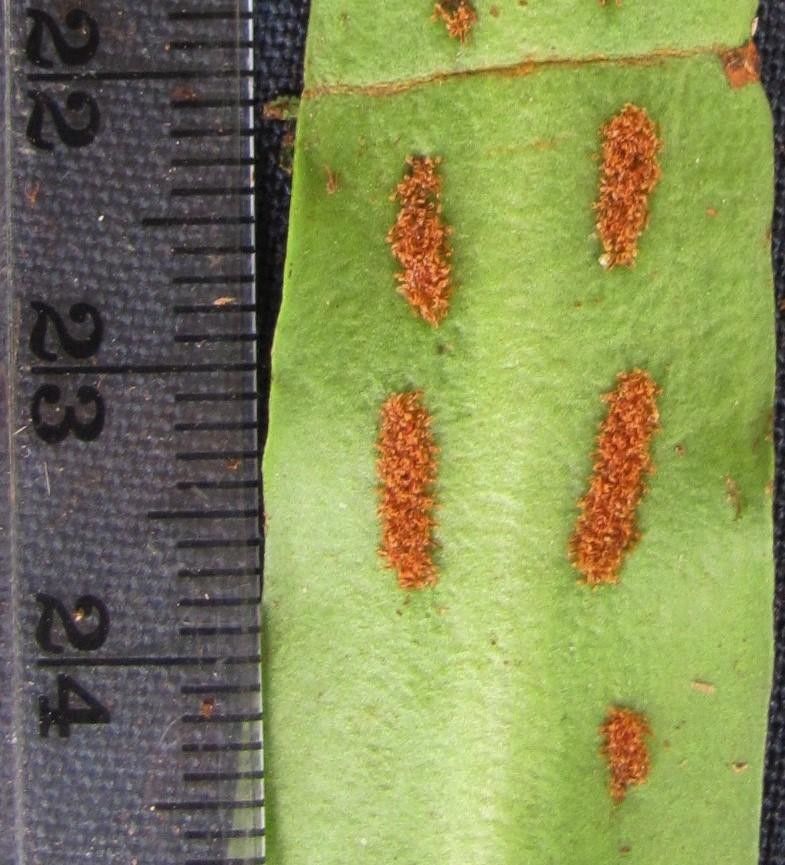
Hey there, fellow plant lovers! Ready to add a new Loxogramme mexicana to your collection, or perhaps share some of its charm with friends? I’m so excited to guide you through the process. This fern, with its delightful, lance-shaped fronds, brings such a unique texture and elegance to any indoor jungle. Trust me, seeing a tiny new plant unfurl from a piece you nurtured yourself is one of the most satisfying feelings a gardener can experience.
Now, is Loxogramme mexicana a walk in the park for absolute beginners? I’d say it’s a lovely plant to start with, with a few little quirks to learn. It’s not as fussy as some delicate tropicals, but it does appreciate a bit of specific care. Nothing a little bit of focused attention can’t handle, though!
The Best Time to Start
My personal favorite time to get busy with propagation is when my Loxogramme mexicana is in full, vigorous growth. Think late spring into early summer. The days are longer, the sunlight is strong (but not scorching, mind you!), and the plant has plenty of energy stored up to push out new roots. You’ll notice it actively producing new fronds. That’s your cue!
Supplies You’ll Need
Here’s a little kit that will set you up for success:
- Sterilized pruning shears or sharp knife: A clean cut is a happy cut!
- Small pots or propagation trays: Anything that holds moisture well.
- Well-draining potting mix: I love a blend of equal parts peat moss or coco coir, perlite, and a bit of orchid bark. This provides aeration and retains just enough moisture.
- Rooting hormone (optional but recommended): A powder or gel can give your cuttings an extra boost.
- Clear plastic bag or propagation dome: To create a humid microclimate.
- Water: Of course!
Propagation Methods
Loxogramme mexicana is wonderfully adaptable, and propagation is usually done via division, which is my go-to method.
Division: The Gentle Art
This is the most straightforward way to multiply your Loxogramme mexicana. You’re essentially splitting a mature plant into smaller, independent ones.
- Gently unpot your mature Loxogramme mexicana. Try to disturb the root ball as little as possible.
- Inspect the root system. You’re looking for natural breaks where a rhizome (that’s the thick, creeping stem that grows on the surface or just below the soil) has branched off. You should see roots and at least one or two healthy fronds emerging from each separate section.
- Carefully tease apart the sections. If the roots are heavily intertwined, you might need to use your sterilized shears to make a clean cut. The key here is to ensure each division has a good amount of rhizomes and healthy roots, along with at least a couple of fronds.
- Pot up each new division. Fill your small pots with your prepared potting mix. Make a little well in the center and gently place your new division in it, spreading out the roots a bit.
- Anchor the division firmly. You want the rhizome sitting just at or slightly below the surface of the soil.
- Water thoroughly. Give it a good drink until water runs out the drainage holes.
The “Secret Sauce” (Pro Tips)
Here are a few little tricks I’ve learned over the years that really make a difference:
- Don’t drown your divisions! While they need moisture, soggy soil is a fast track to rot. Let the top inch of soil dry out slightly between waterings. It’s better to be a touch dry than too wet, especially in the beginning.
- Humidity is king, but air circulation is queen. Once you pot up your divisions, pop them into a plastic bag or under a dome to maintain humidity. However, open the bag or dome for a few minutes every day to allow for air exchange. This prevents fungal issues and mildew.
- Patience with rhizomes. Sometimes, the new growth from a division might seem slow to appear. Don’t fret! As long as the fronds look healthy and green, the roots are establishing beneath the surface. Keep providing consistent, but not excessive, moisture and indirect light.
Aftercare & Troubleshooting
Once your divisions are potted, keep them in a brightly lit spot out of direct sunlight. This mimics the dappled light they’d get under a forest canopy. Water when the top inch of soil feels dry to the touch. You can gently mist the fronds occasionally, especially if you’re not using a closed propagation system.
The biggest enemy of newly divided Loxogramme mexicana? Rot. If you notice fronds turning yellow and mushy, or the rhizome feels slimy, it’s usually a sign of overwatering. In this case, gently unpot the division, trim away any rotted parts with sterilized shears, and repot in fresh, dry potting mix. You might need to let it sit for a day or two before watering again.
A Little Encouragement to Finish
Propagating plants is a journey, and each one can be a bit different. Don’t be discouraged if your first attempt isn’t perfect. Enjoy the process of learning, observing, and nurturing your new green babies. With a little patience and these tips, you’ll be rewarded with beautiful new Loxogramme mexicana plants that will bring you joy for years to come. Happy propagating!
Resource:
https://identify.plantnet.org/k-world-flora/species/Loxogramme%20mexicana%20C.Chr./data