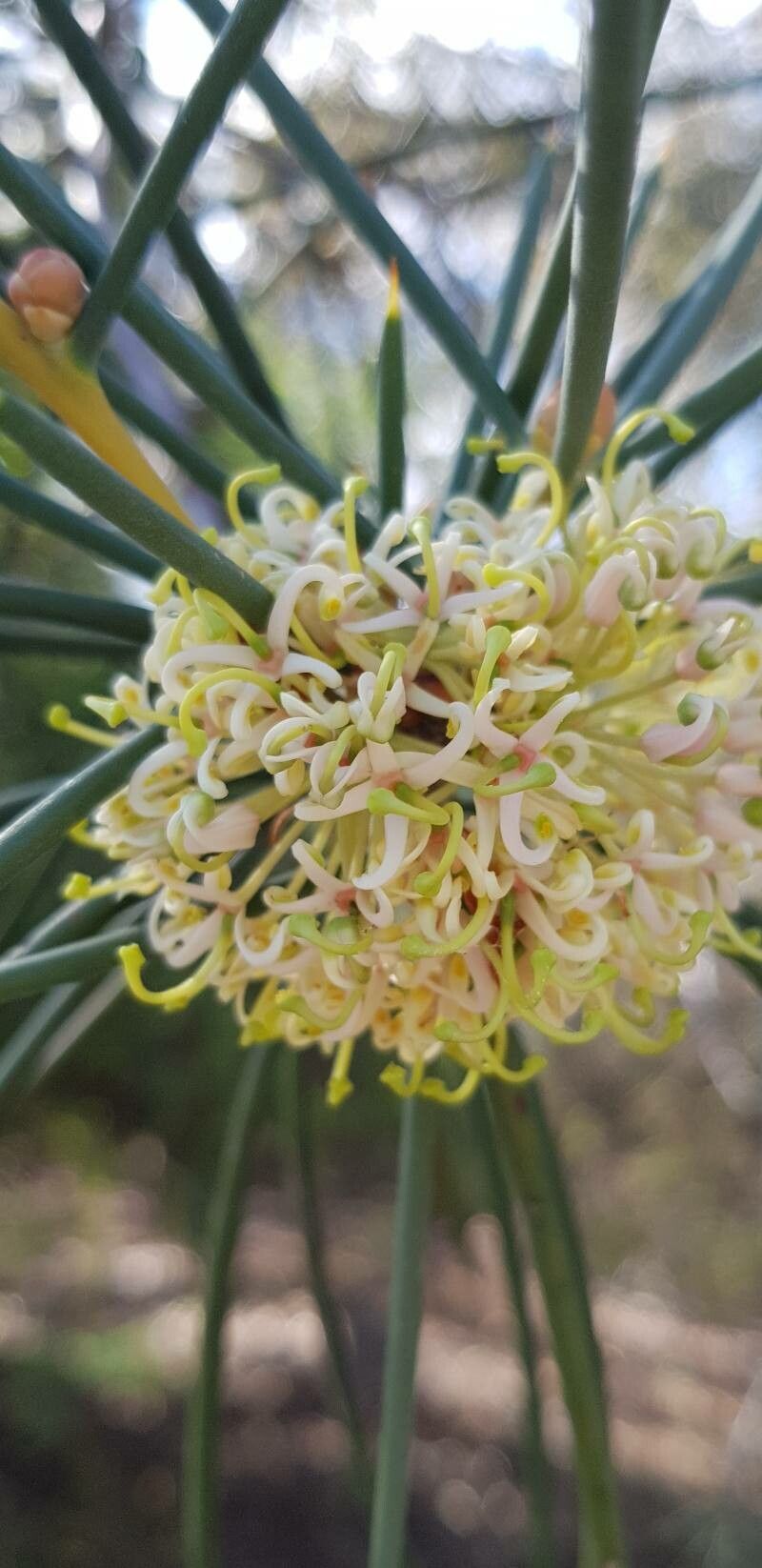
Oh, Hakea recurva! What a beauty. Those delicate pinkish-red flowers that spill out like fireworks in the late winter or early spring – they’re just so uplifting when the garden is still a bit sleepy. I’ve spent happy hours just admiring them. And propagating this one? It’s a wonderfully rewarding endeavor, a chance to share a piece of that floral magic. Now, I won’t lie and say it’s as simple as taking a cutting from a succulent, but it’s certainly not a mountain to climb. With a little patience and the right approach, even newer gardeners can achieve success.
The Best Time to Start
For Hakea recurva, I find the spring and early summer are your golden ticket. This is when the plant is actively growing, so cuttings taken now have the best energy reserves to put into forming new roots. Aim for pieces from the current season’s growth – you want stems that are semi-hardened, meaning they’ve lost that super-soft, bright green quality but haven’t become completely woody. Think firm, but still a little flexible.
Supplies You’ll Need
Gathering your tools makes the whole process smoother. Here’s what I always have on hand:
- Sharp pruning shears or a clean, sharp knife: For making clean cuts.
- A well-draining potting mix: A mix of coarse sand, perlite, and a bit of peat moss works wonders. I often use a native plant potting mix specifically formulated for Australian natives.
- Rooting hormone: A powder or gel will significantly boost your success rates.
- Small pots or propagation trays: About 7-10 cm (3-4 inches) is a good size to start.
- A watering can with a fine rose: For gentle watering.
- Clear plastic bags or a propagator lid: To create a humid environment.
- Labels and a permanent marker: Don’t skip this! You’ll thank me later.
- Optional: Heated propagation mat: If your environment is on the cooler side, this can be a game-changer.
Propagation Methods
While Hakea recurva can be grown from seed, stem cuttings are generally more straightforward and predictable for most home gardeners. Here’s how I tackle it:
- Take Your Cuttings: Look for non-flowering, healthy shoots that are about 10-15 cm (4-6 inches) long. Using your sharp pruning shears or knife, make a clean cut just below a leaf node (where a leaf attaches to the stem).
- Prepare the Cuttings: Gently remove the lower leaves from the cutting. You want to expose enough of the stem to dip into the rooting hormone. If the leaves are quite large, you can even trim them in half to reduce water loss through transpiration.
- Apply Rooting Hormone: Dip the cut end of the stem into your chosen rooting hormone, tapping off any excess. This is like giving your cutting a little boost of encouragement.
- Plant Your Cuttings: Fill your pots or trays with the well-draining potting mix. Make a small hole in the center with a pencil or your finger. Gently insert the prepared cutting into the hole, ensuring the leaf nodes are covered by the mix. Firm the mix gently around the stem.
- Water and Cover: Water the cuttings thoroughly after planting, using your fine rose watering can. You want the soil to be moist, but not soggy. Then, cover the pot or tray with a clear plastic bag, securing it loosely around the rim. This creates a mini-greenhouse effect, keeping humidity high. If you have a propagator lid, use that instead.
The “Secret Sauce” (Pro Tips)
Over the years, I’ve learned a few tricks that really make a difference:
- Don’t let the leaves touch the water. If you’re using water propagation (which can work for softer stems, but I usually prefer soil for Hakeas), ensure the leaves are well above the water surface. Any submerged foliage will rot and can take the whole cutting down with it.
- Bottom heat is your friend. Hakeas, like many woody-stemmed plants, root best when they have a bit of warmth coming from below. If you have a heated propagation mat, place your pots on it. It can significantly speed up root development and improve your success rate, especially if your greenhouse or windowsill is a little cool.
- Hygiene is paramount. Always use clean tools and pots. Any lingering bacteria or fungi can lead to rot, which is a cutting’s worst enemy. A quick wipe down with rubbing alcohol on your shears between cuts is a good practice.
Aftercare & Troubleshooting
Once your cuttings are planted, find them a bright spot, but avoid direct, scorching sunlight. A dappled shade or bright indirect light is perfect. Keep the soil consistently moist but not waterlogged. You can gently lift the plastic bag daily to allow for some air circulation, preventing fungal issues.
You’ll know your cuttings have rooted when you see new growth appearing, or if you gently tug on the cutting and feel a bit of resistance. This can take anywhere from 4 to 12 weeks, so patience is key!
The most common issue you’ll encounter is rot. If your cuttings look wilted, mushy, or have developed black, slimy stems, it’s usually a sign of too much moisture and not enough air circulation, or a fungal infection. Sadly, at this point, they’re unlikely to recover. Remove any affected cuttings immediately to prevent it from spreading.
A Encouraging Closing
Propagating Hakea recurva is a journey of discovery, and each successful rooted cutting is a little victory. Don’t be discouraged if your first attempts aren’t perfect. Learn from any setbacks, adjust your approach, and celebrate your successes. Enjoy the process of nurturing these new plants from humble cuttings into future garden stars! Happy propagating!
Resource:
https://identify.plantnet.org/k-world-flora/species/Hakea%20recurva%20Meisn./data