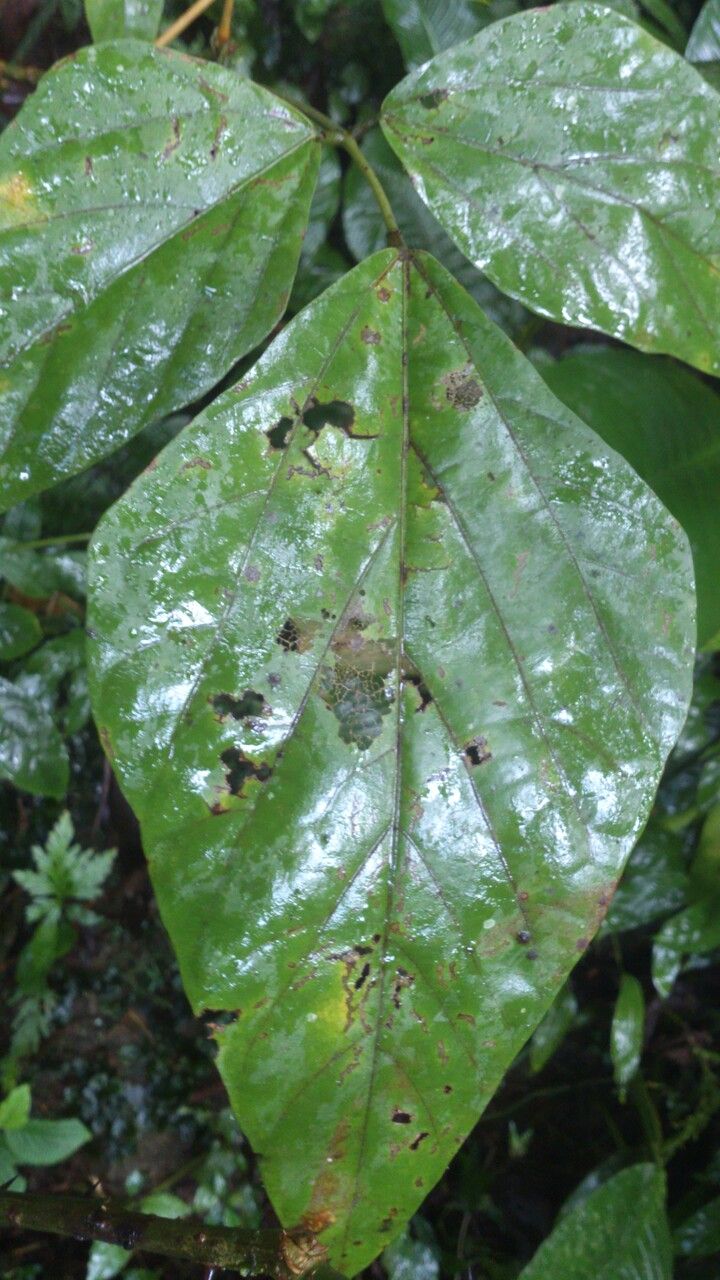
Oh, Erythrina gibbosa! If you’ve ever seen one of these beauties in bloom, you know exactly why I’m so excited to talk about propagating them. Those vibrant coral-red blooms cascading down the branches are simply breathtaking. Growing them from scratch, nurturing a tiny seedling or a fresh cutting into a substantial plant, is a journey that brings such deep satisfaction. It’s like holding a little piece of hope in your hands, watching it unfurl and grow. For those of you just dipping your toes into the world of plant propagation, I’ll be honest – Erythrina gibbosa can be a bit of a patient plant. It’s not the quickest to root, and sometimes it likes to take its sweet time, but believe me, the reward is absolutely worth a little perseverance.
The Best Time to Start
Spring is absolutely your sweet spot for getting Erythrina gibbosa cuttings to take. Think about it: the plant is waking up from its winter slumber, full of vigor and ready to grow. You want to catch that energy. Look for new growth, stems that are firm but not woody – they’ll snap cleanly rather than bend. Trying to propagate in the depths of summer when it’s scorching hot, or in the middle of winter when everything’s dormant, is just setting yourself up for disappointment. You want vibrant, active growth.
Supplies You’ll Need
Here’s what you’ll want to have on hand before you get started:
- Sharp Pruning Shears or a Clean Knife: For taking clean cuttings. Dull tools can crush the stem, which is a death knell for propagation.
- Rooting Hormone Powder (Optional but Recommended): This isn’t magic, but it gives your cuttings a helpful boost. Look for one containing IBA (indole-3-butyric acid).
- Well-Draining Potting Mix: A good blend is crucial. I often use a mix of equal parts perlite and peat moss, or a cactus/succulent mix works in a pinch. The key is that water needs to drain away quickly.
- Small Pots or Seed Trays: Clean, with drainage holes, of course!
- Plastic Bag or Propagator: To keep humidity high around your cuttings.
- Water: For moistening your soil and for any water propagation attempts.
- Labels and a Marker: Trust me, you’ll forget what you planted and when!
Propagation Methods
Erythrina gibbosa is typically propagated by stem cuttings. This is the method I’ve found most reliable.
- Take Your Cuttings: In spring, select a healthy stem that’s about 4-6 inches long. Make a clean cut just below a leaf node (where a leaf attaches to the stem). Remove the leaves from the bottom half of the cutting. If there are any flower buds or blooms, pinch them off – you want all that energy going into root development, not flowering.
- Apply Rooting Hormone (If Using): Dip the cut end of the stem into your rooting hormone powder, tapping off any excess.
- Plant Your Cuttings: Moisten your well-draining potting mix and fill your pots. Make a hole in the center of the soil with your finger or a pencil. Insert the cut end of your cutting into the hole, making sure the leaf nodes are below the soil surface. Gently firm the soil around the stem.
- Create a Humid Environment: Water the soil lightly. Then, place your potted cuttings inside a clear plastic bag or propagator, making sure the bag doesn’t touch the cuttings too much. Seal it up to trap moisture. You can also just use a clear plastic dome if you have one. The goal here is to create a mini-greenhouse effect.
The “Secret Sauce” (Pro Tips)
Now, here are a couple of things I’ve learned over the years that really make a difference with these lovely Erythrinas:
- Bottom Heat is Your Friend: While not strictly necessary, placing your pots on a gentle heat mat can significantly speed up root formation. It mimics the warmth of spring soil and encourages those roots to start exploring. Just be careful not to overheat them; a mild, consistent warmth is all you need.
- Resist the Urge to Overwater: This is a biggie! Soggy roots are the fastest way to disaster. Let the top inch of soil dry out between waterings. It’s much better to let them dry out a bit than to keep them constantly saturated. These plants, like many from drier climates, really dislike sitting in wet soil.
- Be Patient with the “Snap Test”: Don’t yank on your cuttings too early to see if they’ve rooted! Wait at least 4-6 weeks. Give them time. Gently tug – if you feel significant resistance, you likely have roots. If it pulls out easily, it hasn’t rooted yet.
Aftercare & Troubleshooting
Once you see new growth – tiny leaves emerging or the cutting growing taller – it’s a fantastic sign! This means roots are forming. You can gradually acclimatize your new plant to lower humidity by opening the plastic bag for short periods, increasing the time each day. Eventually, you can remove the bag entirely. Continue to water sparingly, allowing the soil to dry out between waterings.
The most common issue you’ll face is rot. If your cutting turns mushy and black from the bottom up, or if the whole thing just collapses, it’s almost always due to too much moisture and not enough air circulation. This is why that well-draining soil and careful watering are so critical. If you see a bit of mold on the soil surface, simply scrape it off and ensure good airflow.
A Little Encouragement
Propagating Erythrina gibbosa is a beautiful exercise in patience. Some cuttings will root quickly, while others might take their sweet time. Don’t get discouraged if a few don’t make it – that’s part of the learning process for us all. Just keep trying, learn from each attempt, and before you know it, you’ll be admiring your own homegrown blooms. Enjoy the journey of nurturing these special plants!
Resource:
https://identify.plantnet.org/k-world-flora/species/Erythrina%20gibbosa%20Cufod./data