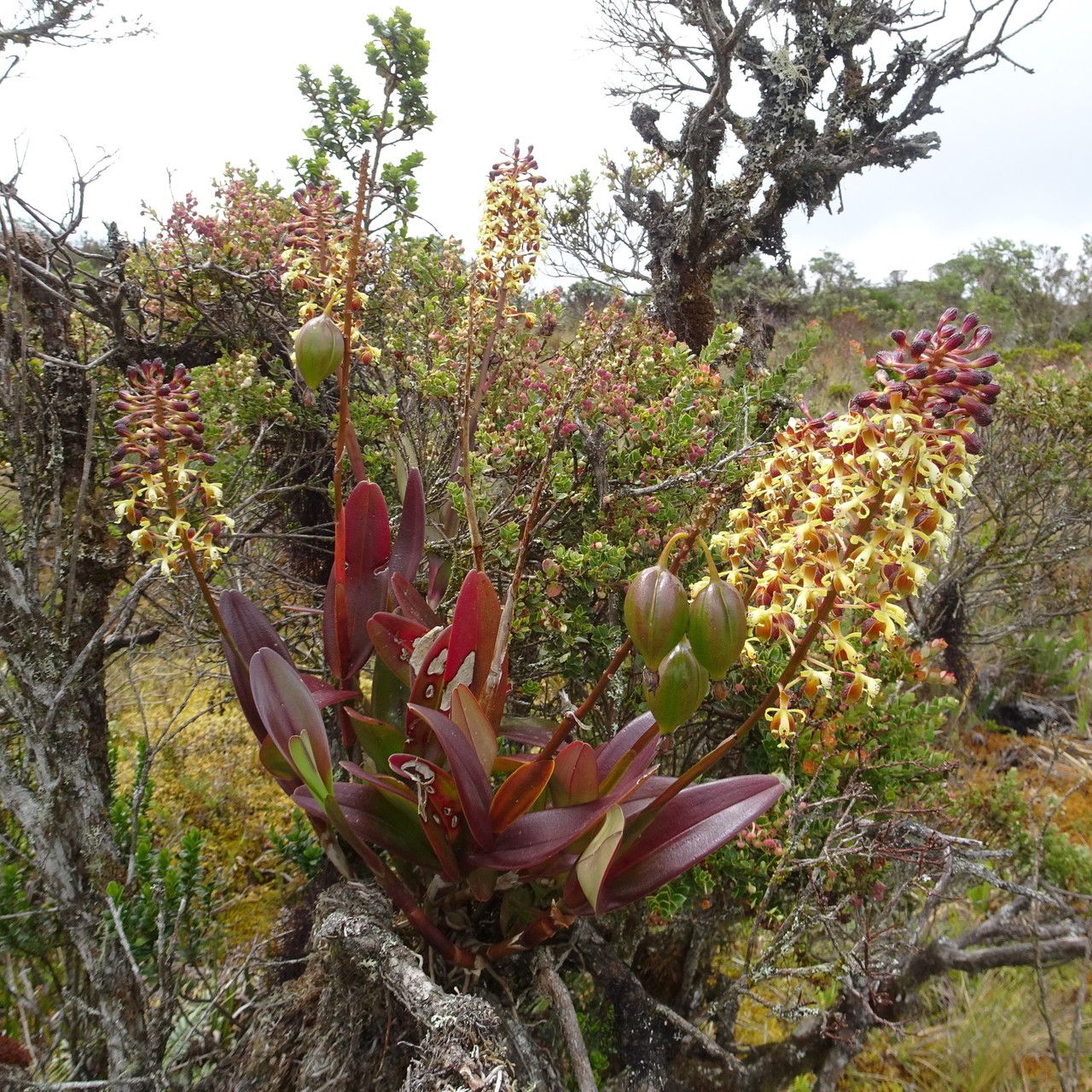
Hello, fellow plant lovers! I’m so glad you’ve stopped by today. If you’re anything like me, you probably adore the vibrant colors and elegant blooms of orchids. One particular gem that has captured my heart is Epidendrum cylindraceum. Its slender, reed-like stems topped with clusters of cheerful flowers are just so uplifting. And the best part? It’s not as intimidating to propagate as you might think. In fact, I find it rather satisfying to watch a new little plant emerge from a piece of an old one. Don’t worry if you’re new to orchid propagation; this one is quite forgiving!
The Best Time to Start
For Epidendrum cylindraceum, the sweet spot for propagation is generally spring or early summer. This is when the plant is actively growing and has plenty of energy to put into developing new roots. You’ll want to choose stems that are mature and have at least two or three nodes (those little bump-like areas where leaves emerge). Avoid trying to propagate from a stem that’s just starting to put out new growth, or one that looks weak or unhealthy. Healthy parent plants lead to healthy babies!
Supplies You’ll Need
Before we dive in, let’s gather our tools. Having everything ready makes the process so much smoother.
- Clean, sharp pruning shears or a sterile knife: This is crucial for making clean cuts to prevent disease.
- Orchid potting mix: A mix specifically designed for orchids, usually containing bark, perlite, and sphagnum moss, is ideal.
- Small pots or seedling trays: Enough to house your new propagules.
- Rooting hormone (optional but recommended): Helps to encourage root development.
- Sphagnum moss: Great for maintaining humidity around cuttings.
- Watering can or spray bottle: For gentle hydration.
- Clear plastic bags or a small greenhouse: To create a humid environment.
- Labeling tags and a marker: So you don’t forget what you’ve potted!
Propagation Methods
Epidendrum cylindraceum is wonderfully versatile, and I find two methods particularly effective and easy for this orchid.
1. Stem Cuttings (The Most Common Approach!)
This is my go-to method for multiplying my collection. It’s hands-on and you can see your progress.
- Select a healthy cane: Look for a mature stem that has at least two or three nodes.
- Make your cut: Using your clean shears or knife, cut the cane about an inch below a node. If you’re taking a longer piece, you can cut it an inch above the top node as well, making sure you have at least two nodes on your cutting.
- Prepare the cutting: Gently remove any lower leaves if they are present, exposing the nodes. You can also trim off any exceptionally long leaves if they’re going to crowd the pot.
- Apply rooting hormone (optional): Dip the cut end of the cane into rooting hormone, following the product’s instructions. This gives your cutting a little boost.
- Pot it up: Fill your small pot with the orchid potting mix. Make a small hole in the center and insert the cane, ensuring at least one node is below the surface of the mix. The nodes are where the roots will emerge from. You can plant multiple cuttings in one pot if they are small.
- Water gently: Water the potting mix lightly. You don’t want to saturate it, just make it damp.
2. Division (When Your Plant Gets Big!)
If your Epidendrum cylindraceum has grown into a clump with multiple canes, division is a fantastic way to get more plants and also revitalize the parent.
- Gently remove from pot: Carefully ease the entire plant out of its pot.
- Inspect the root ball: Gently tease away some of the old potting mix to see how the canes are connected.
- Separate the sections: Using your clean hands or a sterile knife, carefully divide the plant into sections. Each section should have at least two or three healthy pseudobulbs (swollen stem bases) and some healthy roots. If the roots are tangled, you can gently untangle them or make a clean cut if necessary.
- Pot separately: Pot each division into its own pot with fresh orchid potting mix, just as you would with a new cutting, ensuring the base of the pseudobulbs is slightly above the mix.
The “Secret Sauce” (Pro Tips)
Here are a few little tricks I’ve learned over the years that really help with propagation:
- Humidity is King! Orchids, especially young ones, love humidity. Once you’ve potted your cuttings or divisions, I highly recommend placing the pots inside a clear plastic bag, trapping a little humid air. You can also poke a few small holes in the bag to allow for some air circulation. Another option is to keep them in a small greenhouse or a terrarium. Just make sure the leaves don’t directly touch the walls of the bag or container, as this can encourage rot.
- Don’t Drown Your Dreams: When watering your new propagations, less is often more, especially while they are establishing. You want the mix to be consistently moist, but never soggy. Overwatering is one of the quickest ways to invite fungal diseases and rot. I usually water thoroughly and then wait until the surface of the mix feels slightly dry before watering again.
- A Little Warmth Goes a Long Way: Providing gentle bottom heat can significantly speed up root development. I’ve found that placing my propagation pots on a propagation mat set to a low temperature (around 70-75°F / 21-24°C) makes a noticeable difference. It mimics the warmth of a tropical environment and encourages those roots to get going.
Aftercare & Troubleshooting
Once you see signs of new growth – tiny roots emerging from the nodes or a new shoot pushing up from the base – that’s your cue to start transitioning.
- Gradual De-humidification: If your cuttings were in a plastic bag or greenhouse, slowly start to acclimate them to lower humidity. You can do this by opening the bag a little more each day or by gradually increasing the ventilation in your greenhouse over a week or two.
- Gentle Watering: Continue to water when the potting mix is slightly dry. As the roots establish, you can water more thoroughly.
- Watch for Rot: The most common problem you’ll encounter is rot. If you see a cutting turning black and mushy, or if the base of a cutting becomes soft and collapses, it’s likely rot. Unfortunately, there’s not much you can do once rot sets in. This is usually a sign of too much moisture, poor air circulation, or an unclean cut. Discard any affected cuttings immediately to prevent it from spreading.
- Patience is a Virtue: It can take several weeks to several months for new roots and shoots to become substantial enough to repot or consider the propagation a success. Don’t get discouraged if you don’t see immediate results.
A Little Encouragement to Close
And there you have it! Propagating Epidendrum cylindraceum is a rewarding journey. It’s a chance to connect with your plants on a deeper level and to share their beauty with others. Be patient, observe your new charges, and most importantly, enjoy the process. Happy growing!
Resource:
https://identify.plantnet.org/k-world-flora/species/Epidendrum%20cylindraceum%20Lindl./data