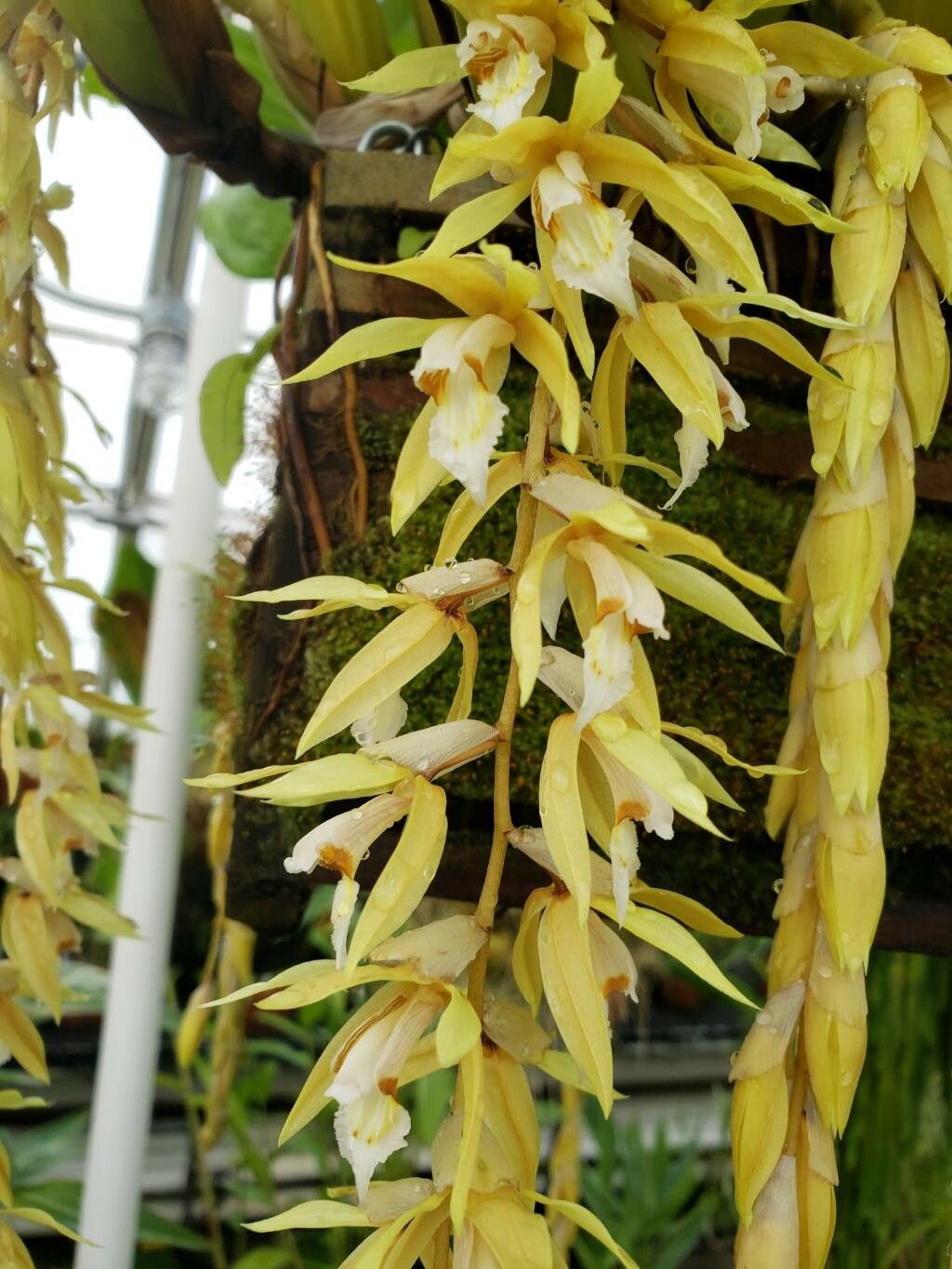
Hey there, fellow plant lovers! If you’ve ever admired the delicate, graceful blooms of Coelogyne rochussenii and thought, “I wish I had more of those!”, then you’re in the right place. I’ve loved this orchid for years, with its cascading sprays of creamy white flowers and that lovely, subtle fragrance. It’s truly a specimen that brings a touch of elegance to any space.
Propagating it for the first time might sound a little daunting, but I promise, with a little guidance, it’s absolutely achievable. While not as straightforward as, say, a spider plant, Coelogyne rochussenii rewards patience. Let’s dive in!
When to Get Your Hands Dirty
The sweet spot for coaxing new life from your Coelogyne rochussenii is typically after it has finished flowering. You’ll usually see new pseudobulb growth emerging around this time. This means the plant is actively in a growing phase and has the energy reserves to put into creating new roots and shoots. Think of it as giving it a little nudge when it’s feeling most robust.
What You’ll Need on Hand
Gathering your supplies beforehand makes the whole process feel a lot smoother. Here’s what I always have on my workbench:
- Sharp, sterile pruning shears or a clean knife: Essential for making clean cuts to prevent disease.
- Potting mix: A well-draining orchid mix is key. I often use a blend of medium-grade bark, perlite, and a bit of horticultural charcoal.
- Potting containers: Small pots or even seedling trays with drainage holes are perfect.
- Rooting hormone (optional but recommended): A powder or gel can give cuttings a helpful boost.
- Distilled or rainwater: Tap water can sometimes contain minerals that aren’t ideal for orchids.
- Sphagnum moss: Great for maintaining humidity around cuttings.
- Labels and a marker: So you don’t forget what you propagated and when!
Let’s Get Propagating: Division is Your Best Friend
For Coelogyne rochussenii, the most reliable and straightforward method is division. This means taking a healthy, mature plant and carefully separating it into smaller sections, each with its own healthy pseudobulbs and roots.
- Prepare your plant: Gently remove your Coelogyne rochussenii from its pot. If it’s tightly root-bound, you might need to carefully tease out the roots. A gentle soak in water can sometimes help loosen the root ball and make inspection easier.
- Inspect for divisions: Look for natural breaks in the plant. You want to divide it into sections that have at least two or three healthy pseudobulbs and a good set of roots. Some older, leafless pseudobulbs might be present; that’s okay as long as they are firm and not shriveled.
- Make the cut: Using your sharp, sterile shears or knife, carefully slice through the rhizome (the creeping stem) that connects the sections. If you’re struggling to get through a tough rhizome, a sterile metal skewer heated over a flame can sometimes help sever it, but be very careful not to burn the plant tissue.
- Trim and prepare: Once divided, trim away any dead or mushy roots. You can also remove any unhealthy-looking pseudobulbs or leaves.
- Apply rooting hormone (if using): Dip the cut end of the rhizome and any cut roots into your rooting hormone.
- Pot them up: Plant each division in its own pot with your well-draining orchid mix. Ensure the pseudobulbs are sitting at the surface of the mix, not buried too deeply. Water lightly.
My “Secret Sauce” for Success
After many years of trial and error (and a few less-than-successful attempts!), I’ve found a few things that really make a difference:
- Don’t rush the watering: After dividing, I hold off on watering for a day or two. This allows any small cuts to callous over, reducing the risk of rot. When I do water, I water thoroughly but let it drain completely.
- Humidity is king: New divisions need extra humidity to encourage root growth. I like to place the potted divisions in a plastic bag or a clear propagation dome. Make sure to open it daily for ventilation to prevent fungal issues.
- A touch of warmth: Coelogyne rochussenii loves a little warmth for root development. Placing them on a heated propagation mat set to around 70-75°F (21-24°C) can significantly speed up the process.
Aftercare and Keeping an Eye Out
Once your new Coelogyne rochussenii divisions are potted, they’ll need bright, indirect light and consistent moisture – but never soggy. Keep that humidity high and continue to ventilate regularly.
What about when things go wrong? The most common culprit is rot. If you notice pseudobulbs becoming soft, mushy, or black, it’s usually a sign of overwatering or poor air circulation. If you catch it early, you might be able to trim away the affected parts and try to reroot the healthy section, but often, it’s a sign the plant isn’t going to make it. Another sign of issues is no new root or leaf growth after several months. This could indicate the division was too weak to begin with, or the conditions aren’t quite right.
Keep Growing, Keep Loving!
Propagating orchids is a journey, and each little success is a cause for celebration. Be patient with your new Coelogyne rochussenii babies. It can take months for them to establish and show significant new growth, but the reward of seeing your collection expand is absolutely worth it. Happy growing, my friends!
Resource:
https://identify.plantnet.org/k-world-flora/species/Coelogyne%20rochussenii%20de%20Vriese/data