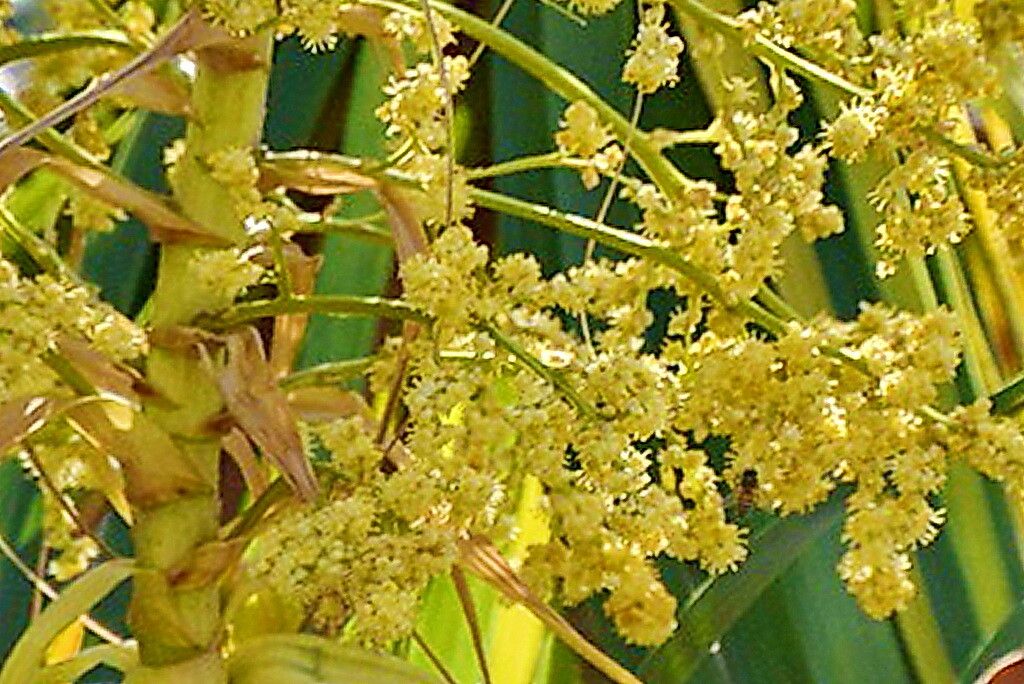
Oh, hello there, fellow plant lover! I’m so excited to dive into the wonderful world of Beaucarnea goldmanii with you today. If you’ve had the pleasure of seeing one of these beauties, you know what I mean. With their distinctive swollen trunks – like little elephant feet that store water – and a cascade of graceful, arching leaves, they have an undeniable charm. Propagating them yourself is incredibly rewarding. It’s a fantastic way to expand your collection or share these unique plants with friends. Now, are they tricky? Honestly, for beginners, they’re not the absolute easiest, but with a little patience and the right approach, you’ll be well on your way to success!
The Best Time to Start
For Beaucarnea goldmanii, the sweet spot for propagation is typically spring or early summer. This is when the plant is actively growing, meaning it has more energy to dedicate to developing roots. You’re looking for a healthy, mature plant that’s showing good vigor. If you happen to be repotting one anyway, that often presents a perfect opportunity to gather your propagation materials.
Supplies You’ll Need
Gathering your tools before you begin will make the whole process much smoother. Here’s what you’ll want to have on hand:
- Sharp, sterile pruning shears or a clean knife: For making clean cuts.
- Rooting hormone powder or gel: While not strictly essential for all methods, it can significantly boost success rates.
- Well-draining potting mix: A good cactus or succulent mix is ideal. You can also create your own by combining equal parts potting soil, perlite, and coarse sand.
- Small pots or propagation trays: Terracotta pots are great because they breathe.
- Perlite or gravel (optional): For added drainage in the potting mix.
- Watering can or spray bottle: For gentle watering.
- Plastic bag or propagation dome (optional): To create a humid environment.
- Labels and a permanent marker: To keep track of your projects!
Propagation Methods
Beaucarnea goldmanii can be propagated through a couple of primary methods. I’ve found the most success with stem cuttings and division. Let’s break them down.
Stem Cuttings
This is a fantastic way to get new plants from an established one.
- Select a healthy stem: Look for a mature stem that has grown away from the main trunk. It should be at least a few inches long.
- Make a clean cut: Using your sterile pruning shears or knife, make a clean cut just below a leaf node. This is where roots are most likely to form.
- Let it callus: This is a crucial step! Remove any lower leaves that might touch the soil. Then, let the cutting sit out in a well-ventilated area for a few days to a week. This allows the cut end to dry and form a protective callus. This prevents rot when you plant it.
- Apply rooting hormone: Once callused, dip the cut end into rooting hormone powder or gel, tapping off any excess.
- Plant the cutting: Fill your small pot with your well-draining potting mix. Make a small hole in the center and gently insert the callused end of the cutting. Firm the soil around it.
- Initial watering: Water the potting mix lightly. You don’t want to drench it.
Division
If your Beaucarnea has started producing pups or offshoots from its base, division is a straightforward method.
- Gently remove from pot: Carefully take your plant out of its pot.
- Examine the root ball: Look for any smaller plants or pups that are attached to the main root system.
- Separate carefully: Using your hands or a clean knife, gently separate the pup from the mother plant. Try to keep as much of the pup’s root system intact as possible. If there’s a clean break point, that’s ideal.
- Allow to callus (if needed): If you had to make a cut to separate a pup, let that cut surface callus over for a day or two just like you would with a stem cutting.
- Pot the division: Plant each division in its own small pot filled with your well-draining potting mix. Again, water very lightly after planting.
The “Secret Sauce” (Pro Tips)
Here are a few things I’ve learned over the years that really help:
- Bottom heat is your friend: For stem cuttings, placing your pots on a propagation heat mat can significantly speed up root development. It mimics the warmth of spring and encourages those roots to start searching for purchase.
- Don’t overwater, ever: This is the number one killer of new cuttings and divisions. The goal is just barely moist soil. I often mist the soil surface rather than watering from the top initially.
- Patience is key with the callus: I know it’s tempting to rush, but that callusing stage for stem cuttings is so important. It’s the difference between a happy new plant and a soggy, rotted mess. Trust the process!
Aftercare & Troubleshooting
Once your cutting or division shows signs of rooting – you might see new leaf growth, or feel a slight resistance when you gently tug on it – you can start watering a bit more regularly. Still, always allow the top inch of soil to dry out between waterings.
The most common issue you’ll encounter is rot. If you see the stem or base turning mushy and brown, it’s a sign of too much moisture. Unfortunately, this is often difficult to recover from. If you catch it early, you can try removing the rotted section, letting the remaining part callus, and replanting in fresh, dry soil. Another sign of trouble can be a cutting that simply refuses to root after a long time; this usually means it didn’t take. Don’t be discouraged if some don’t make it!
A Encouraging Closing
Growing new plants is such a rewarding journey. With Beaucarnea goldmanii, it takes a bit of watchful care, especially in those early stages. Be patient with your little cuttings and divisions. Celebrate the small victories, like that first hint of new growth. Enjoy the process, and soon you’ll have beautiful new treasures to cherish. Happy propagating!
Resource:
https://identify.plantnet.org/k-world-flora/species/Beaucarnea%20goldmanii%20Rose/data