Hello fellow plant enthusiasts!
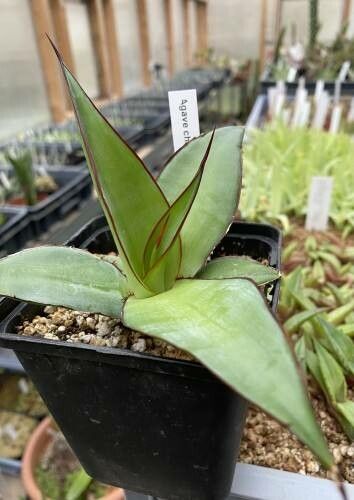
Today, we’re diving into the wonderful world of Agave chazaroi. If you’re drawn to succulents with architectural beauty and a touch of the exotic, you’re going to love this one. Agave chazaroi, with its striking silvery-blue leaves and formidable spikes, is a real statement piece in any garden or indoor collection. And the best part? You can easily multiply this beauty to share with friends or fill your space with more of its sculptural charm. Propagating agaves might sound intimidating, but I promise you, it’s a deeply rewarding process, and Agave chazaroi is quite forgiving, even for folks just dipping their toes into succulent propagation.
The Best Time to Start
When is the magic window for propagating Agave chazaroi? My top recommendation is to wait until spring or early summer. This is when the plant is actively growing and has the most energy to put into developing new roots. Aim to propagate when the temperatures are warm and consistent, but not scorching hot. You’ll find the best success if you’re working with a mature, healthy plant.
Supplies You’ll Need
Gathering your tools beforehand makes the whole process so much smoother. Here’s what I keep on hand:
- Sharp, sterile pruning shears or a clean knife: Essential for making clean cuts.
- Rooting hormone powder (optional but recommended): Helps give your cuttings a boost.
- Well-draining potting mix: A cactus or succulent mix is perfect. You can also make your own with equal parts potting soil, perlite, and coarse sand.
- Terracotta pots: These allow for excellent airflow and drainage, which is key for succulents.
- Gloves: Agave spikes can be sharp! Better safe than sorry.
- A clean trowel or dibber: For making holes in the soil.
Propagation Methods
Agave chazaroi most commonly propagates through pups (also called offsets) and sometimes through leaf cuttings, though the latter takes considerably longer and can be less reliable.
Propagating Pups (Offsets)
This is the most straightforward and successful method for Agave chazaroi.
- Identify the Pups: Look for small baby agaves growing at the base of your mother plant. They’ll have their own tiny leaves.
- Prepare Your Tools: Make sure your shears or knife are clean and sharp. This prevents introducing disease.
- Gently Loosen the Soil: Carefully brush away some of the soil around the base of the pup. You want to get a clear view of where it connects to the mother plant.
- Make the Cut: Using your sharp tool, slice through the root system connecting the pup to the mother plant. Try to get a clean cut right at the base of the pup. If possible, try to snag a tiny bit of root with the pup – this will speed up rooting.
- Let it Callous: This is crucial! Place the detached pup in a warm, dry, and well-ventilated spot for a few days to a week. The cut end needs to dry and form a protective callus. This prevents rot when you plant it.
- Planting Time: Once the cut end has calloused over, it’s time to plant. Fill a terracotta pot with your well-draining soil mix.
- Rooting Hormone (Optional): Dip the calloused end of the pup into rooting hormone powder, tapping off any excess.
- Plant Your Pup: Make a small hole in the soil with your trowel or finger and gently place the calloused end of the pup in. Press the soil firmly around the base to support it.
- Initial Watering: Wait a few days after planting to water. This gives the plant another chance to settle and reduces the risk of rot. When you do water, do so sparingly.
Leaf Cuttings (Less Common for Agave chazaroi)
While technically possible, propagating Agave chazaroi from leaf cuttings is a much slower and often less successful endeavor. You’ll need to let the cut end callous thoroughly, then plant it and wait for a very long time for any sign of growth. For this particular agave, focusing on pups is far more efficient.
The “Secret Sauce” (Pro Tips)
After years of coaxing succulents to grow, I’ve learned a few tricks that really make a difference.
- Embrace the Dry Spell: Agaves are desert dwellers. Don’t overwater your new pups! It’s the quickest way to send them to the compost bin via rot. Wait until the soil is bone dry, then water thoroughly.
- Bottom Heat is Your Friend: If you can, place your pots on a seedling heat mat set to a low temperature (around 70-75°F or 21-24°C). This gentle warmth encourages root development without drying out the soil too quickly. You’ll be amazed at how much faster pups root with a little extra warmth from below.
- Give Them Space: When planting multiple pups in a larger pot, make sure to give them adequate space to grow. Overcrowding can lead to competition for resources and a higher chance of disease spreading.
Aftercare & Troubleshooting
Once your pup has developed a good root system (you’ll know by gently tugging and feeling resistance, or seeing new growth), you can gradually treat it like a mature Agave chazaroi. Continue to water sparingly, allowing the soil to dry out completely between waterings.
Common signs of trouble include:
- Mushy or discolored base: This is a clear sign of rot, usually due to overwatering or insufficient callousing. If you see this, unpot the pup, cut away the rotted sections, let the healthy parts callous for a longer period (even a couple of weeks), and try again in fresh, dry soil.
- Wilting or shriveling leaves: This can also be a sign of dehydration, but before you water more, check the roots. If the roots are also mushy, it’s rot. If the roots seem fine, a deep watering might be needed.
A Little Patience Goes a Long Way
Propagating any plant is a lesson in patience, and Agave chazaroi is no different. Don’t get discouraged if your first attempt doesn’t work perfectly. Every gardener has their share of learning curves! Just keep at it, enjoy the process of nurturing these beautiful plants, and soon you’ll have a whole collection of these sculptural wonders to admire. Happy propagating!
Resource: