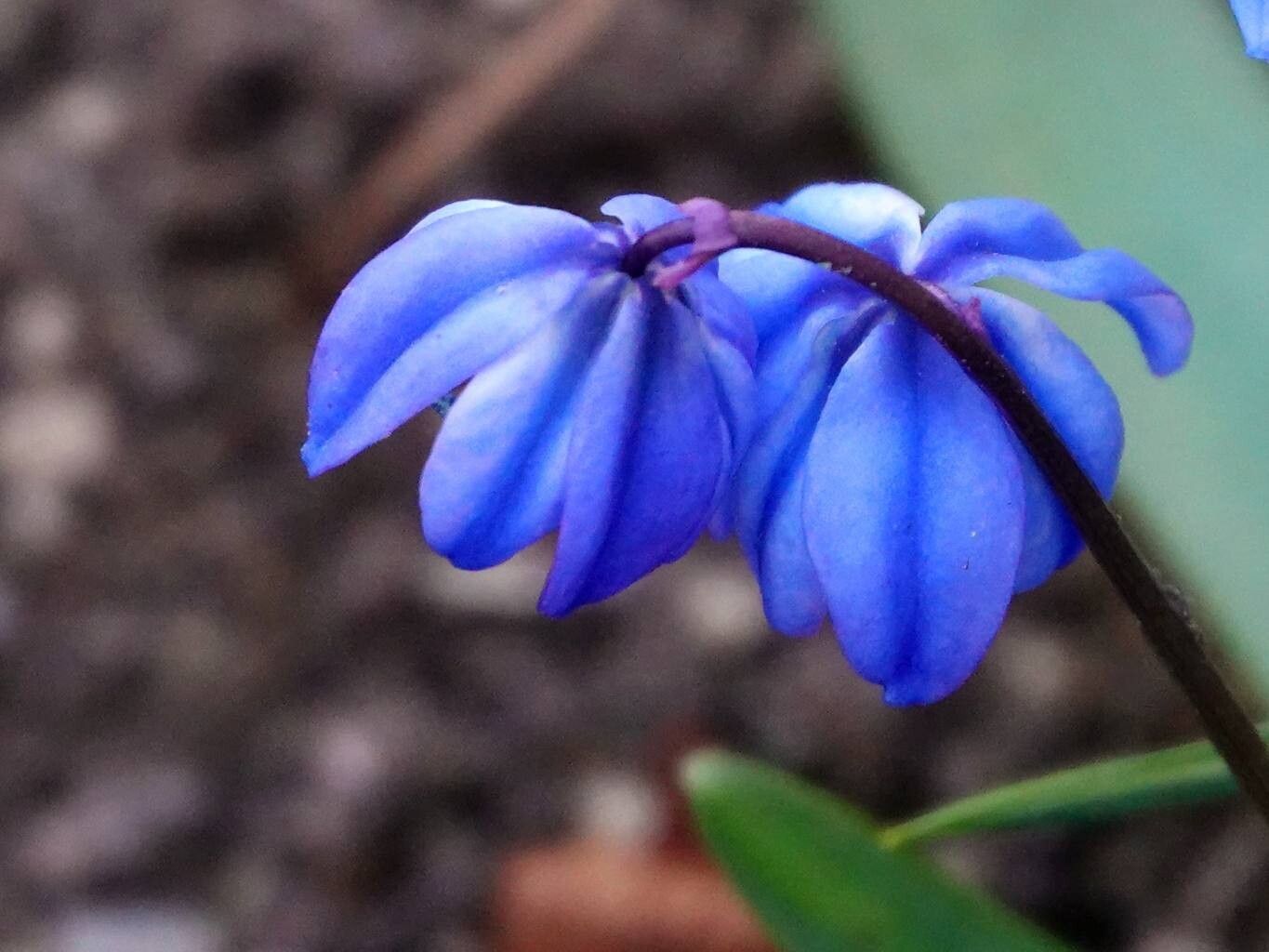
Ah, Siberian Squill! If you’ve ever seen a carpet of these intense, sky-blue beauties blanketing a garden in early spring, you already know their charm. They’re like tiny bursts of joy after a long winter, and truthfully, getting more of them is a wonderfully rewarding project. I’ve been growing them for years, and I find propagating them quite forgiving, even for those of you who are just getting your green thumbs tingling. Let’s dive in and get you started on building your own patch of blue!
The Best Time to Start
For Siberian Squill (Scilla siberica), the absolute best time to think about propagation is right after the plant has finished flowering and the foliage begins to yellow and die back. This usually happens in late spring to early summer. It’s at this point that the bulbs are storing energy, and crucially, any seeds that have formed will be ripening. If you miss this window, don’t fret; you can also propagate from bulb division in the fall, before the ground freezes.
Supplies You’ll Need
You won’t need anything too fancy for this. Most of what you’ll need is probably already in your garden shed.
- Rake or Trowel: For gently lifting the soil and bulbs.
- Sharp Pruning Shears or a Knife: For dividing bulbs if necessary. Always make sure they are clean to prevent disease.
- Potting Mix: A well-draining potting mix is crucial. I like to use a standard potting soil mixed with about 20% perlite for extra aeration.
- Small Pots or Seed Trays: If you’re dividing bulbs into smaller pieces or starting seeds in containers.
- Labels: To mark what you’ve planted and when! Trust me, future you will thank you.
- Watering Can or Hose with a Fine Spray: To water gently.
Propagation Methods
Siberian Squill offers a couple of straightforward ways to expand your collection.
1. Seed Propagation (Best for patience!)
This is the most natural way for them to reproduce, and it’s incredibly satisfying to watch them grow from scratch.
- Collect Ripe Seeds: As soon as you see the seed pods on the spent flower stalks starting to dry out and turn brown, it’s time to act. Gently snip off the seed pods before they pop open and scatter their treasures.
- Let Them Dry Further (Optional but good): You can place the collected pods in a paper bag in a warm, dry spot for a few more days to ensure they are fully mature.
- Sow Immediately: Siberian Squill seeds benefit from being sown while they are still fresh. You can sow them directly into your garden bed where you want them to grow, or in containers with that good, well-draining potting mix.
- Planting Depth: For seeds, a general rule is to plant them at a depth roughly twice their diameter. So, if your seeds are tiny, just press them gently into the soil surface.
- Watering: Water the soil very gently. You don’t want to wash the seeds away. Keep the soil consistently moist but not waterlogged.
- Patience is Key: This is where your patience really comes into play. You probably won’t see germination for at least a year, if not two. The seedlings will be tiny at first, so don’t be alarmed if they look like grass. They’ll grow larger over time.
2. Bulb Division (The quickest reward!)
This is the fastest way to get new, mature plants.
- Wait for Dormancy: As mentioned, the ideal time is when the foliage has completely died back. The bulbs are dormant and less stressed during this period.
- Gently Excavate: Using your trowel or rake, carefully dig around the clump of Siberian Squill. You want to lift the entire clump with as much soil around the bulbs as possible to minimize root disturbance.
- Separate the Bulblets: Once the clump is out, gently shake off excess soil. You’ll likely see the main bulb with smaller bulblets attached. Carefully tease these apart. If they are very tightly attached, you can use your clean knife or shears to make a clean cut.
- Replant Immediately: It’s best to replant the divided bulbs as soon as possible. Find a spot in your garden that gets good drainage and receives morning sun.
- Planting Depth: Plant the bulbs at about twice their depth, just like you would with regular onion-style bulbs. The pointed end should be facing upwards.
- Watering: Water them in well after planting.
The “Secret Sauce” (Pro Tips)
From my years in the garden, here are a couple of things I’ve learned that really make a difference with these little dynamos.
- Mimic Nature for Seeds: When sowing seeds, I find that mimicking their natural process helps. If you sow them outdoors in the fall, they’ll experience the cold stratification they need over winter, leading to better germination in the spring. You can also achieve this by sowing them in pots and leaving them outside in a sheltered spot over winter.
- Don’t Overcrowd with Divisions: When dividing, it’s tempting to cram as many bulbs into a pot or small garden space as possible. Resist this urge! Give them a little breathing room so they can establish without competing immediately. You can always move them to their permanent home once they’ve grown stronger.
- The Magic of a Mulch Blanket: After planting seeds or divided bulbs, a light layer of organic mulch (like shredded leaves or compost) can be wonderfully beneficial. It helps retain moisture, suppress weeds, and regulate soil temperature, creating a more stable environment for your new plants.
Aftercare & Troubleshooting
Once your Siberian Squill are planted, the work isn’t quite over.
- Watering: Keep the soil consistently moist, especially during their active growing season and when they are first establishing. Once they go dormant (the foliage dies back), you can ease up on watering, but they’ll appreciate a drink during dry spells.
- Weeding: Keep the area around your new plants free from weeds, as they compete for nutrients and moisture.
- Troubleshooting (Rot): The most common issue you might encounter is rot, usually due to soggy soil. If you notice some bulbs or seedlings turning mushy or black and smelling unpleasant, it’s likely rot. The best prevention is excellent drainage. If rot sets in, try to remove the affected bulbs to prevent it from spreading. Ensure your soil isn’t holding too much water.
A Little Encouragement to Finish
There you have it! Propagating Siberian Squill is a delightful journey that connects you with the rhythm of the seasons. Whether you’re patiently waiting for tiny seedlings to sprout or marveling at how quickly divided bulbs establish, the reward of more of those stunning blue flowers is truly worth it. So, grab your trowel, be patient with the process, and enjoy the magic of multiplying your garden’s beauty. Happy planting!
Resource:
https://identify.plantnet.org/k-world-flora/species/Scilla%20siberica%20Andrews/data