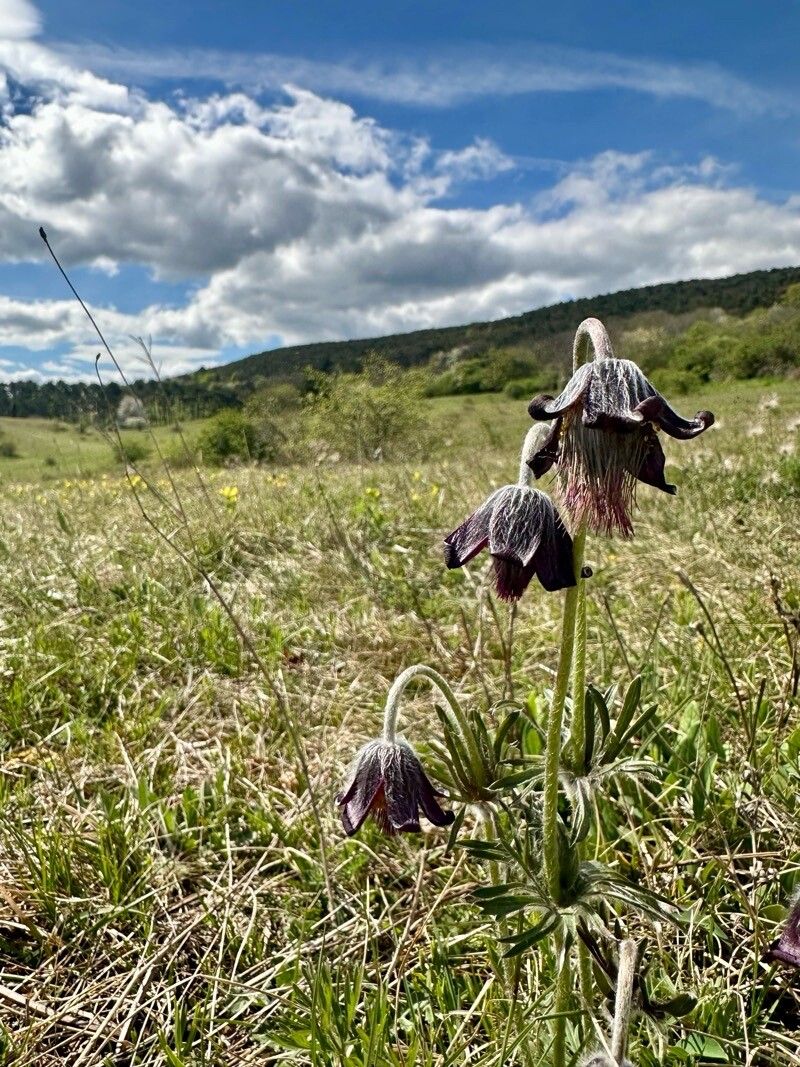
Oh, Pulsatillas! Aren’t they just delightful? Those fuzzy, nodding flowers bring such a whimsical charm to the spring garden. I’ve always adored their delicate beauty and the promise of early color they herald. And the best part? You can absolutely multiply these beauties yourself! It’s incredibly rewarding to watch a tiny seed or a separated clump transform into a thriving new plant. Now, I’ll be honest, Pulsatilla can be a tad particular, especially from seed. But with a little patience and the right approach, you’ll be well on your way.
The Best Time to Start
For Pulsatilla, the sweet spot for propagation is often when nature is thinking about waking up, or just after a good sleep. Sowing fresh seeds in early spring, as soon as the soil can be worked, is a fantastic option. If you’re looking at dividing established plants, late summer or early autumn, after they’ve finished flowering and their energy is redirected underground, is generally best. This gives them time to settle in before winter.
Supplies You’ll Need
To get your Pulsatilla propagation off to a great start, gather these handy items:
- Seed-starting mix: A light, well-draining mix is crucial. I prefer a blend of peat or coir, perlite, and a bit of fine compost.
- Small pots or seed trays: Clean pots are key to preventing disease.
- Labels and a marker: You’ll thank me later when you have multiple pots of seedlings!
- Gravel or grit: For excellent drainage.
- A watering can with a fine rose: To avoid disturbing tiny seeds or delicate roots.
- Sharp pruning shears or a clean knife: For division.
- Rooting hormone (optional for division, can be helpful for cuttings): A professional rooting powder can give plants an extra boost.
- A spray bottle: For misting.
Propagation Methods
Pulsatillas are most successfully propagated through seed sowing and division. While stem cuttings are possible, they can be a bit more challenging and less reliable for this genus.
Seed Sowing: A Journey of Patience
- Gather Seeds: If you’re collecting your own, wait until the seed heads have matured and the fluffy white pappus begins to form. You want to gather them fresh.
- Prepare Pots: Fill your seed trays or pots with your seed-starting mix.
- Sow Seeds: Sow the seeds thinly on the surface of the mix. Pulsatilla seeds often benefit from light. I gently press them into the surface, but I don’t bury them deeply.
- Water Gently: Moisten the mix thoroughly by watering from the bottom or using your fine-rose watering can. The soil should be consistently moist but not waterlogged.
- Provide Cold Stratification (Crucial!): Many Pulsatilla seeds need a period of cold to germinate. You can achieve this by placing your sown pots in a plastic bag and popping them in the refrigerator for 4-6 weeks. Check them periodically for mold and to ensure the soil surface stays moist.
- Bring to Warmth: After their cold period, bring the pots to a bright, cool spot, around 15-18°C (60-65°F). Keep the soil moist.
- Germination: Be patient! Germination can be erratic and take anywhere from a few weeks to a few months.
- Potting Up: Once seedlings are large enough to handle (they’ll have a few true leaves), carefully transplant them into individual small pots using your well-draining potting mix.
Division: Sharing the Wealth
- Dig Carefully: In late summer or early autumn, gently dig up your established Pulsatilla. Try to disturb the root ball as little as possible. A garden fork is often better than a spade here as it lifts rather than cuts roots.
- Loosen the Roots: Gently shake off excess soil. You’ll see the main root ball.
- Separate the Divisions: Using your fingers, a trowel, or a sharp knife, carefully separate the root ball into smaller sections. Aim for divisions that have at least a few healthy shoots and a good amount of root.
- Replant Immediately: Plant the divisions back into prepared ground or pots filled with good, free-draining soil. Ensure the crown of the plant is at soil level.
- Water Well: Water them in thoroughly to help settle the soil and reduce transplant shock.
The “Secret Sauce” (Pro Tips)
- Don’t let the seeds dry out after stratification. Once they’re ready to sprout, consistent moisture is key. If they dry out, you’ll likely lose them.
- For division, don’t be afraid to make clean cuts. If the roots are very tangled, a sharp knife or even loppers can ensure you get clean divisions. This reduces damage and helps the plant heal faster.
- Provide good air circulation. Whether your seedlings are indoors or outdoors, good airflow helps prevent fungal diseases that can attack young plants. I often use a small fan on a low setting for indoor seedlings if the air feels stagnant.
Aftercare & Troubleshooting
Once your little Pulsatillas show signs of life, keep them consistently moist but never waterlogged. If you’ve divided plants, continue to water them regularly, especially during dry spells. Watch for wilting leaves; this can indicate underwatering.
The biggest foe here is rot. If you see stems turning mushy or black at the soil line, it’s a sign of too much moisture and poor drainage. In this case, you might need to carefully remove the affected parts and try to improve drainage around the remaining plant. If a whole pot of seedlings goes this way, it’s disheartening, but don’t give up! Nature sometimes has a way of testing us.
A Encouraging Closing
Growing Pulsatillas from seed or division is a wonderful way to connect with these special plants. It takes a little practice, and sometimes things don’t go perfectly the first time, but that’s part of the journey. Enjoy the process, be gentle with your new sprouts, and you’ll soon be rewarded with your very own patch of fluffy-flowered magic. Happy gardening!
Resource:
https://identify.plantnet.org/k-world-flora/species/Pulsatilla%20pratensis%20(L.)%20Mill./data