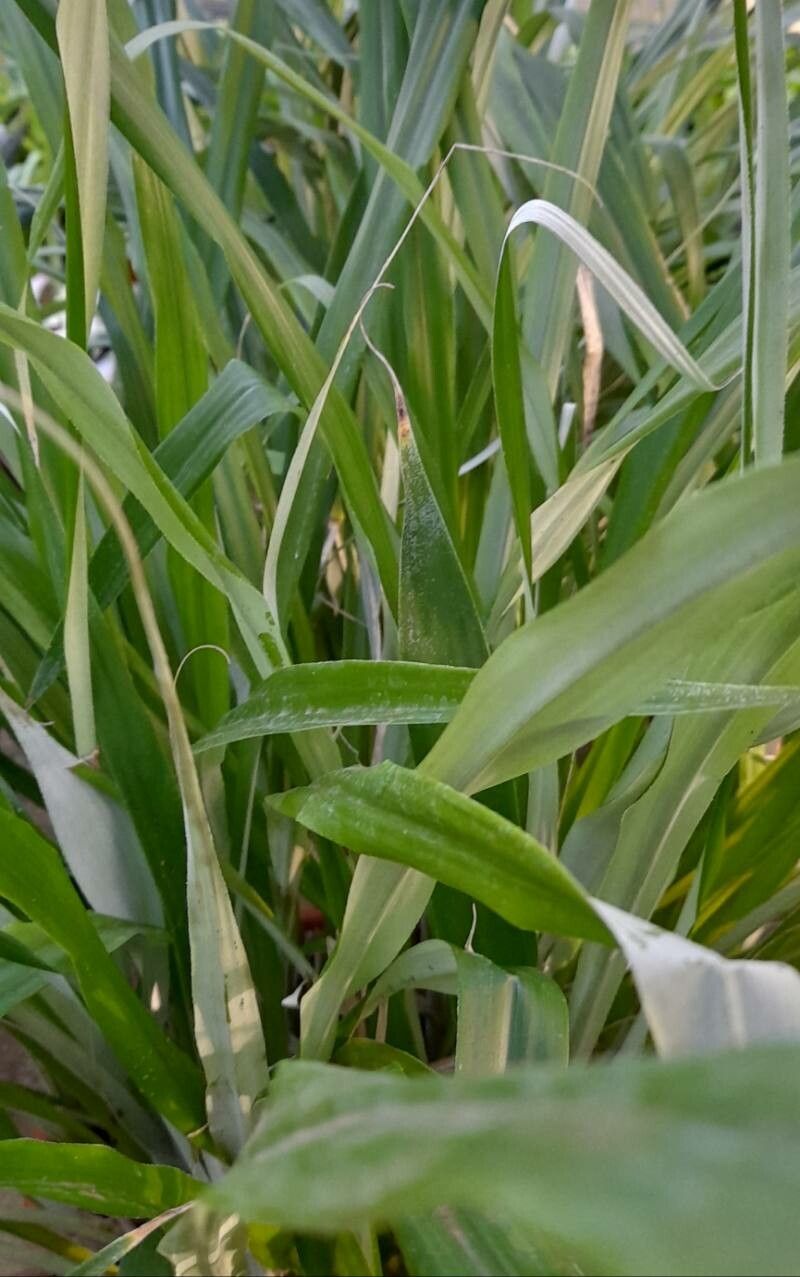
Oh, hello there! Come on in, grab a mug of something warm. Today, we’re diving into the wonderful world of Pitcairnia maidifolia. If you’re looking for a bromeliad that brings a touch of the tropics with its elegant, architectural form and striking foliage, you’ve found a winner. Its long, arching leaves can create a real statement piece, whether they’re in the garden or tucked away on a sun-drenched windowsill. And you know the best part? Multiplying these beauties is incredibly rewarding. Don’t let them intimidate you; while they need a little specific care, propagating Pitcairnia maidifolia is quite manageable, even for those just starting their plant journey.
The Best Time to Start
For the highest success rate, spring and early summer are your golden windows. This is when your Pitcairnia is actively growing, fueled by increasing daylight and warmer temperatures. You’ll find it’s more enthusiastic about putting out new shoots and developing healthy roots during this vibrant period. Waiting until after the plant has finished its main growth spurt for the season is also a good bet.
Supplies You’ll Need
Before we get our hands dirty, let’s gather our tools:
- Sharp, sterile pruning shears or a clean knife: For precise cuts.
- Potting mix: A well-draining blend is crucial. I like to use a mix of coir (or peat moss), perlite, and a bit of orchid bark. Think airy and open!
- Small pots or propagation trays: Enough to house your new babies.
- Rooting hormone (optional but recommended): This can give your cuttings a little head start. Look for a powder or gel.
- Watering can with a fine rose or a spray bottle: For gentle hydration.
- Labels: To keep track of what you’ve propagated and when.
- A warm, bright location: Out of direct, harsh sunlight.
- Plastic bags or a propagation dome (optional): To create humidity.
Propagation Methods
Pitcairnia maidifolia mainly propagates through division and, to a lesser extent, offsets or pups.
Division (The Most Common Method)
This is how we’ll tackle most of our Pitcairnias. The parent plant will often produce new shoots, called pups, around its base.
- Gently remove the parent plant from its pot. Tip it out carefully onto a clean surface.
- Examine the root ball. Look for where new pups have emerged from the base of the main plant. You’re looking for pups that have developed their own small root system.
- Using your sharp shears or knife, carefully separate a pup from the mother plant. Try to get as many roots as possible with the pup. If a pup is very small and hasn’t formed roots yet, it’s okay, but it will take longer to establish.
- Trim any damaged roots.
- Place the separated pup in its own pot. Fill it with your well-draining potting mix. Make sure the base of the pup is at soil level.
- Water gently. You want the soil to be moist but not soggy.
- Place the newly potted pup in a warm, bright spot. Avoid direct sun, which can scorch young plants.
Offsets/Pups (If You Find Them!)
Sometimes, you’ll see small, baby plants (pups) emerging from the sides or base of the mother plant, even without needing to repot and divide.
- Wait until the pup is a decent size. Ideally, it should have its own roots or be at least a quarter of the size of the mother plant.
- Carefully try to twist or cut the pup away from the mother plant. Again, try to keep as many roots as possible.
- Pot up the pup as described in the division method.
The “Secret Sauce” (Pro Tips)
Here are a few little tricks I’ve learned over the years that can really boost your success:
- Don’t be afraid of a little cleanup. If the pup you’re separating has any dead or damaged leaves, trim them away. This helps the plant focus its energy on new growth and reduces the chance of rot.
- Consider the “callousing” trick. If you have a pup that lost most of its roots during separation, place it in a dry, airy spot for a day or two before potting. This allows any cut surfaces to dry out and “callous” over, which can prevent rot. Some people even dust the cut end with cinnamon, which has natural antifungal properties.
- Bottom heat is your friend! If you’re propagating in a cooler environment or during a less ideal season, placing your pots on a seedling heat mat can make a world of difference. It encourages root development by keeping the soil consistently warm. Just make sure the temperature doesn’t get too hot – around 70-75°F (21-24°C) is usually perfect.
Aftercare & Troubleshooting
Once your Pitcairnia pups are potted, the real nurturing begins!
- Keep them consistently moist but never waterlogged. Water when the top inch of soil feels dry. A light misting from a spray bottle can also be beneficial, especially in dry air.
- Provide bright, indirect light. As they establish, they can handle a bit more sun, but start gently.
- Be patient! It can take a few weeks to a couple of months for new growth to appear, signaling success.
Now, what if things go sideways?
- Rot is the most common culprit. If your pup looks mushy, smells off, or the leaves are turning yellow and limp very quickly, it’s likely rot. This is usually due to overwatering or poor drainage. If you catch it early, you might be able to salvage healthy parts of the plant by cutting away the rot and repotting in fresh, dry soil.
- Lack of growth. This can happen if conditions are too cold, too dark, or if the pup simply hasn’t developed enough roots yet. Keep providing good conditions and be patient. Sometimes they just need a little extra time.
A Little Encouraging Word
Propagating plants is a journey, and each new arrival is a little victory. Don’t get discouraged if every single one doesn’t make it. The goal is to learn, to experiment, and to enjoy the process of growing your own green treasures. Keep those hands in the soil, observe your plants, and let nature do its beautiful work. You’ve got this!
Resource: