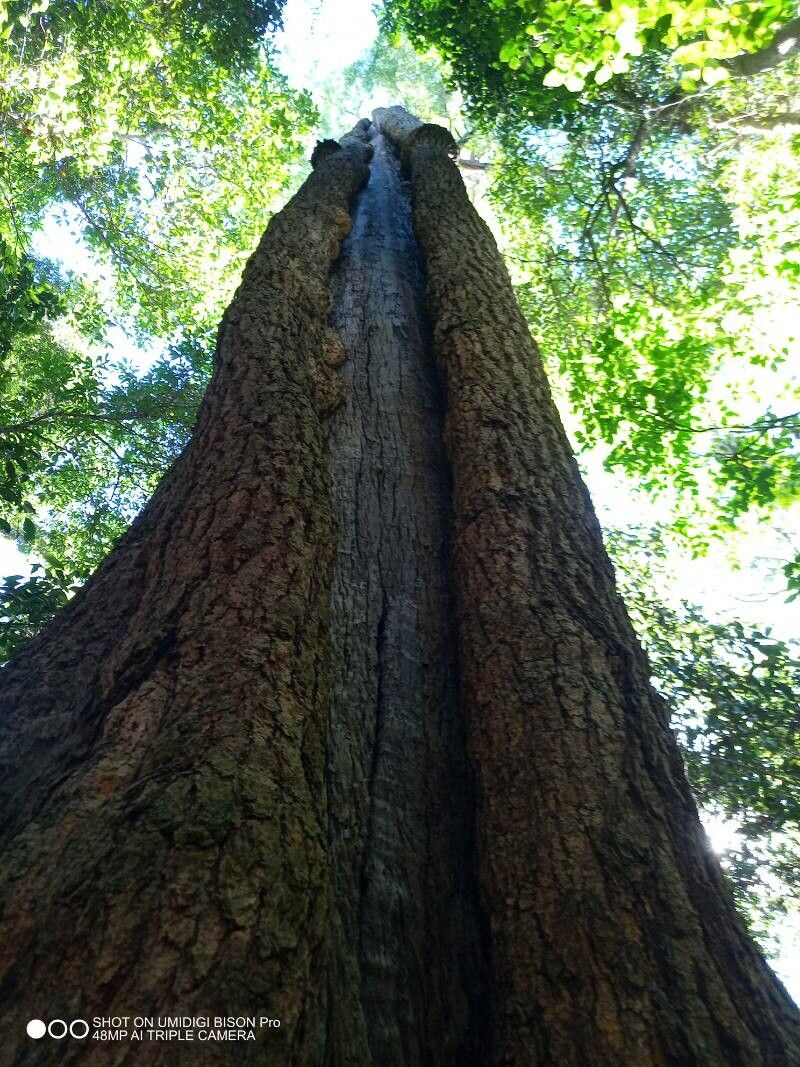
Oh, Eucalyptus cloeziana! What a magnificent tree to bring into your garden. Its tall, graceful form and incredible timber potential – we’re talking about a real specimen that exudes a wonderfully clean, almost medicinal scent. Growing your own from a cutting or seed is a deeply satisfying endeavor, like nurturing a little piece of the Australian bush right in your backyard.
Now, I won’t lie to you. Eucalyptus cloeziana, in my experience, can be a bit of a diva when it comes to propagation, especially from cuttings. It’s not the absolute beginner’s dream plant, but with a little extra care and attention, you absolutely can succeed. It’s a rewarding challenge that will teach you a lot about coaxing these special trees to grow.
The Best Time to Start
For the highest success rate, I’ve found that late spring or early summer is your sweet spot. This is when the plant is actively growing and has plenty of energy to put into developing new roots. You’re looking for young, semi-hardwood stems. These are the ones that are flexible enough to bend without snapping cleanly, but not so green and tender that they’ll easily rot. Think of it as the “perfectly pliable” stage.
Supplies You’ll Need
Gathering your supplies beforehand makes the whole process so much smoother. Here’s what I always have on hand:
- Sharp Pruning Shears or a Craft Knife: Essential for clean cuts. Dull tools can damage the stems and invite disease.
- Rooting Hormone: I prefer a powdered form, applied to the cut end of your cuttings. It really gives them a boost.
- Well-Draining Potting Mix: A good blend is key. I like to mix equal parts perlite and peat moss, or a commercial seedling starting mix. Good aeration is crucial.
- Small Pots or Trays: Clean containers with drainage holes are a must.
- Clear Plastic Bag or Dome: To create a humid environment for your cuttings.
- Spray Bottle: For gentle misting.
- Labeling Stakes: You’ll thank yourself later!
- Optional: Heating Mat: This can significantly increase success rates, especially if your environment is a bit cooler.
Propagation Methods
While you can grow Eucalyptus from seed, I find stem cuttings to be the most rewarding and often more reliable method for this particular species. Division isn’t really applicable here as it’s a tree, and water propagation can be tricky with Eucalyptus, as their sap can be quite resinous.
Stem Cuttings:
- Select Your Cuttings: On a healthy, semi-hardwood branch, look for shoots that are about 10-15 cm (4-6 inches) long.
- Make the Cut: Using your sharp pruning shears or knife, make a clean cut just below a leaf node. A leaf node is where a leaf emerges from the stem. This is where the magic of root development often happens.
- Prepare the Cutting: Gently remove the lower leaves from the cutting, leaving just 2-3 at the top. This prevents them from rotting when they’re in the soil. If the remaining leaves are very large, you can carefully cut them in half horizontally to reduce water loss.
- Dip in Rooting Hormone: Dip the cut end of the stem into your rooting hormone, tapping off any excess.
- Plant the Cuttings: Fill your clean pots with your well-draining mix. Make a pilot hole in the center with a pencil or your finger, then insert the cutting. Firm the soil gently around it.
- Water Gently: Water the soil lightly until it’s evenly moist, but not waterlogged.
- Create Humidity: Cover the pot loosely with a clear plastic bag or dome. Ensure the leaves don’t touch the plastic if possible. You can use small stakes to prop it up.
- Placement: Place the pots in a bright spot with indirect light. Avoid direct sunlight, which can scorch the newly forming roots.
The “Secret Sauce” (Pro Tips)
Here are a couple of things I’ve learned that make a real difference with these sometimes stubborn Eucalyptus:
- Bottom Heat is Your Friend: If you’re struggling with rooting success, invest in a heating mat. Placing your pots on a gentle bottom heat, around 20-24°C (70-75°F), can dramatically speed up root formation and improve your chances. It mimics the warmth of spring soil and gives those roots the signal to get growing.
- Don’t Let Them Drown: Eucalyptus plants, even as cuttings, hate sitting in soggy soil. Ensure your pots have excellent drainage, and water only when the top inch of soil feels dry. Overwatering is the quickest way to invite rot.
- Think About Airflow: While you need humidity, stagnant air can be a problem. Every couple of days, lift the plastic bag for a few minutes to allow for some fresh air circulation. This helps prevent fungal diseases.
Aftercare & Troubleshooting
Once you start to see signs of new leaf growth or feel a gentle tug when you lightly pull on the cutting, that’s usually a good indication that roots have formed! This can take anywhere from 4 to 12 weeks, so patience is key.
- Gradual Acclimation: When roots appear, gradually remove the plastic cover over a week or two. Start by removing it for a few hours each day, then longer periods. This helps the new plant adjust to the ambient humidity.
- Repotting: Once the plant is well-established and has a good root system (you might see roots coming out of the drainage holes), you can transplant it into a slightly larger pot with a good quality potting mix.
- Troubleshooting Rot: The most common issue you’ll face is rot. If your cuttings turn black or mushy, it’s almost always due to overwatering or poor drainage. Unfortunately, once rot sets in, it’s very difficult to save the cutting. Learn from it and adjust your watering habits for the next batch.
A Encouraging Closing
Propagating Eucalyptus cloeziana is an adventure, and like all good adventures, it requires a bit of patience and perseverance. Don’t be discouraged if your first attempts aren’t perfect. Learn from any setbacks, adjust your techniques, and keep trying. The reward of nurturing one of these magnificent trees from a tiny cutting into a thriving plant is truly special. Happy growing!
Resource:
https://identify.plantnet.org/k-world-flora/species/Eucalyptus%20cloeziana%20F.Muell./data