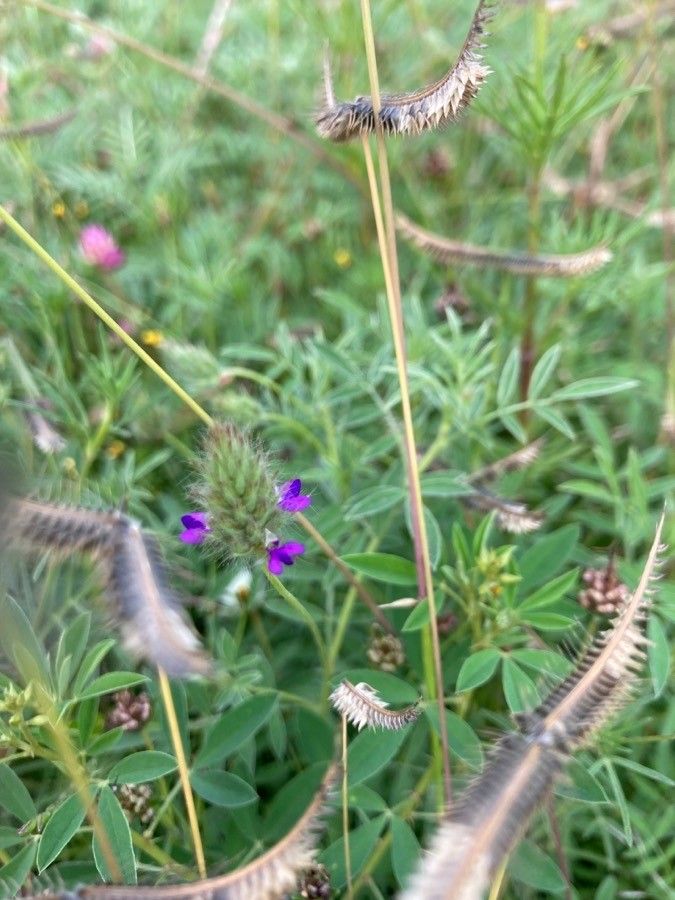
Hello, fellow plant lovers! Today, we’re diving into the delightful world of Dalea humilis, or as many of us affectionately call it, prairie clover. If you’re looking for a plant that brings a touch of delicate, wispy charm to your garden, with lovely little pea-like flowers and a subtle, sweet fragrance, Dalea humilis is a gem. And the even better news? Propagating it is incredibly satisfying, and I’d say it’s quite achievable for most gardeners, even those just starting out on their plant-parenting journey.
The Best Time to Start
For the highest success rate with Dalea humilis, I always aim to take cuttings in late spring to early summer. This is when the plant is in a vigorous growth spurt, and the new stems are pliable and full of life. Waiting until after it’s had a good flush of growth, but before it gets too woody, is key. Think of it as capturing that youthful energy!
Supplies You’ll Need
Gathering your supplies beforehand makes the whole process so much smoother. Here’s what I usually have on hand:
- Sharp, clean pruning shears or a craft knife: For making clean cuts.
- Rooting hormone (optional but recommended): A powdered or liquid form to encourage root development.
- Potting mix: A good well-draining mix. I often use a blend of potting soil and perlite or coarse sand (around a 50/50 ratio) to ensure excellent drainage.
- Small pots or seed trays: Clean ones, of course!
- Plastic bags or a propagation dome: To create a humid environment.
- Watering can with a fine rose: For gentle watering.
- Labels and a marker: To keep track of your cuttings.
Propagation Methods
Dalea humilis is wonderful because it’s pretty amenable to propagation by stem cuttings. It’s my go-to method.
Stem Cuttings
- Select Your Stems: Look for healthy, non-flowering stems that are about 4-6 inches long. You want stems that are flexible but not too soft. Sometimes, I’ll even look for stems that have just started to feel a little firm, rather than brand new, floppy growth.
- Make the Cut: Using your sharp pruning shears or knife, take a cutting just below a leaf node (where a leaf meets the stem). A clean cut helps prevent disease and promotes better rooting.
- Prepare the Cutting: Gently remove the lower leaves from the cutting, leaving just a few sets of leaves at the top. This prevents the submerged leaves from rotting.
- Apply Rooting Hormone (Optional): If you’re using rooting hormone, dip the cut end of the stem into the powder or liquid, tapping off any excess.
- Plant Your Cuttings: Fill your small pots with your prepared potting mix. Make a small hole in the center with your finger or a pencil, and gently insert the cut end of the Dalea humilis cutting. Firm the soil gently around the stem.
- Water Gently: Water the soil thoroughly but gently, until water drains from the bottom of the pot.
- Create a Humid Environment: Cover the pots loosely with a plastic bag or place a propagation dome over them. This helps maintain consistent moisture around the leaves. You can use chopsticks or skewers to prop up the bag so it doesn’t touch the leaves.
- Provide Light: Place the pots in a bright, indirect light location. Avoid direct sunlight, as this can scorch the delicate cuttings.
- Wait for Roots: This is where patience comes in! Check the cuttings periodically. You can gently tug on a stem after about 4-6 weeks. If you feel resistance, it means roots have formed. You can also often see roots emerging from the drainage holes.
The “Secret Sauce” (Pro Tips)
Here are a couple of tricks that have helped me get a higher success rate over the years:
- Bottom Heat is Your Friend: If you have a heat mat, placing your pots on it can significantly speed up root formation. Dalea humilis seems to really appreciate that gentle warmth from below, mimicking the soil temperature in its natural environment.
- The Air Layering Advantage: For particularly stubborn stems, or if you want to try something a little different, consider air layering. This involves making a small cut on a healthy stem while it’s still attached to the parent plant, then wrapping that area with moist sphagnum moss and securing it with plastic wrap. Roots will form within the moss, and then you can cut the stem below the new roots and pot it up. It’s a bit more involved, but very effective!
Aftercare & Troubleshooting
Once your Dalea humilis cuttings have developed a good root system, it’s time to give them their own space and continue nurturing them.
- Acclimatize: Gradually remove the plastic bag or dome over several days to help the new plants adjust to lower humidity.
- Potting Up: When the roots are well-established (you’ll see good growth and feel firm resistance when tugging), you can transplant them into slightly larger pots with fresh potting mix.
- Watering: Continue to water when the top inch of soil feels dry. Young plants appreciate consistent moisture but hate sitting in soggy soil.
- Light: They still prefer bright, indirect light. As they grow stronger, you can slowly introduce them to more direct sunlight, but always observe how they react.
Now, what if things don’t go as planned? The most common issue I see is rot. This usually happens if the cuttings are in soil that’s too wet or if the environment is too humid without enough air circulation. If you see a cutting turning black and mushy, unfortunately, it’s likely a goner, and it’s best to remove it to prevent spreading to other cuttings. Sometimes, they simply don’t root, and that’s okay too! Plant propagation is a journey, and not every attempt will be successful, but that’s part of the learning process.
A Little Patience Goes a Long Way
Don’t get discouraged if not every cutting takes off right away. Gardening, and especially propagation, is a practice in patience and observation. Enjoy the process of nurturing these little bits of life, and soon you’ll have a whole new collection of these charming prairie clovers to enjoy or share! Happy propagating!
Resource:
https://identify.plantnet.org/k-world-flora/species/Dalea%20humilis%20G.Don/data