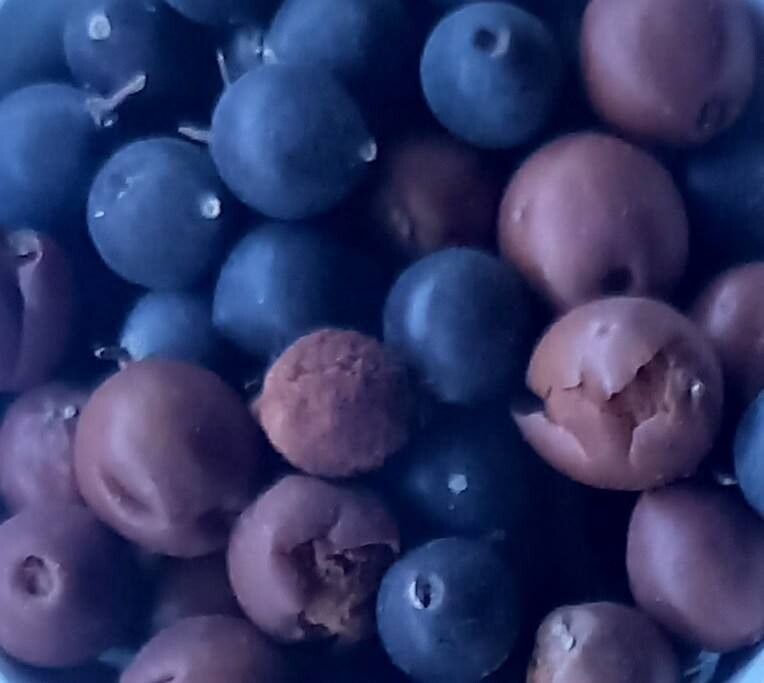
Oh, hello there! Come on in, grab a cup of something warm. Today, let’s chat about a real gem of a tree: Celtis caucasica, or the Caucasian Hackberry. You might know it as the Hackberry, or just a handsome, shapely tree with lovely, dappled shade and interesting bark. I’ve been growing and admiring these trees for two decades now, and there’s something uniquely satisfying about coaxing a new life from a branch or a seed. If you’re looking for a project that’s a bit different and just might surprise you with its resilience, propagating Caucasian Hackberry could be just the ticket. While it’s not the absolute easiest plant for a complete beginner, it’s certainly achievable with a little patience and the right approach.
The Best Time to Start
For the highest success rate with Celtis caucasica, I find late spring to early summer is your golden window. This is when the plant is actively growing, and its stems are still somewhat soft and pliable. You want to work with material that has a good amount of energy stored within it. Waiting until the wood has started to harden off, typically after flowering or fruiting, can make it a bit more stubborn to root.
Supplies You’ll Need
Before we get our hands dirty, let’s gather our essentials:
- Sharp Pruning Shears or a Knife: Cleanliness is key for preventing disease.
- Rooting Hormone (Optional but Recommended): A powder or gel form can give your cuttings a helpful boost.
- Well-Draining Potting Mix: I prefer a blend of equal parts peat moss or coco coir, perlite, and coarse sand. This ensures good aeration and prevents waterlogging, which is crucial.
- Small Pots or Trays: Clean containers with drainage holes are a must.
- Clear Plastic Bags or a Propagator: To create a humid environment.
- Watering Can with a Fine Rose: For gentle watering.
- Newspaper or a Tray: To catch any mess.
Propagation Methods
Caucasian Hackberry can be a bit selective about how it likes to be propagated, but I’ve found success with a couple of primary methods.
Stem Cuttings (The Most Reliable for Me)
This is usually my go-to for woody perennials and trees like our Hackberry.
- Take Your Cuttings: In late spring or early summer, select healthy, vigorous stems from your mature tree. Look for shoots that are about pencil-thick and still somewhat flexible – not completely green and soft, but not hard and woody either. This is often called “semi-hardwood.”
- Prepare the Cuttings: Using your clean pruning shears, cut lengths of about 4-6 inches. Make the cut just below a leaf node (where a leaf attaches to the stem). Remove the leaves from the bottom half of the cutting. If a cutting has large leaves, I’ll often cut the remaining leaves in half horizontally. This reduces water loss through transpiration while still allowing for some photosynthesis.
- Apply Rooting Hormone: Dip the cut end of each stem into rooting hormone powder or gel, tapping off any excess. This isn’t strictly necessary, but it definitely gives them an edge.
- Plant Your Cuttings: Fill your clean pots with your well-draining potting mix. Make a hole in the center with a pencil or your finger. Gently insert the base of the cutting into the hole, ensuring the rooting hormone stays on the cut end. Firm the soil gently around the stem.
- Water and Cover: Water thoroughly until water drains from the bottom. You want the soil to be moist but not saturated. Now, cover the pot with a clear plastic bag or place it in a propagator. You can use sticks or stakes to keep the bag from touching the leaves. This humidity tent is vital for preventing the cuttings from drying out.
Seed Propagation (A Bit More of a Gamble)
While possible, seeds can be notoriously difficult to get started with Celtis caucasica. They often require a period of cold, moist stratification to break dormancy.
- Collect and Clean Seeds: Harvest the fruits when they are ripe, usually in the fall. Clean the seeds thoroughly by removing all pulp.
- Stratification: Mix the cleaned seeds with a damp (not wet) medium like peat moss or vermiculite and place the mixture in a sealed plastic bag. Store this in the refrigerator (not freezer) for about 3-4 months. Check periodically to ensure the medium stays moist and that no mold develops.
- Sowing: After stratification, sow the seeds shallowly in pots filled with your seed-starting mix (often a lighter blend than for cuttings).
- Germination: Keep them consistently moist and at a warm temperature. Patience is key here, as germination can be erratic.
The “Secret Sauce” (Pro Tips)
Here are a few tricks I’ve learned over the years that can really make a difference:
- Bottom Heat is Your Friend: While not always essential, placing your pots on a heat mat designed for propagation can significantly speed up the root development process. It encourages root growth from the bottom up.
- Don’t Let Leaves Dangle in Water (If Water Propagating): If you decide to try rooting cuttings in water (though I find it less successful for Hackberry than soil), ensure the leaves are well above the water line. Submerged leaves will rot quickly, taking the whole cutting with them. I’ve learned this lesson the hard way!
- Heel Your Cuttings (Optional but Helpful): When taking stem cuttings, sometimes I’ll try to include a small sliver of the older stem attached to the base of the cutting. This is called taking a “heeled” cutting and can sometimes give the new roots a better base to form from.
Aftercare & Troubleshooting
Once you see those first signs of life – perhaps new leaf buds appearing or you gently tugging on a cutting and feeling resistance (indicating roots!) – congratulations!
- Acclimatize Gradually: If your cuttings are under a plastic bag or in a propagator, slowly start to wean them off the high humidity. Open the bag a little each day, or remove the propagator lid for longer periods. This prevents shock when you eventually remove the cover completely.
- Gentle Watering: Continue to water carefully. The young roots are delicate. Let the top inch of soil dry out slightly before watering again.
- Light Requirements: Place the newly rooted plants in a bright spot, but avoid direct, harsh sunlight for the first few weeks. A bright windowsill or a partially shaded area outdoors is ideal.
Troubleshooting:
- Rot: This is the most common culprit for propagation failure. If your cuttings turn black and mushy, it’s almost always due to too much moisture and poor drainage. Ensure your soil mix is airy and don’t overwater.
- Wilting: If a cutting is wilting, it’s usually a sign that it’s drying out. Check your humidity levels, ensure the soil is moist (but not soggy), and avoid direct sun.
- No Activity: Sometimes, cuttings just don’t take. This can be due to the timing, the health of the parent plant, or even the specific hormones of that particular stem. Don’t be discouraged! It’s all part of the learning process.
A Little Patience Goes a Long Way
Propagating Celtis caucasica is a journey, not a race. It requires a bit of observation, a touch of intuition, and a whole lot of patience. But when you see those roots forming, or a tiny seed sprout into a new tree, you’ll understand why it’s so incredibly rewarding. Enjoy the process, learn from each attempt, and happy gardening!
Resource:
https://identify.plantnet.org/k-world-flora/species/Celtis%20caucasica%20Willd./data