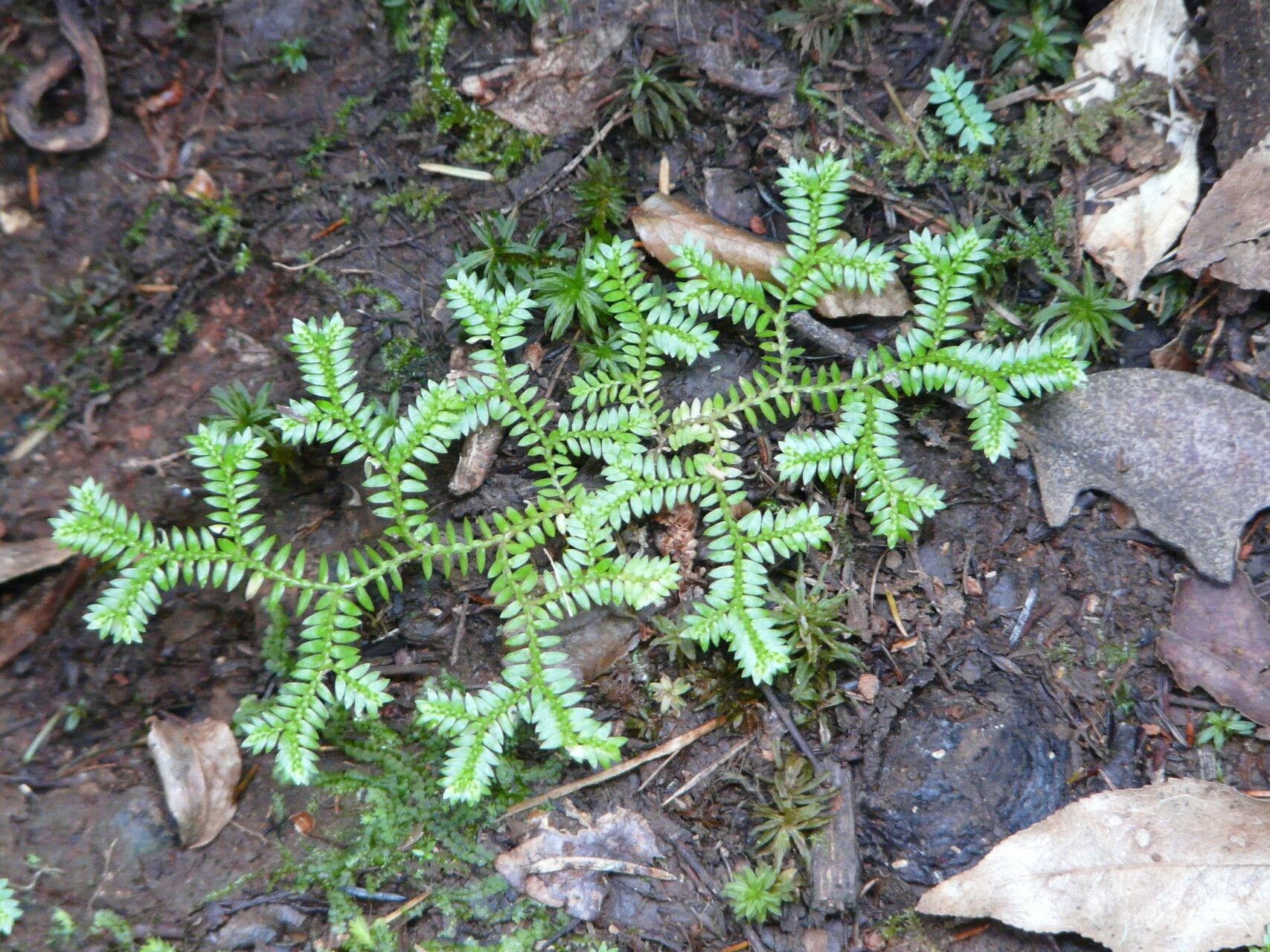
Ah, Selaginella kraussiana! Those delicate, fern-like fronds have a way of bringing a touch of magic to any shady corner, don’t they? Whether you call it Spur Moss or Krauss’s Spikemoss, this little charmer is a joy to grow. And the best part? You can easily multiply your collection! Propagating Selaginella is a really rewarding experience, and I’m happy to say, it’s quite forgiving, even for those just starting out on their plant parent journey.
The Best Time to Start
My go-to time for propagating Selaginella kraussiana is spring and early summer. Think of it as when your plants are feeling most energetic after their winter rest. They’re pushing out new growth, and those lush, vibrant stems are perfect for taking cuttings. You can certainly try it at other times, but you’ll likely find the most success when the days are getting longer and warmer.
Supplies You’ll Need
To get your Selaginella propagation off to a flying start, you’ll want to gather a few essentials:
- Sharp, clean pruning shears or a sharp knife: For making clean cuts.
- A well-draining potting mix: I like a blend of half peat moss and half perlite, or a good quality houseplant mix with added perlite.
- Small pots or seed trays: Clean ones, of course! Yogurt cups with drainage holes poked in work in a pinch.
- Rooting hormone (optional but recommended): A little dust can really speed things up.
- A clear plastic bag or a propagator lid: To create a humid environment.
- Water: For keeping things moist.
Propagation Methods
Selaginella kraussiana is wonderfully adaptable, and I find two methods work exceptionally well: stem cuttings and división.
Stem Cuttings
This is my absolute favorite for Selaginella. It’s so straightforward!
- Select a healthy stem from your mature plant. Look for one that’s about 3-4 inches long and has plenty of bright green foliage.
- Make a clean cut just below a leaf node. A leaf node is where a leaf meets the stem – that’s where the magic of root formation happens!
- Remove the lower leaves from the cutting. You want to clear about an inch or so of stem so that those lower parts can go into the soil (or water).
- Dip the cut end in rooting hormone, if you’re using it. Gently tap off any excess.
- Insert the cutting into your prepared potting mix. Make a small hole with your finger or a pencil first to avoid knocking off the rooting hormone. Firm the soil gently around the stem.
- Water gently until the soil is evenly moist, but not waterlogged.
- Cover the pot with a clear plastic bag or propagator lid. This is crucial for maintaining high humidity which Selaginella absolutely adores. You can prop up the bag with a few stakes so it doesn’t crush the leaves.
- Place in bright, indirect light. Avoid direct sun, as it can scorch those delicate cuttings. I like to keep them on a shelf near a window, or in a grow tent.
Division
If your Selaginella is looking a bit crowded and bushy, division is a fantastic way to get more plants and refresh the parent plant.
- Gently remove the entire plant from its pot.
- Carefully tease apart the root ball with your fingers. You’re aiming to separate it into smaller clumps, each with its own roots and some leafy growth. Don’t be afraid to be a little firm, but avoid ripping or tearing the roots if possible. If there are really dense sections, you can sometimes use a clean, sharp knife to cut through them.
- Pot up each division into its own container filled with your well-draining potting mix.
- Water well after potting.
- Keep the newly potted divisions in a humid environment and bright, indirect light, just as you would with cuttings.
The “Secret Sauce” (Pro Tips)
Here are a few little tricks I’ve learned over the years that can make a big difference:
- Don’t let the leaves touch the water (if attempting water propagation): While some plants love sitting in water, Selaginella cuttings can be prone to rot if their leaves are submerged. If you are trying water propagation, make sure only the bare stem is in the water. Honestly, though, I find soil propagation yields much better results for this plant.
- Consider bottom heat: If you have the means, placing your pots on a heat mat set to a low temperature (around 70-75°F or 21-24°C) can significantly speed up root development. It mimics the warmth of spring soil and gives those tiny roots a real boost.
- Mist regularly, but carefully: While humidity is key, overly wet leaves can invite fungal issues. A light misting once or twice a day is usually sufficient. If you notice water droplets lingering on the leaves for hours, you might have too much air circulation, or your mist is too heavy. Wicking away excess water with a paper towel can help.
Aftercare & Troubleshooting
Once you start seeing signs of new growth – tiny new leaves unfurling or the stem looking plump and healthy – it’s a good sign roots are forming! You can gently tug on a cutting to feel for resistance, or carefully peek at the bottom of the pot for emerging roots.
When roots are established, you can gradually acclimate your new Selaginella to slightly lower humidity and more regular watering. Remove the plastic bag a little at a time over a week or so, allowing it to adjust. Continue to water when the top inch of soil feels dry.
The most common problem you’ll encounter is rot, which usually shows up as mushy, brown stems or leaves. This is almost always a result of overwatering or poor drainage. If you see this, act quickly. Remove the affected part immediately with clean shears. Sometimes, you can salvage a cutting if you catch it early enough by repotting it into drier soil. Yellowing leaves can also indicate too much light or not enough water.
A Encouraging Closing
Propagating Selaginella kraussiana is such a delightful way to expand your indoor jungle and share the green love with friends. Be patient with your new little plants – they take their time getting established. Just provide consistent moisture, good humidity, and bright, indirect light, and before you know it, you’ll have a small forest of your own! Happy propagating!
Resource: