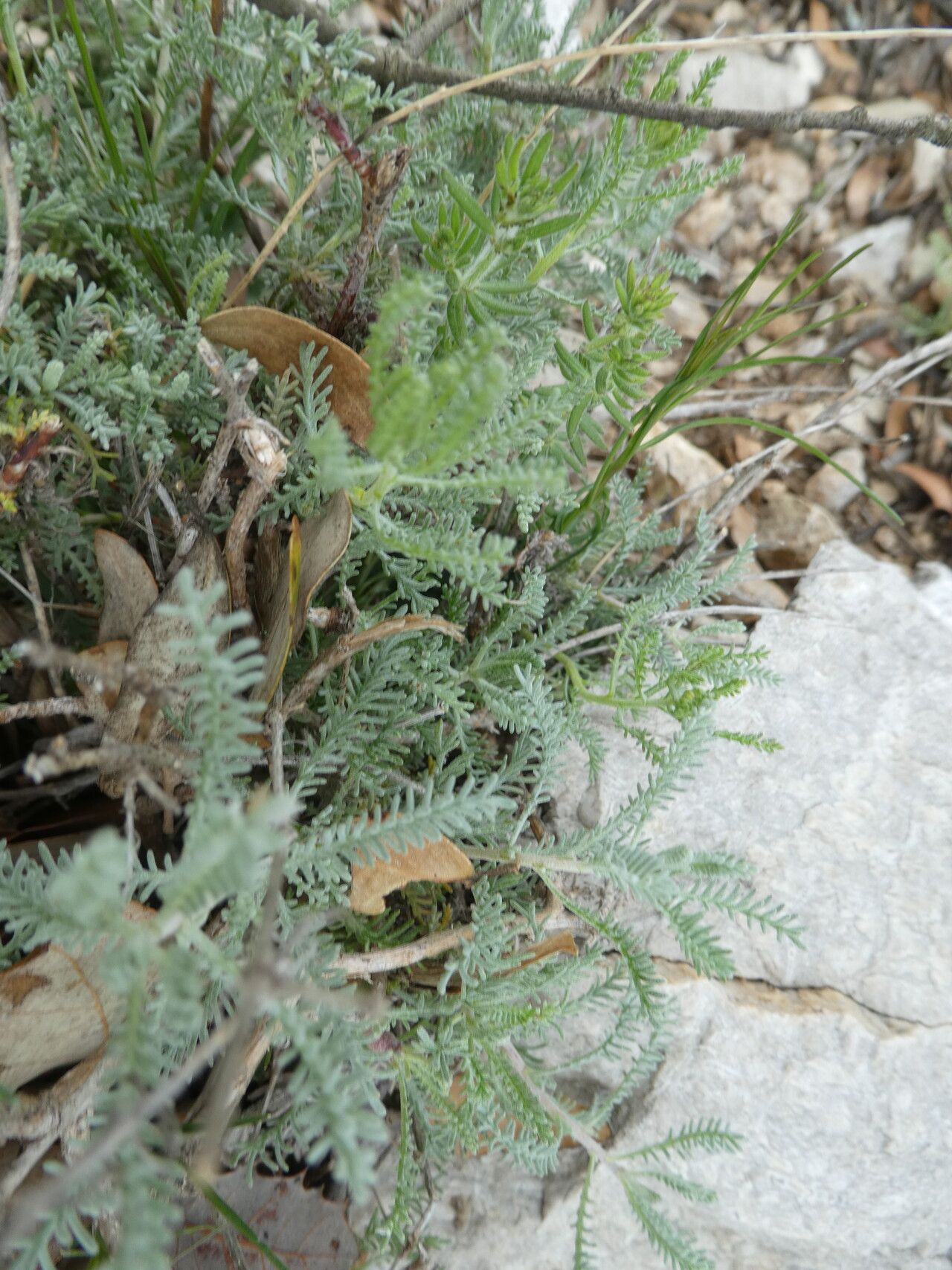
Oh, happy day! Today, we’re diving into the wonderful world of propagating Santolina pectinata, also known as Meadow Cotton Lavender. If you’ve ever seen these fluffy, silvery mounds of foliage, often dotted with charming yellow button flowers, you’ll know why they’re such a joy in the garden. They have this wonderful texture and a gentle, almost herbal scent that just makes you want to reach out and touch them.
Propagating your own Santolina pectinata is incredibly rewarding. It’s a fantastic way to fill in gaps in your garden, share with friends, or even just to marvel at the miracle of new life. And for you beginners out there, I’m happy to report that this plant is quite forgiving. You’ll likely have a good success rate with a little patience and following a few simple steps.
The Best Time to Start
For the absolute best chance of success, I always recommend taking cuttings in late spring or early summer, just as the plant is finishing up its main flush of growth. You want to look for stems that are slightly woody but still have a bit of flexibility to them. Avoid taking cuttings from the very soft, new growth, as it tends to be a bit too tender and can rot easily.
Supplies You’ll Need
Here’s what you’ll want to have on hand before you get started:
- Sharp Pruning Shears or a Craft Knife: Cleanliness is key here!
- Rooting Hormone (Optional but Recommended): Powder or gel form works well. It really gives your cuttings a helpful boost.
- Well-Draining Potting Mix: A good blend for cacti and succulents, or your own mix of potting soil, perlite, and a little sand, is perfect.
- Small Pots or Seed Trays: With drainage holes, of course!
- Labels and a Pen: You’ll thank yourself later for keeping track.
- A Spray Bottle: For gentle misting.
- A Plastic Bag or Clear Dome: To create a mini-greenhouse effect.
Propagation Methods
I find the easiest and most reliable method for Santolina pectinata is by stem cuttings.
- Select Your Cuttings: Gently bend a stem downwards. If it snaps cleanly and has a bit of a woody base, it’s a good candidate. Aim for cuttings about 3-4 inches long.
Resource:
https://identify.plantnet.org/k-world-flora/species/Santolina%20pectinata%20Lag./data