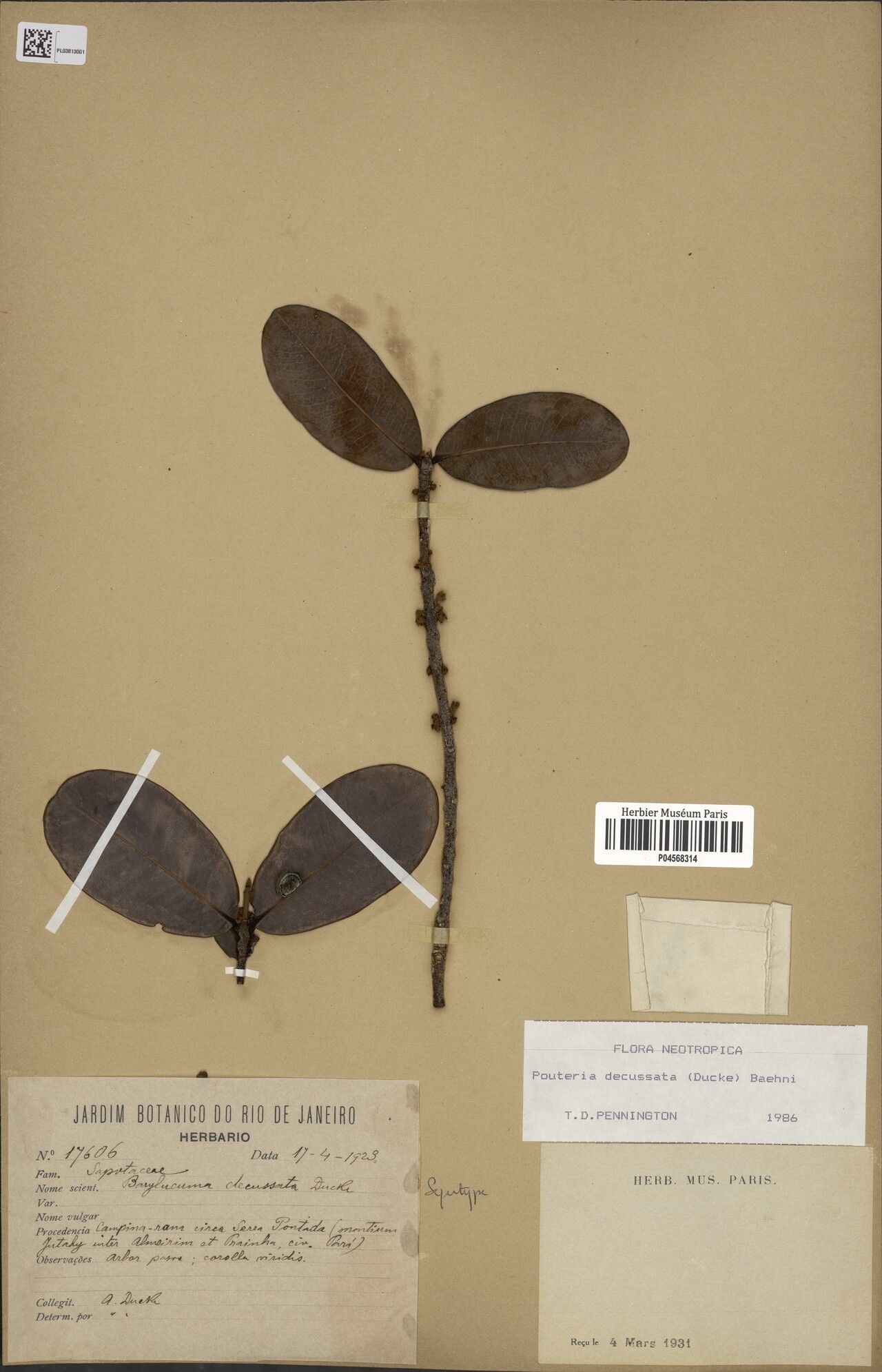
Hello there, fellow plant enthusiasts! It’s so exciting to dive into the world of Pouteria decussata with you today. If you’ve ever admired its glossy, dark green leaves and the promise of delicious, tropical fruit (if you’re in the right climate, of course!), you’re in for a treat. Propagating these beauties is a journey that truly connects you with the plant’s life cycle, and witnessing a new little Pouteria sprout from your efforts is one of the most satisfying feelings in gardening. Now, let’s be upfront: Pouteria decussata can be a tad particular, so while it might not be the absolute easiest plant for a complete beginner, with a little patience and these tips, you can absolutely succeed.
The Best Time to Start
When it comes to getting your Pouteria decussata off to the best start, timing is everything. I’ve found the most success when I propagate during the late spring or early summer. This is when the plant is actively growing and has stored up plenty of energy. You’re looking for new, but not too soft, growth. Think of it as slightly firm, but still bendy – not woody and old, nor impossibly soft and new. This active growth phase is crucial for successful rooting.
Supplies You’ll Need
Before we get our hands dirty, let’s gather our tools. Having everything ready will make the process much smoother. You’ll want:
- Sharp pruning shears or a clean, sharp knife: For making clean cuts.
- Rooting hormone powder or gel: This is a real game-changer for encouraging root development.
- A well-draining potting mix: I usually go for a 50/50 mix of perlite and a good quality peat-free potting soil. You can also add a bit of orchid bark for extra drainage.
- Small pots or seed trays: Clean, clean, clean! Sterilize them if you can.
- Clear plastic bags or a propagator: To create a humid environment.
- Watering can or spray bottle: For gentle watering and misting.
- Optional: A heat mat: This can provide consistent warmth from below, which is a big help.
Propagation Methods
Let’s explore the ways we can coax new life from our Pouteria decussata.
Stem Cuttings
This is my go-to method for Pouteria. It’s reliable and gives you a good chance of success.
- Select Your Cuttings: Look for those healthy, semi-hardwood stems I mentioned earlier. Aim for cuttings that are about 4-6 inches long.
- Make the Cut: Use your clean shears or knife to make a clean cut just below a leaf node. This is where the magic happens.
- Prepare the Cutting: Gently remove the lower leaves, leaving just a few at the top. This prevents them from rotting in the soil. If you have any flowers or fruit, snip those off too.
- Apply Rooting Hormone: Dip the cut end of the stem into your rooting hormone, ensuring it’s coated about an inch up. Tap off any excess.
- Plant Your Cuttings: Make a small hole in your prepared potting mix with a pencil or your finger. Gently insert the cutting, making sure the node where you removed the leaves is buried. Firm the soil around the stem to anchor it.
- Create Humidity: Water the soil gently until it’s evenly moist but not soggy. Then, cover the pot with a clear plastic bag or place it in a propagator. You want to trap humidity, but make sure the leaves don’t directly touch the plastic. You can use small stakes to prop it up.
Water Propagation (Use with Caution!)
While some plants root beautifully in water, Pouteria decussata can be a bit fussier. If you do try this, be aware that the transition to soil can be tricky.
- Prepare the Cuttings: Follow steps 1-3 from the stem cuttings method.
- Place in Water: Place the cuttings in a clean glass jar or vase filled with clean, room-temperature water.
- Location is Key: Keep the jar in a bright spot, but out of direct sunlight.
- Change the Water Regularly: This is crucial! Change the water every few days to prevent bacterial growth and keep it fresh.
- Watch for Roots: You’ll eventually see tiny white roots emerge. Once they are about an inch long, it’s time to move them to soil. Be gentle!
The “Secret Sauce” (Pro Tips)
Here are a few little tricks I’ve learned over the years that can really boost your success rate:
- Don’t Drench, Just Dampen: Overwatering is the quickest way to lose a cutting. The goal is consistently moist soil, not waterlogged. I often mist the surface of the soil lightly with a spray bottle daily, especially if it feels dry.
- Bottom Heat is Your Friend: Pouteria, like many tropical plants, loves a bit of warmth from below. Placing your pots on a heat mat set to around 70-75°F (21-24°C) can significantly speed up root formation. You’ll see roots develop much more readily when that soil is cozy.
- Patience and Observation: Don’t be tempted to constantly pull your cuttings up to check for roots! This can damage delicate new growth. Trust the process, and resist the urge. Instead, look for signs of new leaf growth at the top of the cutting – that’s a great indicator that roots are forming below.
Aftercare & Troubleshooting
Once you start seeing those lovely new roots emerge (either by seeing them peek through the drainage holes, or by observing new growth on the stem), it’s time for a little extra TLC.
- Gradual Acclimation: If you used a plastic bag, slowly start to introduce your new plant to less humid conditions over a week or so. Open the bag for longer periods each day.
- First Potting: Water the new plant thoroughly after potting to help settle the soil around the roots.
- Bright, Indirect Light: Place your young Pouteria in a spot that receives bright, indirect light. Avoid harsh, direct sun which can scorch those tender new leaves.
- Common Issues: The biggest enemy here is root rot, often caused by overwatering. You’ll see yellowing leaves that may then blacken and fall off, and the stem might become mushy. If you suspect rot, check the soil moisture immediately and adjust your watering. Sometimes, if caught early, you can save a cutting by letting it dry out more and even trimming away any rotten parts. Another sign of failure is wilting that doesn’t improve with watering, which could indicate the cutting never rooted.
A Encouraging Closing
Propagating Pouteria decussata is a rewarding endeavor that brings you closer to nature’s magic. Don’t be discouraged if your first attempt isn’t perfect. Gardening is a continuous learning process, and each experience teaches us something new. Be patient with your cuttings, nurture them with care, and enjoy the wonderful journey of watching them grow. Happy propagating!
Resource:
https://identify.plantnet.org/k-world-flora/species/Pouteria%20decussata%20(Ducke)%20Baehni/data