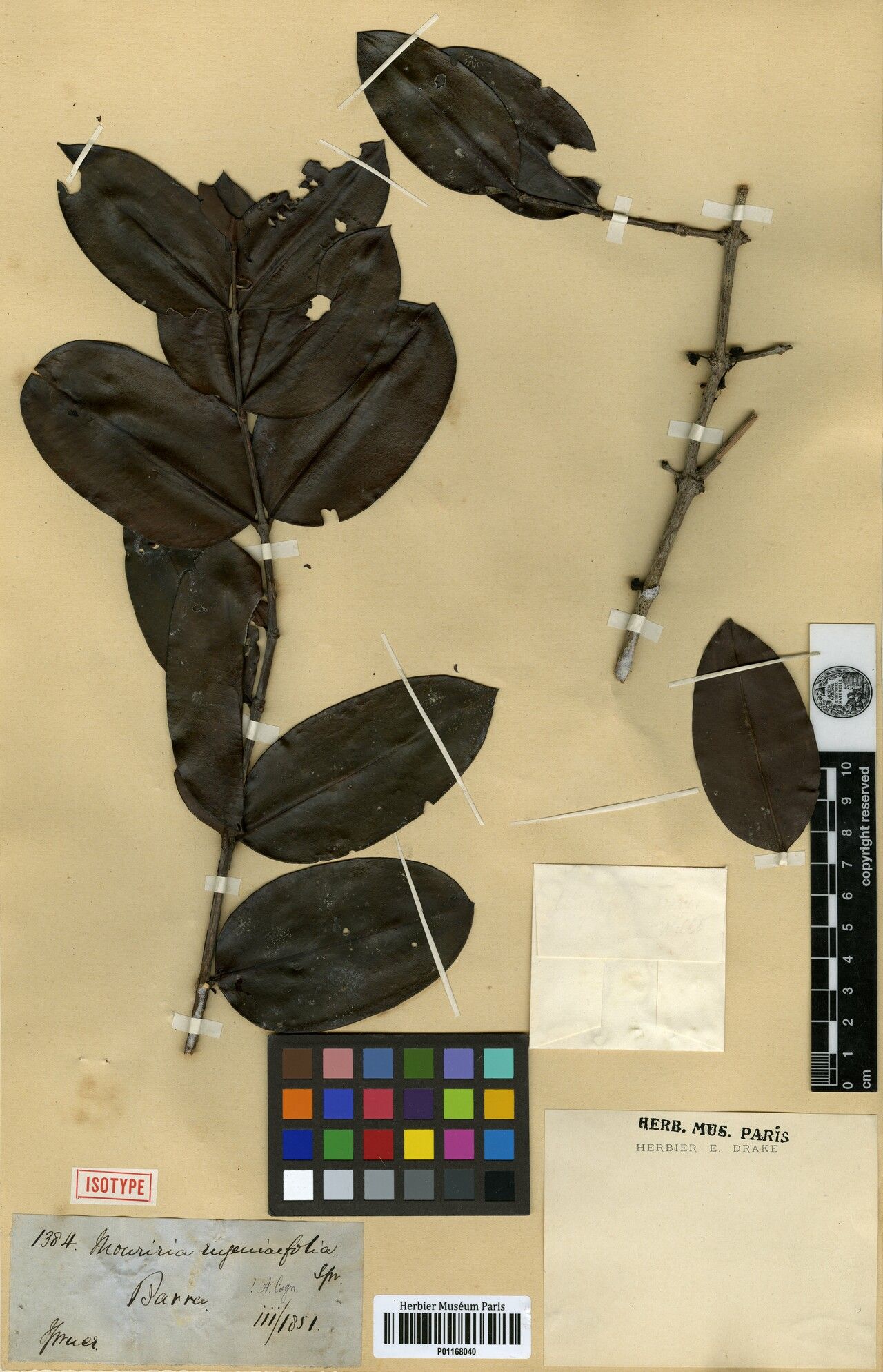
Hello, green thumbs! Pull up a chair and let’s chat about a truly special plant I’ve been growing for years: Mouriri eugeniifolia. If you’ve ever admired its glossy, leathery leaves and wondered how to get more of these beauties for your own garden, you’re in the right place. Propagating Mouriri eugeniifolia is a delightful journey, and while it might not be your absolute easiest first-time plant to propagate, the satisfaction of growing your own from a tiny cutting is immense. It’s a rewarding process that connects you even more deeply with these magnificent plants.
The Best Time to Start
For the highest success rate with Mouriri eugeniifolia, I always aim for late spring to early summer. This is when the plant is actively growing and has plenty of energy to put into developing new roots. You’ll want to take cuttings from stems that are semi-hardwood – meaning they have started to mature and firm up, but are not yet completely woody and rigid. Think of it as a twig that’s flexible but not floppy.
Supplies You’ll Need
Gathering your supplies beforehand makes the whole process smoother. Here’s what I recommend:
- Sharp Pruning Shears or a Craft Knife: Clean cuts are crucial.
- Rooting Hormone: A powder or gel form works well.
- Well-Draining Potting Mix: I usually use a blend of equal parts peat moss, perlite, and coarse sand. Some people have success with straight perlite or vermiculite too.
- Small Pots or Propagation Trays: Clean ones are a must!
- Plastic Bag or Humidity Dome: To create that essential humid environment.
- Watering Can with a Fine Rose: For gentle watering.
- Optional: Bottom Heat Mat: This can significantly speed up rooting.
Propagation Methods: Stem Cuttings
This is my go-to method for Mouriri eugeniifolia. It’s reliable and yields great results.
- Select Your Cuttings: Look for healthy, vigorous stems. Choose sections that are about 4-6 inches long, with at least two sets of leaves.
- Make the Cut: Using your sharp shears or knife, make a clean cut just below a leaf node (where a leaf attaches to the stem). This is where roots are most likely to form. Remove the leaves from the bottom half of the cutting, leaving only a couple at the very top.
- Prepare for Rooting: Dip the cut end of the stem cutting into your rooting hormone, ensuring it’s well-coated. Tap off any excess.
- Plant Your Cuttings: Fill your small pots with your well-draining potting mix. Make a small hole in the center of each pot with your finger or a pencil. Insert the prepared cutting into the hole, and gently firm the soil around it. Ensure the top leaves are not touching the soil surface.
- Water Gently: Water thoroughly but gently, allowing excess water to drain away.
- Create Humidity: Cover each pot with a clear plastic bag, securing it with a rubber band, or place them under a humidity dome. If using a bag, you might need to prop it up with a chopstick to prevent it from touching the leaves.
- Place in Bright, Indirect Light: Find a warm spot that receives bright, filtered light. Avoid direct sun, which can scorch the tender cuttings.
The “Secret Sauce”: Insider Pro Tips
Here are a couple of things I’ve learned over the years that really make a difference with trickier propagations like this:
- Bottom Heat is Your Friend: If you have a bottom heat mat, use it! A consistent, gentle warmth from beneath the pots provides the perfect incubator for roots to develop. I aim for around 70-75°F (21-24°C).
- Don’t Disturb the Roots Too Soon: I know it’s tempting to peek, but resist the urge to tug on your cuttings to check for roots until you see definite signs of new growth above the soil. Even then, be very gentle. Disturbing developing roots can set them back significantly. Patience is key!
- Air Out Regularly: Even with a humidity dome or bagged cuttings, it’s a good idea to remove the cover for a short while each day to allow for air circulation. This helps prevent fungal diseases from taking hold.
Aftercare & Troubleshooting
Once you see new leaf growth appearing, that’s a strong indicator that roots have formed. You can then begin to gradually acclimatize your new plants to drier air by slightly opening the plastic bag or humidity dome over a week or two. Continue to water them as needed, keeping the soil consistently moist but not waterlogged.
The most common sign of failure is wilting and browning stems, which can indicate rot. This often happens if the soil is too wet or there isn’t enough air circulation. If you notice this, remove the affected cutting immediately to prevent it from spreading. Yellowing leaves can sometimes mean they are getting too much light, or the soil is deficient.
A Little Patience Goes a Long Way
Propagating Mouriri eugeniifolia might take some time – we’re talking weeks, sometimes even a couple of months, for roots to develop fully. But trust me, the feeling of success when you see that first tiny leaf unfurl, knowing you grew it yourself, is absolutely wonderful. Enjoy the process, learn from each cutting, and before you know it, you’ll have a whole collection of these gorgeous plants. Happy gardening!
Resource: