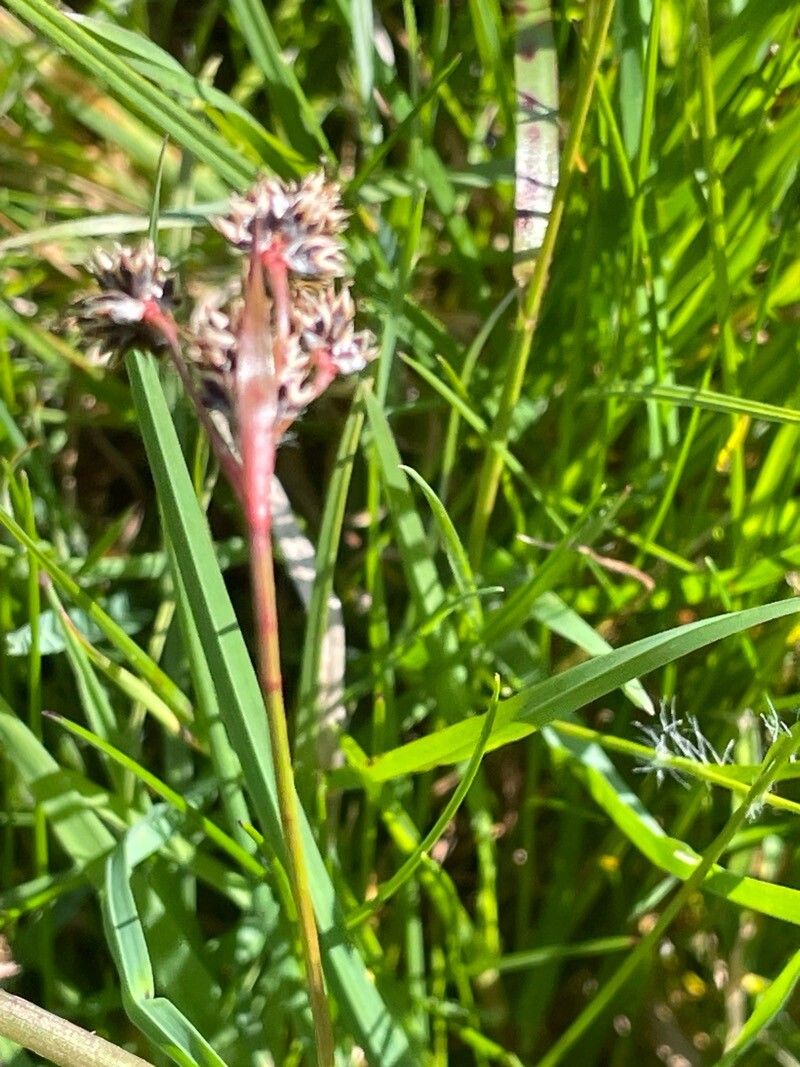
Oh, hello there, garden friend! Grab your favorite mug, because today we’re diving into something truly special: Luzula campestris, or as many of us affectionately call it, Field Wood-rush. This beauty, with its elegant, grassy tufts and delicate flower spikes, brings such a lovely, understated charm to any garden. It’s the kind of plant that just sighs contentment, and trust me, coaxing more of these beauties into existence is incredibly rewarding. If you’re new to the plant-parenting game, you’ll be happy to hear that Luzula campestris is wonderfully easy to propagate. So, let’s get our hands a little dirty!
The Best Time to Start
For the highest success rate with Luzula campestris, I find that spring is absolutely your best bet. As the soil begins to warm up and the plant is emerging from its winter slumber, it’s bursting with energy. This is when it’s most receptive to new growth and root development. Aim for early to mid-spring, just as new shoots are appearing from the ground.
Supplies You’ll Need
Gathering your tools beforehand makes the whole process so much smoother. Here’s what you’ll want to have on hand:
- Sharp Pruning Shears or a Knife: Needs to be clean!
- Small Pots or Trays: For your new little ones.
- Well-Draining Potting Mix: A good blend of potting soil and perlite is perfect. Avoid anything too heavy.
- Rooting Hormone (Optional but Recommended): This really gives your cuttings a boost.
- Watering Can with a Fine Rose: Gentle watering is key.
- Labels and a Pen: To keep track of what’s what.
Propagation Methods
Now, let’s get to the fun part! For Luzula campestris, division is by far the most straightforward and successful method.
Method: Division
This is like giving your existing plant a gentle haircut and sharing the bounty.
- Dig Up the Plant: In early spring, gently dig up your Luzula campestris plant. You don’t need to get the whole root ball, just enough to cleanly separate sections.
- Examine the Root Ball: Once it’s out of the ground, you’ll see that the plant naturally forms clumps. You can gently tease these apart with your hands. If the roots are a bit tightly bound, use your clean pruning shears or knife to cut through them.
- Separate into Smaller Divisions: Aim for divisions that have at least one healthy bud or shoot and a good amount of roots. Don’t be afraid to make smaller divisions; often, even a small piece will happily establish itself.
- Pot Them Up: Fill your small pots with your well-draining potting mix. Make a small hole in the center of the soil for each division.
- Plant Your Divisions: Place each division into the hole, ensuring the roots are well-spread out. Cover with soil, firming gently around the base. The top of the root ball should be just at soil level.
- Water Gently: Give your newly potted divisions a good, but gentle, watering. You want the soil to be moist, not waterlogged.
The “Secret Sauce” (Pro Tips)
Here are a few little tricks I’ve learned over the years that can make a big difference:
- Don’t Overcrowd: When dividing, give each new piece enough space. Trying to cram too many into one pot can lead to them competing for resources and increase the risk of rot.
- Patience with Roots: Luzula campestris develops a relatively fine root system. Don’t tug on your new plants to see if they’ve rooted! Wait until you see actual new growth appearing from the crown before you try to disturb them.
- Morning Sun is Your Friend: Once potted, place your new divisions in a spot that receives bright, indirect light or gentle morning sun. Avoid harsh, direct afternoon sun, especially when they are still establishing.
Aftercare & Troubleshooting
Once your divisions are happily settling in, keep the soil consistently moist but not soggy. You’ll know they’re rooting when you start to see fresh, green shoots emerging.
The main thing to watch out for is rot. If your divisions look limp, mushy, or discolored, it’s usually a sign that they’re getting too much water. If this happens, you can try gently scooping them out, allowing them to air dry for a few hours, and then repotting them into fresh, slightly drier soil. Sometimes, a little too much love with the watering can is the culprit!
A Encouraging Closing
It’s a truly beautiful thing to watch a tiny division transform into a lush, new plant. Remember, gardening is about connection, and propagating your Luzula campestris is a wonderful way to deepen that bond with nature. Be patient with your new arrivals, offer them good care, and don’t be discouraged if a few don’t make it. Each setback is just a lesson learned. Enjoy the process, my friend, and soon you’ll have even more of this delightful wood-rush to share!
Resource:
https://identify.plantnet.org/k-world-flora/species/Luzula%20campestris%20(L.)%20DC./data