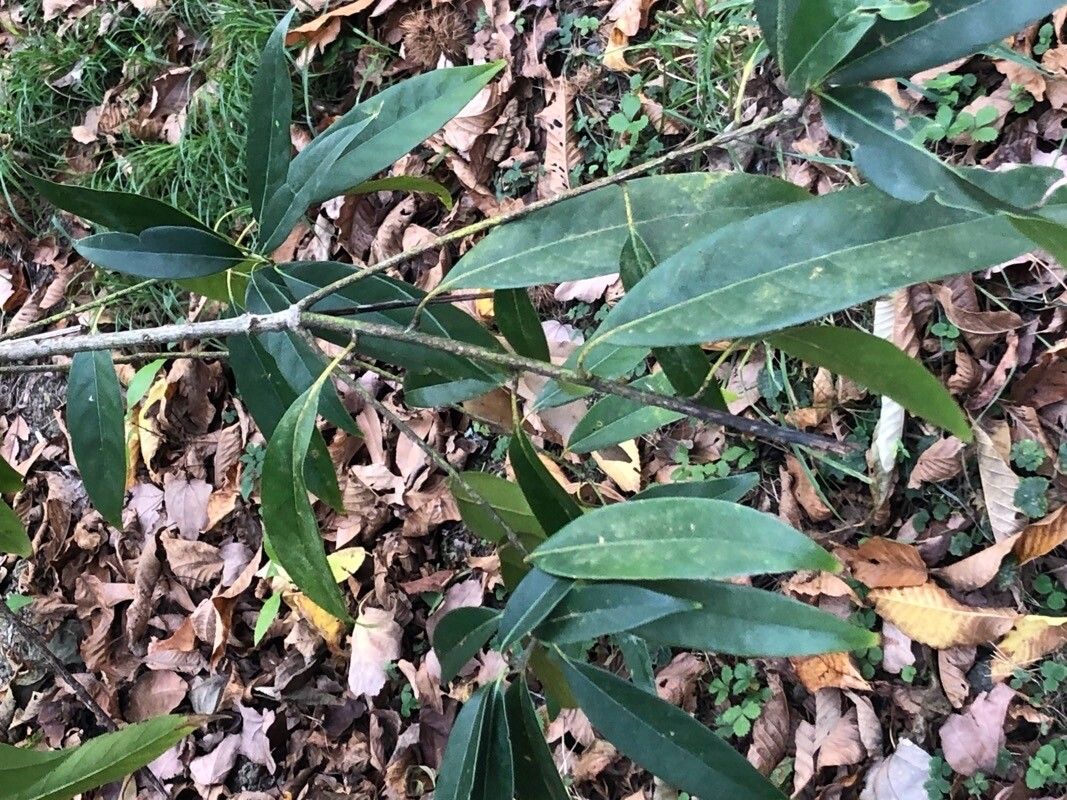
Oh, Lithocarpus harlandii! If you haven’t met this beauty yet, you’re in for a treat. I affectionately call them my “little oak cousins” because of their striking resemblance to oak leaves, though they belong to the fascinating Lithocarpus genus. Their glossy, leathery foliage brings such a sophisticated touch to any garden or indoor collection. And the real joy? Propagating them. It’s a wonderful way to expand your collection and share these gems with friends. Now, I’ll be honest with you, Lithocarpus harlandii isn’t the absolute easiest plant to propagate for a complete beginner, but with a little careful attention and these steps, you’ll be well on your way!
The Best Time to Start
Timing is everything in the garden, and with Lithocarpus harlandii, you’ll want to focus on the late spring to early summer. This is when the plant is actively growing and has plenty of energy to put into developing new roots. Look for stems that are semi-hardwood – meaning they’re not brand new and tender, but also not fully woody and mature. They should be flexible enough to bend without snapping easily.
Supplies You’ll Need
Gathering your supplies before you begin makes the whole process smoother. Here’s what I usually have on hand:
- Sharp Pruning Shears or a Knife: Cleanliness is key! Make sure they’re sterilized with rubbing alcohol.
- Rooting Hormone: Powder or gel. It really gives your cuttings a head start.
- Potting Mix: A well-draining blend is crucial. I like a mix of perlite, peat moss, and a bit of coarse sand. You can also use a specialized cacti and succulent mix if you find one with good aeration.
- Small Pots or Propagation Tray: With drainage holes, of course.
- Clear Plastic Bag or Propagation Dome: To create a humid environment.
- Watering Can with a Fine Rose: For gentle watering.
- Labels and a Marker: So you don’t forget what you’ve propagated and when!
Propagation Methods
While Lithocarpus harlandii can be a bit fussy, stem cuttings are usually your best bet for success. Let’s walk through it.
Stem Cuttings
- Select Your Cuttings: Using your sterilized shears, take cuttings that are about 4-6 inches long. Make your cut just below a leaf node (where a leaf attaches to the stem).
- Prepare the Cuttings: Gently remove the lower leaves from the bottom half of the cutting. Be careful not to damage the remaining leaves. If you have very large leaves, you can cut them in half horizontally to reduce water loss.
- Apply Rooting Hormone: Dip the cut end of the stem into your rooting hormone, tapping off any excess.
- Plant the Cuttings: Fill your small pots with the well-draining potting mix. Make a small hole with your finger or a pencil, and carefully insert the cutting. Gently firm the soil around the base to ensure good contact.
- Water Gently: Water the soil thoroughly but gently, allowing excess water to drain away.
- Create Humidity: Cover the pot with a clear plastic bag or place it under a propagation dome. Make sure the bag or dome doesn’t touch the leaves. You might need to support it with a few stakes. Place this in a bright spot, but out of direct sunlight.
The “Secret Sauce” (Pro Tips)
These little nuggets of wisdom have saved me a lot of grey hairs over the years!
- Bottom Heat is Your Friend: For Lithocarpus harlandii, providing gentle bottom heat can significantly speed up root development. A heat mat designed for seedlings works wonders. Just place your pots on top of it.
- Don’t Over-Water! This is probably the most common mistake. The soil should be consistently moist, not waterlogged. If the potting mix feels soggy, you’re inviting rot. Allow the very surface to dry slightly between waterings.
- Air Circulation Matters: Even though we want humidity, a little bit of airflow is important. Every few days, lift the plastic bag or dome for a short period (5-10 minutes) to allow for some fresh air exchange. This helps prevent fungal issues.
Aftercare & Troubleshooting
Once your cuttings have successfully rooted – you’ll know when new growth appears and you feel a gentle resistance when you tug very lightly on the cutting – it’s time for a little more attention.
Gradually acclimate your new plants to normal room humidity by slowly opening the plastic bag or dome over a week or two. Continue to water them as needed, letting that potting mix dry out just a touch between waterings.
The biggest culprit for failure with cuttings is rot. If you notice your cutting turning black and mushy, it’s likely succumb to rot. This usually happens from too much moisture and poor air circulation. Unfortunately, once rot sets in, it’s very difficult to save the cutting. Keep an eye out for any wilting or yellowing leaves that aren’t related to the initial leaf drop – this could also indicate issues with watering or light.
A Encouraging Closing
Propagating plants is a journey, my friends. There will be successes and there will be times when things don’t quite work out. Don’t get discouraged! Each attempt is a learning experience. Be patient, enjoy the process of watching those tiny roots emerge, and celebrate every little victory. Happy propagating!
Resource: