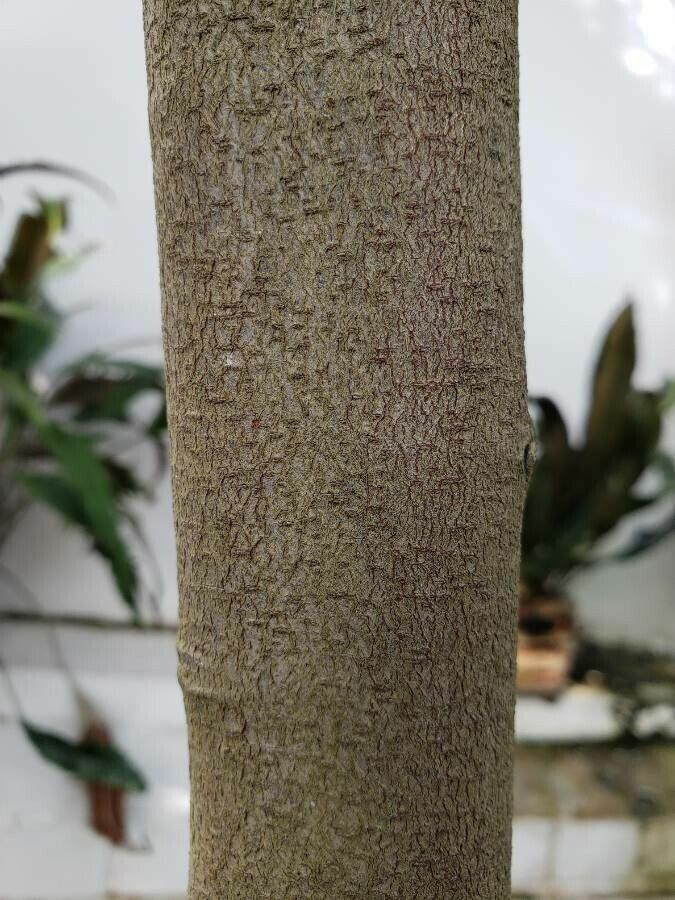
Hello fellow plant lovers! I’m so excited to chat with you today about a truly special conifer: Dacrydium elatum, also known as the Fijian Fire Mountain Pine or the Asian Yew. Honestly, I’m a bit smitten with this tree. Its elegant, weeping form and delicate, almost fern-like foliage make it a stunning specimen in any garden. The way it cascades adds a touch of sophistication and natural beauty that’s hard to beat. Plus, growing your own from cuttings is incredibly satisfying. It’s a project that takes a little dedication, but the rewards are plentiful. For beginners, I’d say Dacrydium elatum is a moderate challenge – not impossible, but it does require a bit of attention to detail.
The Best Time to Start
When it comes to getting the best results with Dacrydium elatum, timing is key. I’ve found that the sweet spot is late spring to early summer, after the main flush of new growth has started to harden off a bit. You’re looking for semi-hardwood cuttings. These are those wonderfully flexible but no longer fully soft shoots that have a bit of a woody feel to them. They usually snap cleanly when bent, rather than just wilting. This stage offers a good balance of vigor and the ability to root.
Supplies You’ll Need
Before we get our hands dirty, let’s gather our essential tools. Think of this as packing your gardening toolkit for an adventure!
- Sharp Pruning Shears or a Knife: Clean cuts are crucial to avoid disease.
- Rooting Hormone: A good quality rooting powder or gel is a must. It really gives those cuttings a boost.
- Propagating Medium: I like a well-draining mix of equal parts perlite and peat moss, or a coarse sand and peat blend. Good aeration is vital.
- Small Pots or Trays: Clean pots are important to prevent any lingering nasties.
- Plastic Bags or a Propagation Dome: This creates that humid environment cuttings crave.
- Watering Can with a Fine Rose: Gentle watering prevents disturbance.
- Labels: Don’t forget to label your cuttings! You’ll thank yourself later.
- Optional: Heat Mat: A gentle boost of warmth from underneath can significantly speed up rooting.
Propagation Methods: Stem Cuttings
For Dacrydium elatum, the most reliable method I’ve found is taking stem cuttings. It’s straightforward once you know the drill.
- Select Your Cuttings: Choose healthy, vigorous stems that are about 4-6 inches long. Look for those semi-hardwood ones I mentioned. Remove any lower foliage that might sit below the soil line.
- Prepare the Cuttings: At the base of each cutting, make a clean cut just below a leaf node (where the leaves attach to the stem). This is where the magic of root formation often begins.
- Apply Rooting Hormone: Dip the cut end into your rooting hormone, tapping off any excess. Make sure the end is well-coated.
- Plant Your Cuttings: Fill your pots with your chosen propagating medium, moisten it slightly, and then gently insert the cuttings, about 1-2 inches deep. Press the medium firmly around the base to ensure good contact.
- Create a Humid Environment: Water gently after planting. Then, cover the pots with a plastic bag, supported by stakes so it doesn’t touch the foliage, or place them under a propagation dome. Position them in a bright, indirect light location.
The “Secret Sauce” (Pro Tips)
Now, for a few little nuggets of wisdom that have helped me over the years. These aren’t in any textbook, but they make a world of difference!
- Sterilize Everything: Before you start, give your pruning shears and pots a good scrub with rubbing alcohol. This is your first line of defense against fungal diseases.
- Bottom Heat is Your Friend: If you can invest in a small heat mat, do it! A consistent gentle warmth (around 70-75°F or 21-24°C) from below can dramatically improve rooting success for many plants, including our Dacrydium elatum.
- Air Circulation is Key: While humidity is vital, stagnant air can breed problems. Try to ventilate your propagation tent or bag daily for a few minutes. This helps prevent fungal growth and strengthens the developing roots.
Aftercare & Troubleshooting
Once your cuttings are nestled in their new cozy, humid homes, stay patient! It can take several weeks, sometimes even months, for roots to develop. You can gently tug on a cutting after about 6-8 weeks to see if there’s resistance – that’s a good sign of root formation.
When you see those tiny white roots peeking out from the drainage holes or feel that resistance, it’s time for a slight change in care. Gradually acclimate your new plants to slightly lower humidity by opening up the bag or dome a bit more each day over a week. Continue to keep them in bright, indirect light and water when the top inch of soil feels dry.
The biggest issue you might encounter is rot. This usually happens from overwatering or poor drainage, and it looks like the cutting turning mushy and dark. If you see this, unfortunately, it’s time to discard that cutting, and re-evaluate your watering habits and soil mix. Damp, not soaking wet, is the goal.
A Little Encouragement to Finish
Propagating Dacrydium elatum is a journey, not a race. There will be moments of anticipation, and sometimes, a little disappointment. But the joy of seeing new life emerge from a simple cutting is unparalleled. Be patient with yourself and with your plants. Enjoy the process, learn from each step, and soon you’ll have the satisfaction of nurturing these beautiful trees from scratch. Happy gardening!
Resource: