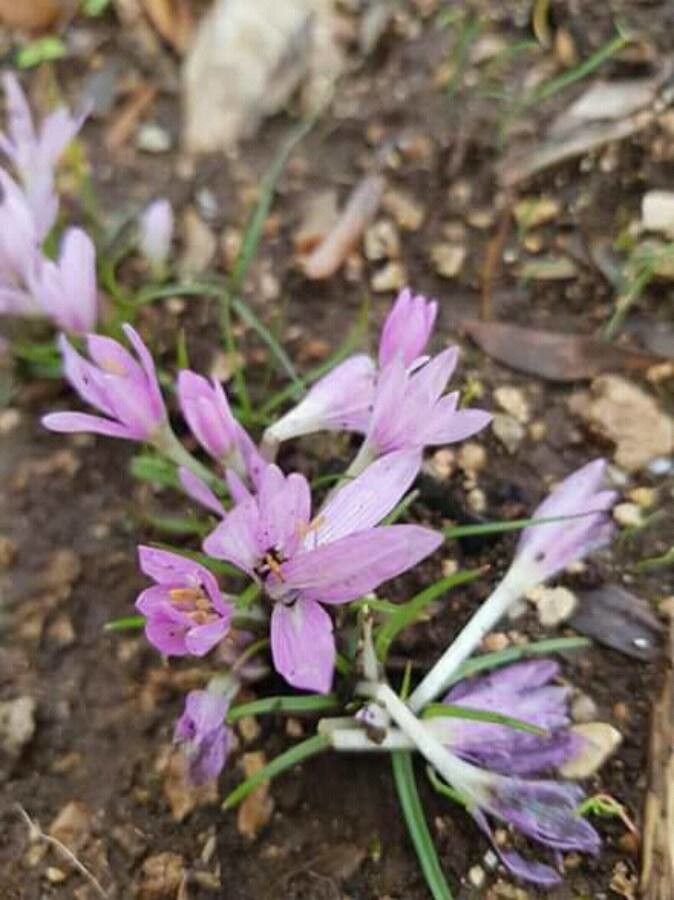
Oh, hello there! Come on in, let’s grab a cup of coffee and chat about one of my absolute favorite fall bloomers, Colchicum hierosolymitanum. These beauties, often called autumn crocuses (though they’re not true crocuses!), pop up with such surprising vibrancy when the rest of the garden is winding down. Their delicate, goblet-shaped flowers in shades of rose-pink to lilac are truly a sight for sore eyes. Propagating them, while maybe not an everyday gardening task, is incredibly rewarding. It allows you to multiply those pops of fall color for years to come, and honestly, it’s not as tricky as you might think. While some might call it a bit more involved, I find it quite achievable with a little care and attention.
The Best Time to Start
For Colchicum hierosolymitanum, the sweet spot for propagation is after the foliage has died back completely, usually in late spring or early summer. This is when the dormant corms are resting and are least stressed. Trying to divide them when they’re actively growing or putting on their amazing fall show would be like asking someone to run a marathon right after a big meal – not ideal! Waiting until they’ve finished their growing cycle means you’re working with happy, well-rested plant material.
Supplies You’ll Need
To get your Colchicum hierosolymitanum propagation off to a blooming start, gather these essentials:
- Sharp, clean knife or small trowel: For dividing the corms. Sterilize it with rubbing alcohol between cuts to prevent disease.
- Well-draining potting mix: A good blend for bulbs or corms is key. I like to use a mix of peat moss, perlite, and compost. Avoid anything too heavy that holds excess moisture.
- Small pots or trays: Clean, with drainage holes! Terracotta pots are nice because they breathe, but plastic works well too.
- Optional: Rooting hormone powder: While not strictly necessary for Colchicum, it can sometimes give a little boost.
- Watering can or mister: For gentle watering.
Propagation Methods: Division is Key!
The most straightforward and successful method for propagating Colchicum hierosolymitanum is division. These plants grow from corms, which are essentially underground storage organs. Over time, these corms multiply, and dividing them is like giving each little baby corm its own space to grow and thrive.
Here’s how I do it:
- Excavate Gently: Once the foliage has completely yellowed and withered, it’s time to dig. Carefully dig around the clump of corms with your trowel or knife, going a good few inches out from the base to avoid damaging them. Lift the entire clump out of the ground.
- Clean Off the Soil: Gently brush or rinse away the excess soil from the corms. You’ll likely see the main parent corm with smaller offsets attached.
- Separate the Corms: This is where your sharp, clean knife comes in. Carefully cut or twist apart the offsets from the parent corm. If an offset is large enough and has a bit of a basal plate (the bottom where roots emerge), it has a good chance of growing. Don’t worry if you break off a few tiny ones; focus on the substantial ones.
- Inspect and Discard: Take a moment to look at each corm. Discard any that are soft, mushy, or show signs of rot or disease. Healthy corms should be firm and plump.
- Prepare the Pots: Fill your clean pots with your well-draining potting mix.
- Plant Your Corms: Plant each divided corm about 2-3 inches deep, depending on its size. The crucial point is to plant them with the pointed end facing upwards. They naturally know which way is up! If you’re using rooting hormone, dip the basal plate (the bottom) of the corm into it before planting.
- Water Lightly: Give them a gentle watering to settle the soil.
- Find a Resting Spot: Place the potted corms in a cool, dry, and dark location to rest for a few weeks. Think of a shed, garage, or even under a bench. They don’t need light at this stage; they’re recovering from their division.
The “Secret Sauce” (Pro Tips)
Now, a couple of little tricks I’ve learned over the years that really make a difference:
- Don’t Rip, Slice: When you’re dividing those corms, resist the urge to yank them apart. Use your knife to make clean cuts. This minimizes damage to the delicate tissues and reduces the chance of infection. A clean cut heals better!
- Think of Them Like Sleeping Babies: After planting your divisions, it’s tempting to peek constantly. But honestly, leave them alone to rest in that dark, cool spot for at least a month. They need undisturbed recovery time before they’re ready to start thinking about putting out roots.
Aftercare & Troubleshooting
Once you’ve given them that initial resting period, or when you see the first signs of growth (a tiny sprout emerging), it’s time to move them.
- Bring into Light: Gradually introduce the pots to a location with bright, indirect light. As the foliage starts to emerge, they can take more direct sun, but keep an eye on them, especially in the heat of summer.
- Water When Needed: Water thoroughly when the top inch of soil feels dry. Avoid letting them sit in soggy conditions. Good drainage is your best friend here.
- Watch for Rot: The biggest culprit for corm failure is rot. If you notice a corm turning mushy and dark, it’s likely succumbed to rot. This is usually due to too much moisture and poor drainage. If you catch it early on a pot, you can try removing the affected corm and letting the others dry out a bit more.
- Patience is a Virtue: Remember, these are going to bloom in the fall. So, after you’ve planted them in early summer, you’ll have a period of waiting. Don’t panic if nothing happens immediately! They are often quite low-maintenance during this period, just needing their water.
And there you have it! Propagating your Colchicum hierosolymitanum is a journey of patience and observation. Each new corm you nurture is a promise of future blooms, a little piece of autumn magic you’ve created yourself. Enjoy the process, and I can’t wait for you to see those gorgeous flowers appear in your garden later this year! Happy gardening!
Resource:
https://identify.plantnet.org/k-world-flora/species/Colchicum%20hierosolymitanum%20Feinbrun/data