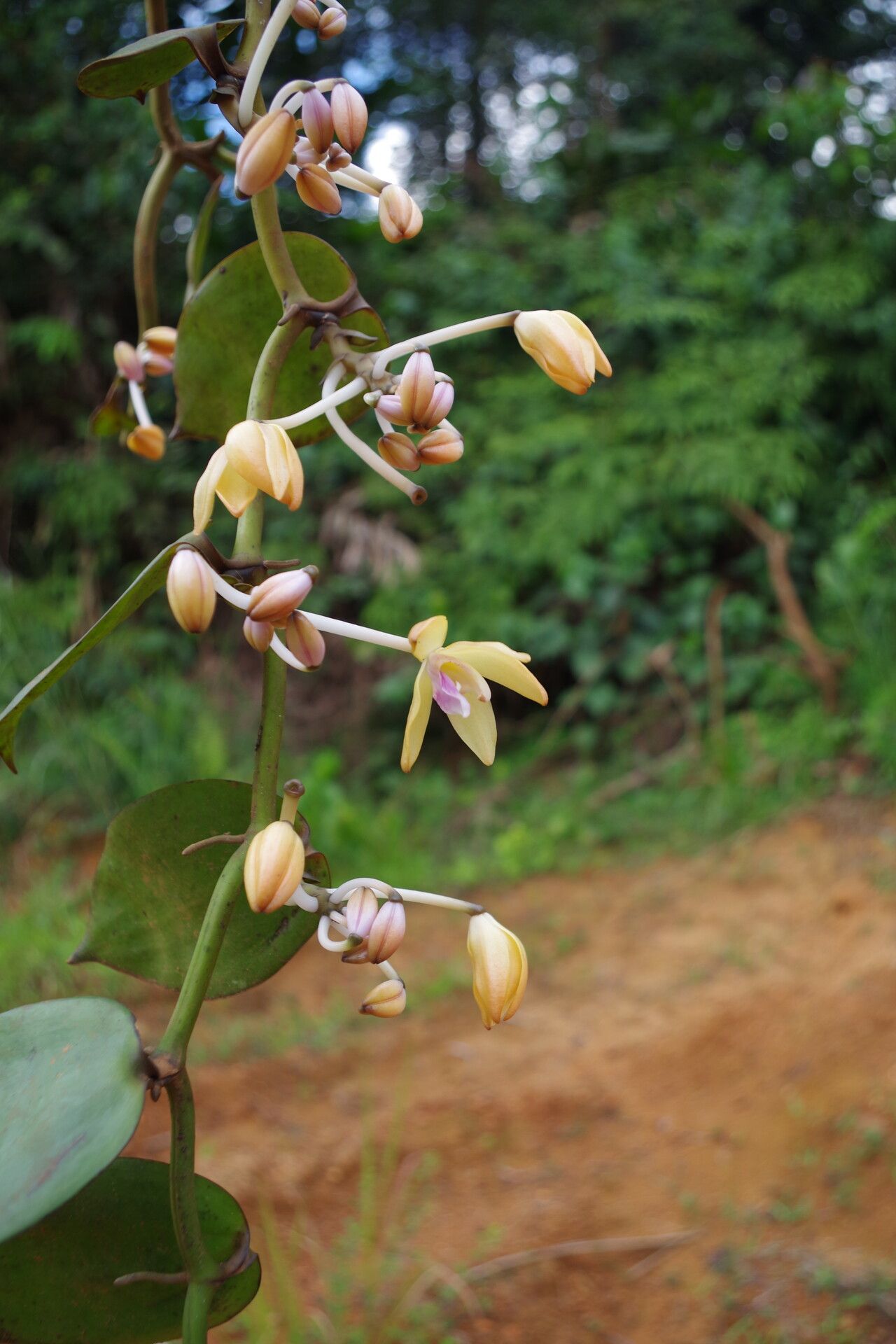
Oh, hello there! Come on in, grab a mug. I’m so excited to chat with you about Vanilla africana. If you’re anything like me, the allure of a lush, tropical vine with its promise of beautiful blooms and, yes, even vanilla pods, is simply irresistible. Propagating this beauty is a wonderfully rewarding journey, and honestly, while it has its quirks, it’s not out of reach for most gardeners willing to give it a little love and attention. Think of it as a rewarding puzzle!
The Best Time to Start
When it comes to getting new Vanilla africana plants going, spring and early summer are your golden ticket. This is when the plant is actively growing and has the most energy to dedicate to forming roots. You’re looking for healthy, vigorous stems that are at least pencil thickness. Avoid taking cuttings from old, woody growth or from stems that are flowering or fruiting – they’re simply too busy with their own important work!
Supplies You’ll Need
Before we dive in, let’s gather our bits and bobs. Having everything ready makes the whole process so much smoother:
- Sharp, clean pruning shears or a sharp knife: Essential for making clean cuts to prevent disease.
- Rooting hormone (optional, but recommended): A little boost can make all the difference. I prefer the powder form, but gel works too.
- A well-draining potting mix: A good blend for me is equal parts coco coir, perlite, and a little bit of orchid bark. This mimics their natural epiphytic environment.
- Small pots or propagation trays: Terracotta pots are nice because they breathe, but plastic works too.
- Clear plastic bags or a propagation dome: To create a humid microclimate.
- Watering can with a fine rose: For gentle watering.
- Patience! (This is the most important ingredient, really.)
Propagation Methods
Now for the exciting part! Vanilla africana is most commonly propagated by stem cuttings. Let’s walk through how I do it:
1. Selecting and Cutting Your Stem:
Find a healthy stem that’s at least 6-12 inches long. Look for a section that has at least two to three nodes (those are the little bumps where leaves grow). Using your sterile shears, make a clean cut just below a node. This is where roots are most likely to form.
2. Preparing the Cutting:
Gently remove any lower leaves, as these can rot when buried or submerged. You want to leave at least one or two healthy leaves at the top. If your leaves are very large, I sometimes carefully cut them in half horizontally to reduce water loss through transpiration.
3. Dipping in Rooting Hormone (Optional):
If you’re using rooting hormone, dip the cut end of the stem into the powder or gel. Tap off any excess. This really helps to kickstart the rooting process.
4. Planting Your Cuttings:
Prepare your pots with your well-draining mix. Make a small hole with your finger or a pencil. Gently insert the cut end of the stem into the hole, ensuring at least one node is buried beneath the soil surface. Firm the soil gently around the cutting.
5. Creating a Humid Environment:
This is crucial! Water the soil thoroughly but gently, allowing excess water to drain away. Now, cover the pot with a clear plastic bag or place it under a propagation dome. This traps humidity, which is vital for the cuttings while they are trying to root. You can also use stakes to keep the plastic from touching the leaves directly.
6. Water Propagation (An Alternative):
Some gardeners have success with water propagation. Simply place the prepared stem cutting in a jar of clean water, making sure no leaves are submerged. Change the water every few days to keep it fresh. Once you see small roots developing, you can then pot your cutting into soil.
The “Secret Sauce” (Pro Tips)
Here are a few tricks I’ve learned over the years that really boost my success rate:
- Bottom Heat is Your Friend: If you have the means, placing your pots on a gentle heat mat can dramatically speed up root formation. Vanilla plants love warmth, and a little bottom heat mimics that cozy jungle floor environment.
- Don’t Overwater, But Keep it Consistently Moist: This is a fine balance. Your cuttings need moisture to root, but soggy soil is a fast track to rot. I check my cuttings every couple of days. The soil should feel uniformly moist but not waterlogged. If the bag is letting too much moisture escape, gently mist the inside of the bag to increase humidity.
- Patience with the Node: Remember that one node buried in the soil? That’s often where the magic happens. Don’t be tempted to dig it up too soon to check for roots. It can take several weeks to a couple of months for a robust root system to develop.
Aftercare & Troubleshooting
Once you start to see new growth peeking out – a new leaf or a tiny vine – that’s a fantastic sign that roots have formed! At this point, you
Resource:
https://identify.plantnet.org/k-world-flora/species/Vanilla%20africana%20Lindl./data