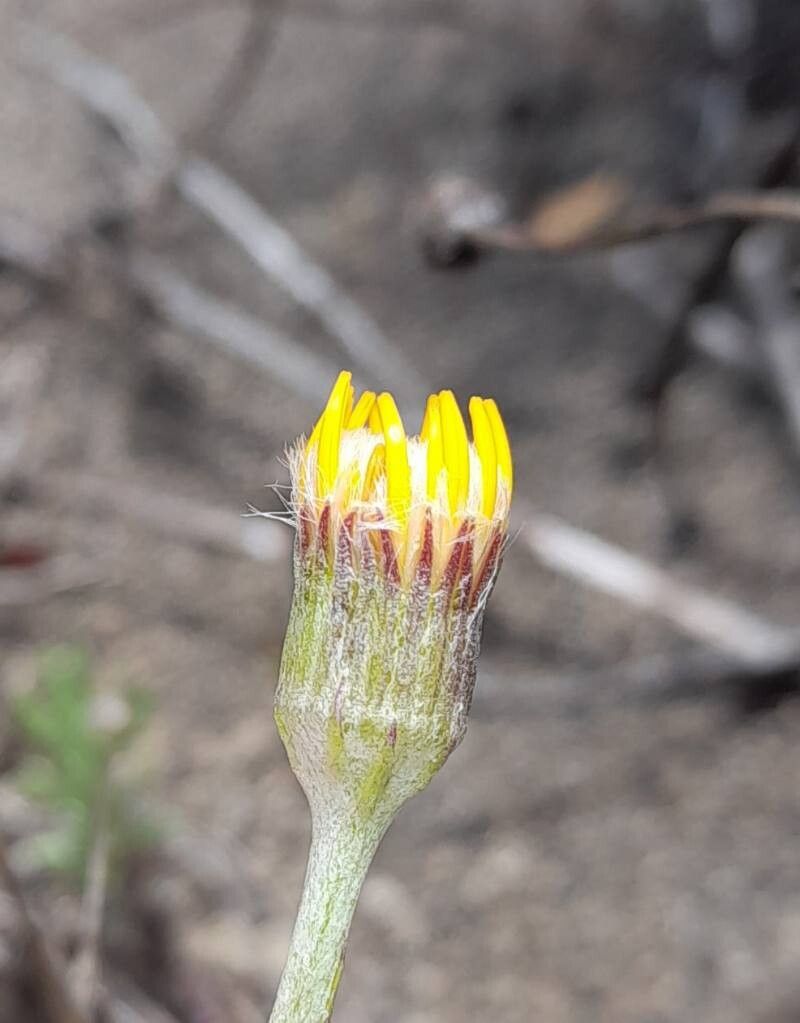
Hey there, fellow plant enthusiasts! I’m so excited to chat with you today about a plant that has really captured my heart over the years: Senecio chilensis. You know, those wonderful, leafy beauties that can add such a lush, almost wild feel to your space. Growing them from scratch is incredibly rewarding, and guess what? It’s surprisingly easy, even if you’re just starting your plant journey. I’ve always found such joy in coaxing new life from a single stem, and I think you will too.
The Best Time to Start
For the happiest, most successful propagation of Senecio chilensis, aim for spring or early summer. This is when the plant is really hitting its stride, producing lots of new, vigorous growth. The warmer temperatures and longer daylight hours give those cuttings a real boost to establish themselves. Avoid trying when it’s too cold or the plant is dormant; you’ll likely have much lower success rates.
Supplies You’ll Need
Gathering your supplies before you begin makes the whole process smooth sailing. Here’s what I always have on hand:
- Sharp Pruning Shears or a Clean Knife: For making clean cuts, which helps prevent disease.
- Well-Draining Potting Mix: A cactus and succulent mix or a blend of potting soil, perlite, and sand works beautifully.
- Small Pots or Seed Starting Trays: Whatever you prefer to start your new babies in.
- Rooting Hormone (Optional but Recommended): This can give your cuttings an extra push to form roots faster.
- Watering Can with a Fine Rose or Spray Bottle: For gentle watering.
- Clear Plastic Bag or Propagator Lid: To create a humid environment for your cuttings.
Propagation Methods
Senecio chilensis is a generous plant when it comes to propagation. Here are my favorite ways to share its beauty:
1. Stem Cuttings (The Most Common & Easiest)
This is my go-to method, and it’s incredibly reliable.
- Take Your Cuttings: Using your sharp shears, snip off sections of stem 4-6 inches long. Look for healthy, actively growing stems. You can even take cuttings with a few leaves already attached.
- Let Them Callus: This is crucial! Before you plant anything, let the cut ends of your stems dry out and form a callus for 24-48 hours in a dry, airy spot. This prevents rot when they hit the soil.
- Apply Rooting Hormone (Optional): If you’re using rooting hormone, dip the callused end into the powder or gel. Just a light coating is fine.
- Plant Your Cuttings: Stick the callused end of each cutting about 1-2 inches deep into your prepared potting mix. Gently firm the soil around it.
- Create a Humid Environment: Water the soil lightly until it’s just moist, not soggy. Then, cover the pot with a clear plastic bag or a propagator lid. This traps moisture and humidity around the cuttings, mimicking their natural environment and encouraging root development. Place it in bright, indirect light.
2. Water Propagation (For the Patient Observer)
This method is so satisfying because you can actually see the roots forming!
- Prepare Your Cuttings: Follow the same steps as above for taking and callusing your cuttings.
- Place in Water: Put the callused ends of your cuttings into a jar or glass of clean water. Make sure no leaves are submerged in the water, as this will cause them to rot. Only the stem should be in contact with the water.
- Change the Water Regularly: Change the water every few days to keep it fresh and prevent bacterial growth.
- Provide Bright, Indirect Light: Place the jar in a spot with bright, indirect sunlight. You’ll start to see tiny white roots emerge from the cut end within a few weeks.
- Pot Up When Roots are Established: Once the roots are about an inch long, you can carefully transplant them into your well-draining potting mix. Water gently and treat them like your newly potted stem cuttings.
The “Secret Sauce” (Pro Tips)
Here are a couple of little tricks that have made a big difference for me:
- Don’t Over-Water (Especially After Planting): This is the number one killer of cuttings. Senecio chilensis prefers to dry out slightly between waterings, even when rooting. Soggy soil is a fast track to rot.
- Bottom Heat Can Be Your Best Friend: If you have a seedling heat mat, placing your pots on it can really speed up the rooting process. It provides consistent, gentle warmth to the root zone, which is incredibly beneficial during propagation.
Aftercare & Troubleshooting
Once you see those lovely new roots emerging (or they have successfully potted up), you’re on your way! Continue to water sparingly, letting the soil dry out somewhat between waterings. Gradually acclimate your new plants to more direct light if they were kept in a shaded spot.
The most common problem you’ll encounter is rot. If a cutting turns black and mushy, it’s likely rotted. This usually happens from over-watering or a lack of callusing. Just remove the affected cutting and check the moisture levels of your others. If leaves start to yellow and drop, it could be a sign of too much or too little water, or perhaps not enough light.
A Encouraging Closing
Propagating Senecio chilensis is such a satisfying journey. It might take a little patience, but watching those tiny roots form and new leaves unfurl is a truly special experience. Don’t be discouraged if a few don’t make it; it’s all part of the learning process. So grab your shears, get your hands dirty, and enjoy bringing more of this beautiful plant into your life! Happy growing!
Resource:
https://identify.plantnet.org/k-world-flora/species/Senecio%20chilensis%20Less./data