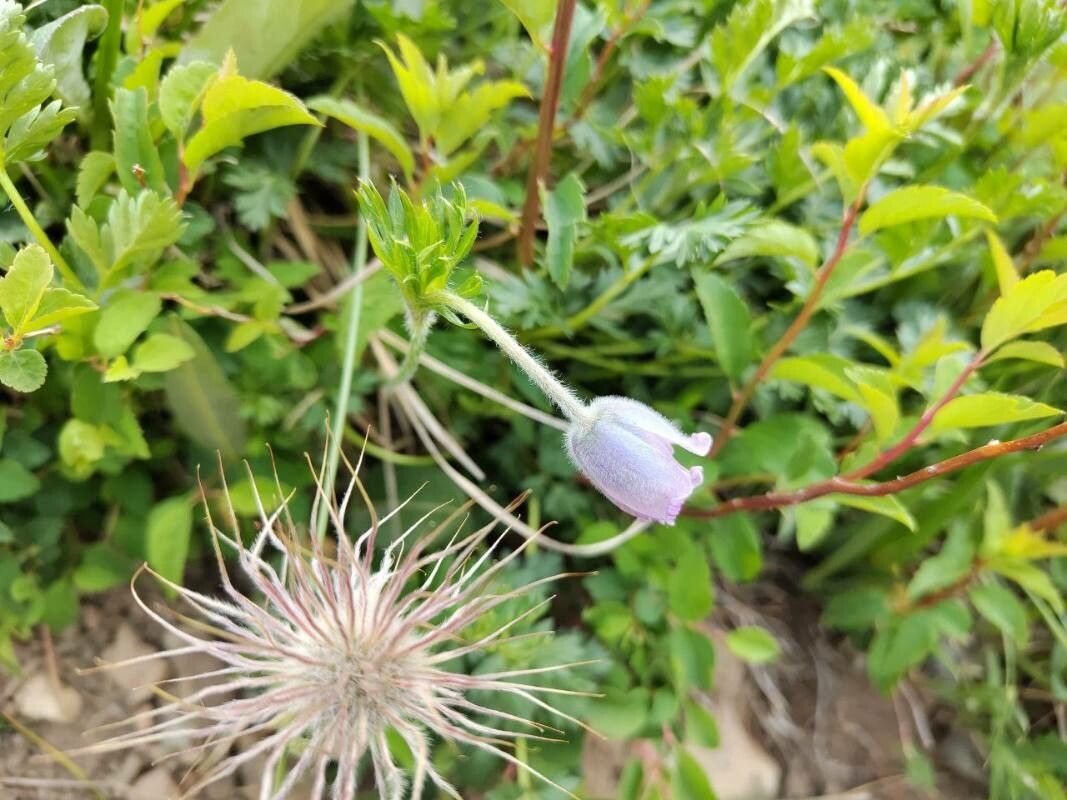
Hello, fellow garden enthusiasts! Today, we’re diving into the delightful world of Pulsatilla dahurica, often called the Pasqueflower. These fuzzy beauties unfurl their nodding, bell-shaped flowers in early spring, bringing a splash of vibrant color when our gardens are just waking up. Plus, their silvery foliage and feathery seed heads carry on the charm throughout the season. Propagating them yourself is incredibly satisfying. For newcomers to propagation, I’d say Pulsatilla dahurica is moderately easy – a good project to get your toes wet!
The Best Time to Start
When it comes to these lovely ladies, late spring to early summer, after they’ve finished their spectacular floral show, is your golden window. This is when the plant has plenty of energy reserves, making it more receptive to yielding successful new plants. You can also try collecting seeds as soon as they mature, usually by mid-summer.
Supplies You’ll Need
To get your propagation station ready, gather these essentials:
- Seed-starting mix: A light, well-draining mix is crucial. I often use a blend of peat moss, perlite, and a bit of fine compost.
- Small pots or seed trays: Clean, with drainage holes!
- Sharp, clean pruning shears or a sharp knife: For taking cuttings and dividing.
- Rooting hormone (optional but helpful): Especially for stem cuttings.
- Watering can with a fine rose: For gentle watering.
- Plastic bags or a propagation dome: To maintain humidity.
- Labels: To keep track of your new plant babies!
- Sand or fine gravel: For mixing into the soil or a top dressing.
Propagation Methods
Pulsatilla dahurica can be propagated through seeds or division. Stem cuttings aren’t as common or generally successful for this particular plant, so let’s focus on the winning methods.
1. From Seed:
This is often the most satisfying way to multiply your Pasqueflowers.
- Collect Seeds: Once your flowers have faded and the seed heads have developed their fluffy tails, carefully collect the ripe seeds. You’ll want to aim for seeds that are no longer fuzzy and seem plump.
- Sow Immediately: Pulsatilla seeds often have a higher germination rate when sown fresh. Fill your pots or trays with your prepared seed-starting mix.
- Sow the Seeds: Scatter the seeds thinly across the surface. Gently press them into the soil – you don’t need to bury them deeply, just ensure they have good contact with the medium. A light dusting of sand on top is a good idea to deter damping off.
- Water Gently: Mist the soil surface lightly with your watering can. The key is moist but not soggy.
- Provide Cool Germination: Place the pots in a cool, bright location. Stratification (a period of cold) can improve germination, so if you’re sowing in late summer, leaving them outdoors in a protected spot where they’ll experience fall and winter temperatures is beneficial. If you’re sowing indoors, you can mimic this by placing them in the refrigerator for a few weeks.
- Be Patient: Germination can be a bit of a waiting game, often taking several weeks to a few months. Keep the soil consistently moist.
2. By Division:
If you already have a mature, established clump of Pulsatilla, division is a fantastic way to get more plants and also rejuvenate the parent.
- Timing is Key: The best time for division is early spring, just as new growth is emerging, or in early autumn.
- Prepare the Area: Gently loosen the soil around the base of the plant.
- Dig Carefully: Using a trowel or spade, carefully dig up the entire clump. Try to disturb the roots as little as possible.
- Separate the Divisions: Gently separate the root ball into smaller sections. You want each division to have a good amount of healthy roots and some new shoots. You can use your hands for this, or a clean, sharp knife if the roots are tough.
- Replant Immediately: Prepare new planting spots with good, free-draining soil. Replant the divisions at the same depth they were previously growing.
- Water Thoroughly: Water each new plant well to settle the soil around the roots.
The “Secret Sauce” (Pro Tips)
- Don’t Overcrowd Seeds: When sowing from seed, it’s tempting to pack them in, but give them space to breathe. Too much crowding leads to competition for resources and makes the seedlings more susceptible to diseases. A good tip is to sow seeds thinly and then thin any overly dense patches once they’ve germinated.
- Sand is Your Friend: For Pulsatilla, especially when starting from seed, a top dressing of coarse sand or fine gravel is a lifesaver. It helps to keep the crown of the plant dry and prevents fungal issues like damping off.
- Embrace the Dormancy: If your seed germination is slow, resist the urge to constantly fuss. Pulsatilla seeds can be a bit quirky. Letting them experience natural cycles of moisture and dryness, and even cold can sometimes be the trick to getting them to sprout.
Aftercare & Troubleshooting
Once your seeds have germinated or your divisions have been replanted, the real nurturing begins.
- Keep it Moist: For seedlings, maintain consistent moisture. If you’re using a propagation dome or plastic bag, monitor humidity. Ventilate daily to prevent mold and fungal growth.
- Introduce Gradually: Once your seedlings have developed a few true leaves, it’s time to start hardening them off. This means gradually exposing them to outdoor conditions over a week or two before planting them in their final spot.
- Watering Divisions: Keep your newly divided plants well-watered for the first few weeks until they establish themselves.
- Watch for Rot: The most common sign of trouble is rot, which usually appears as wilting, yellowing leaves, or a mushy base. This is almost always due to overwatering or poor drainage. If you see this, reduce watering immediately and ensure good airflow. Sometimes, damaged roots from division can also lead to issues, so clean tools are vital.
Happy Propagating!
Propagating Pulsatilla dahurica is a wonderful way to expand your garden and share these charming plants with friends. It takes a little patience, a keen eye, and a willingness to experiment, but the reward of seeing those delicate flowers bloom from your own efforts is absolutely worth it. So, grab your supplies, embrace the process, and enjoy the journey of growing your own Pasqueflowers! Happy gardening!
Resource: