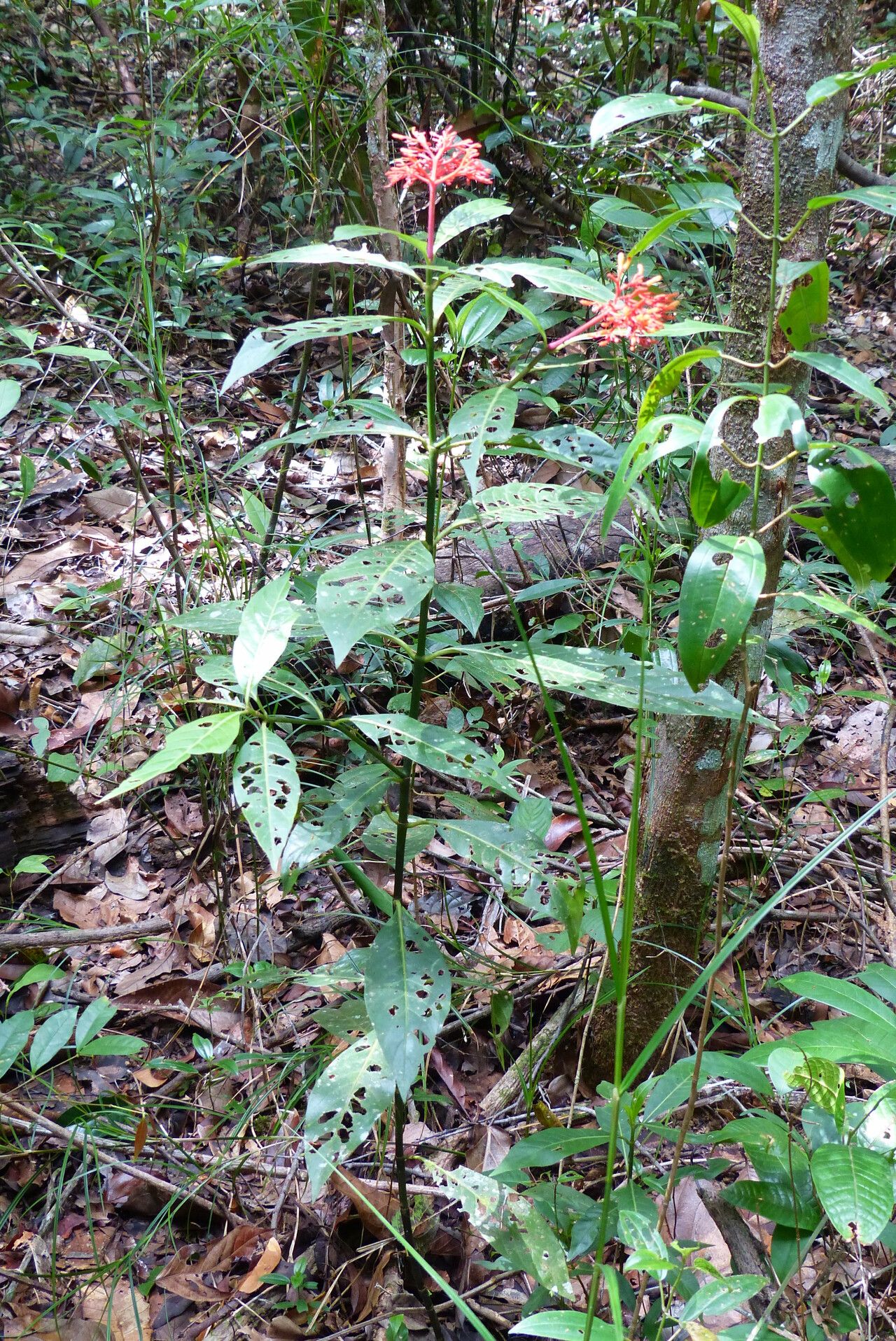
Oh, Palicourea guianensis! If you’ve ever swooned over those vibrant, usually orange or red, tubular flowers that seem to glow against lush green foliage, you’re not alone. This beauty, often called the Scarlet Flame or Blood Trumpet, is a real showstopper in any tropical or subtropical garden. And the joy of coaxing a brand new plant from an existing one? It’s incredibly rewarding. Now, I won’t lie, Palicourea can be a little fussy compared to your average succulent, but with a few key tricks, it’s absolutely achievable for enthusiastic gardeners. Don’t let that deter you!
The Best Time to Start
Timing is everything, my friends. For Palicourea guianensis, I’ve found the sweet spot is during its active growing season. Think late spring or early summer. When the plant is really pushing out new growth, it has the energy reserves to dedicate to developing roots. Avoid trying to propagate when the plant is stressed, perhaps from extreme heat or cold, or just finishing up a flush of blooms. You want it feeling robust and ready to party!
Supplies You’ll Need
Here’s what you’ll want to have on hand before you dive in:
- Sharp pruning shears or a clean knife: Essential for making clean cuts.
- Rooting hormone powder or gel: This is your secret weapon for encouraging root development.
- Well-draining potting mix: I like a blend of perlite, peat moss, and a bit of coco coir. Think airy!
- Small pots or trays: Clean ones, of course.
- Plastic bags or a clear propagation dome: To create a humid environment.
- Watering can with a fine rose: For gentle watering.
- Optional: Heat mat: Bottom heat can make a big difference.
Propagation Methods
Let’s get our hands dirty! For Palicourea, stem cuttings are my go-to method.
- Select Your Cuttings: Look for healthy, semi-hardwood stems. These are stems that are not brand new and floppy but also not old and woody. They should be firm but still have a little give. Aim for cuttings that are about 4-6 inches long, with at least two to three sets of leaves.
- Make the Cut: Using your clean shears or knife, make a clean cut just below a leaf node. A leaf node is where a leaf attaches to the stem. This is where much of the magic happens in terms of root formation.
- Prepare the Cutting: Gently remove the lower leaves, leaving just one or two sets at the very top. If the leaves are large, you can even cut them in half horizontally to reduce water loss through transpiration.
- Apply Rooting Hormone: Dip the cut end of the stem into your rooting hormone. Make sure it’s coated well, then gently tap off any excess.
- Plant Your Cuttings: Fill your clean pots or trays with your well-draining potting mix. Make a small hole in the center with your finger or a pencil, and insert the cutting. Gently firm the soil around the stem. Make sure none of the leaves are touching the soil surface.
- Create Humidity: Water the potting mix thoroughly but gently. Then, cover the pot with a plastic bag (supported by stakes so it doesn’t touch the leaves) or place it under a propagation dome. This traps moisture and keeps the humidity high, which is crucial for cuttings.
The “Secret Sauce” (Pro Tips)
Here are a couple of my tried-and-true tricks for Palicourea:
- Don’t let the leaves touch the water: If you’re doing a variation of water propagation (though I find soil more reliable here), ensure that only the stem is submerged. Any leaves in the water are a prime spot for rot to set in.
- Bottom heat is a game-changer: Especially if your home is on the cooler side, placing your pots on a gentle heat mat can significantly speed up root development. It mimics the warmth of a greenhouse floor and encourages those roots to explore.
- Patience with plumpness: Sometimes before you see roots, the stem will feel a little firmer and plumper. This is often a sign that roots are forming, even if they haven’t broken through the surface of the soil yet. Resist the urge to pull them up too soon!
Aftercare & Troubleshooting
Once you see those first tiny roots pushing through the drainage holes or new leaf growth appearing at the top, congratulations! It’s time to start transitioning your new baby.
- Acclimatize Slowly: Gradually remove the plastic bag or open the propagation dome for increasing periods each day. You want to let the plant adjust to lower humidity.
- Watering: Keep the soil consistently moist but not waterlogged. Overwatering is one of the biggest culprits of failure.
- Light: Provide bright, indirect light. Avoid harsh, direct sunlight, which can scorch tender new growth.
- Signs of Trouble:
- Yellowing leaves that drop quickly after being potted often indicate too much water and potential rot.
- A stem that feels mushy or black at the base is another sign of rot, usually from overwatering or contaminated soil. Discard these cuttings.
- If the stem wilts and stays wilted even after watering, and there’s no sign of rot, it might be that the cutting simply didn’t take. Don’t be discouraged!
A Little Patience Goes a Long Way
Propagating Palicourea guianensis is a journey of observation and a bit of horticultural hope. Some cuttings will root faster than others, and some might not make it. That’s part of the gardening dance! Enjoy the process, learn from each attempt, and soon you’ll have more of these stunning Scarlet Flames to share or enjoy yourself. Happy propagating!
Resource:
https://identify.plantnet.org/k-world-flora/species/Palicourea%20guianensis%20Aubl./data